TH Pullan & Sons proof press test

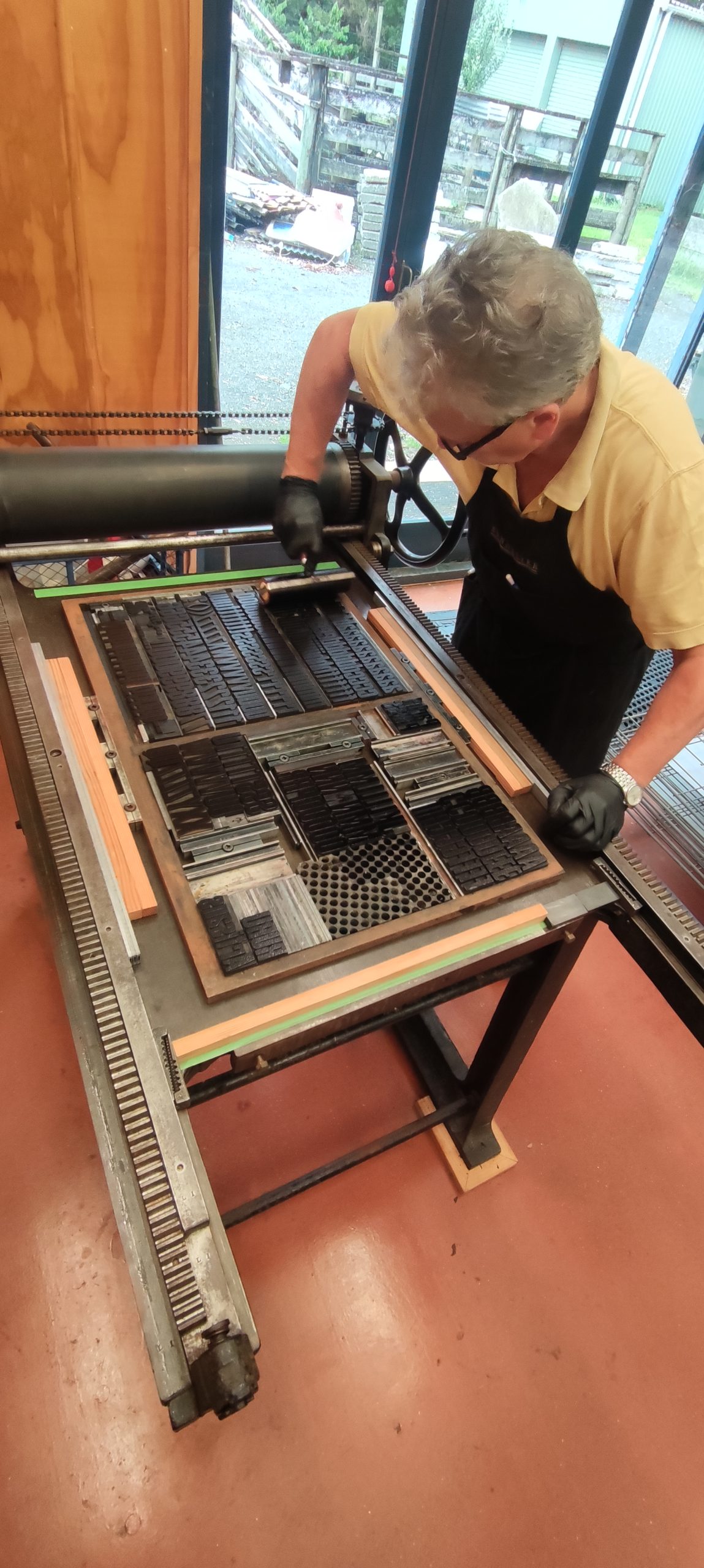
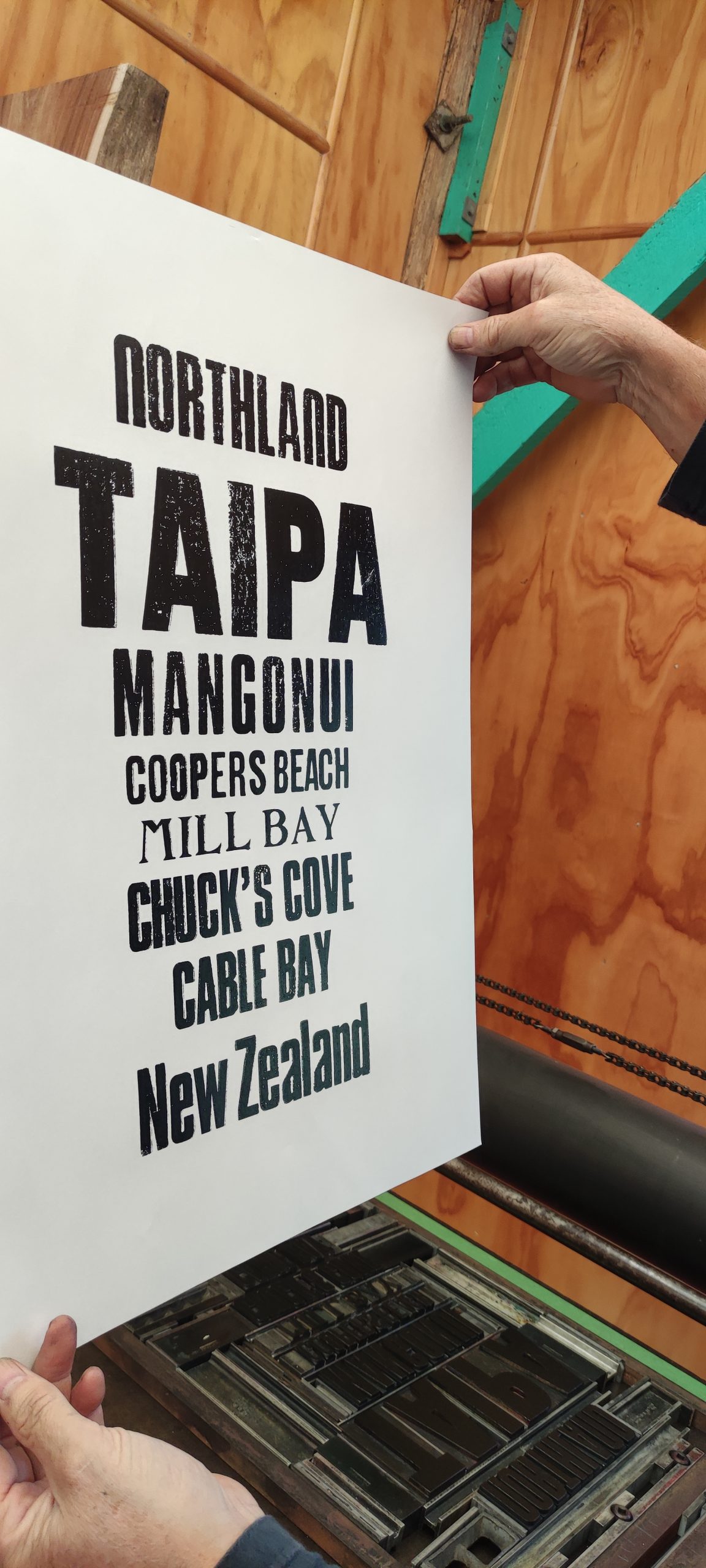
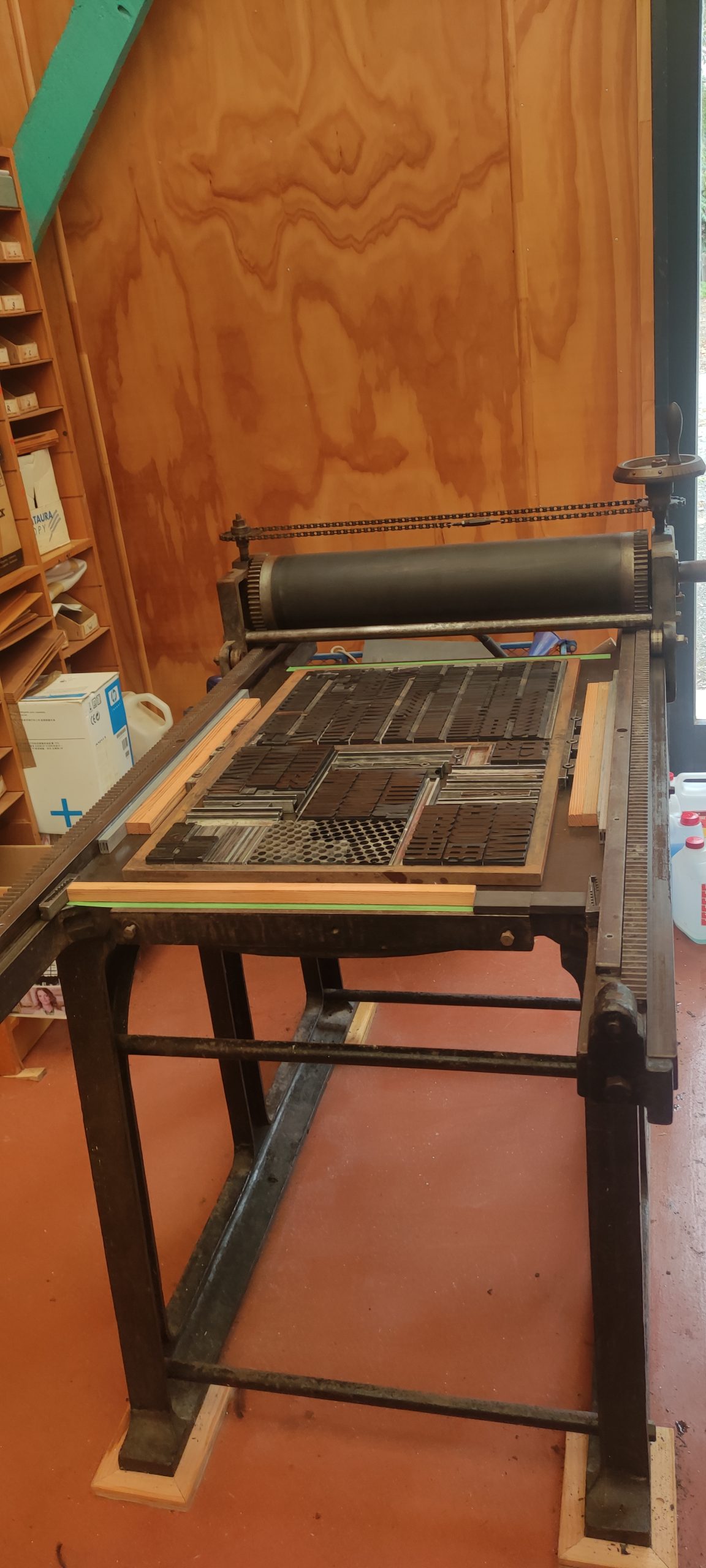
It is always exciting making something work that was destined for the scrap heap. In this post, we test the now operational Pullan proofing press.
IMG_20230425_082854

Previously on the TH Pullan & Sons

Read about how we got the Pullan here.

It’s a testing time

Having achieved a level of operational functionality with the Pullan, it is time for some test impressions. The required outcome is to determine what height requirements have to be set for printing, whether there are issues with the cylinder blanket (it is a bit scarred from misuse), and if there are impression differences across the length and breadth of the bed (for example, if the side runners are not level end to end and side to side).

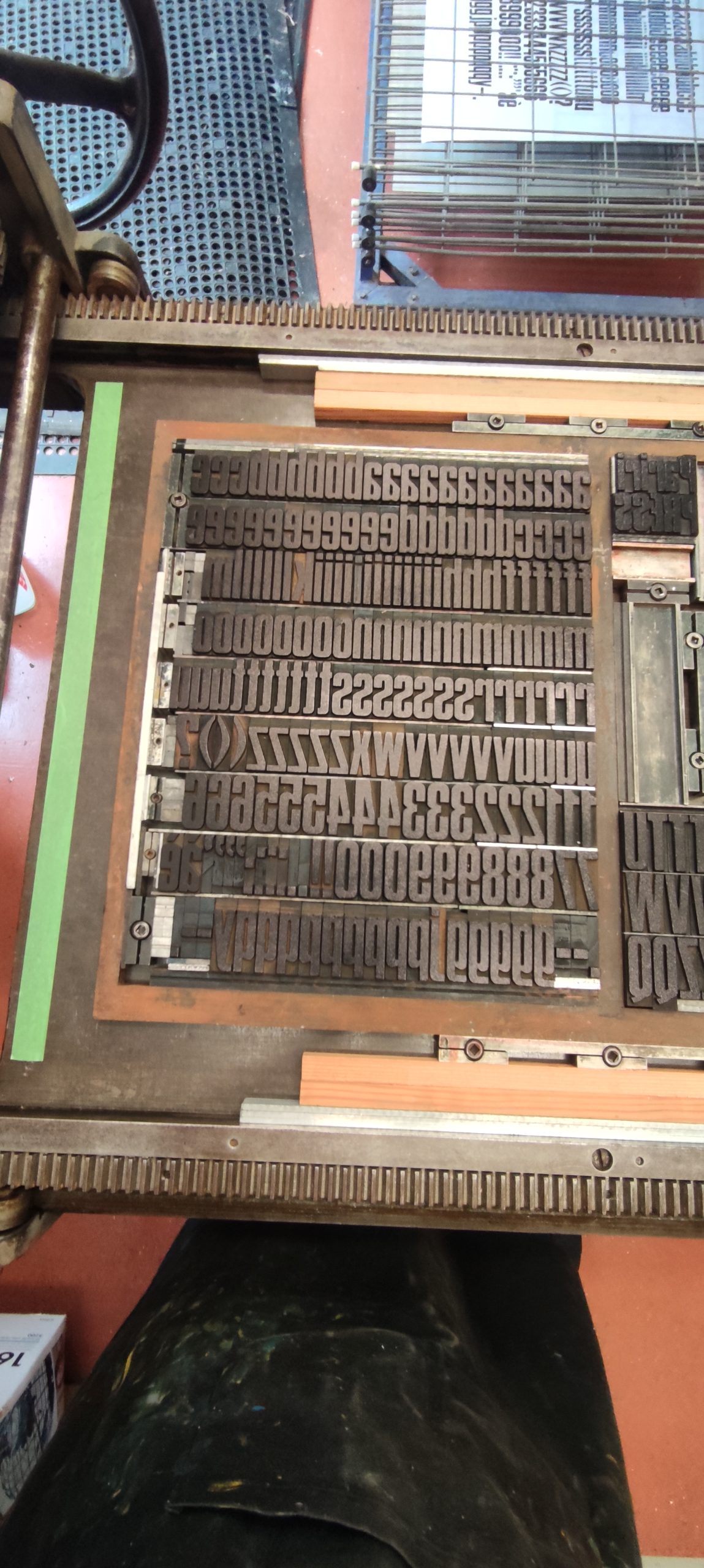
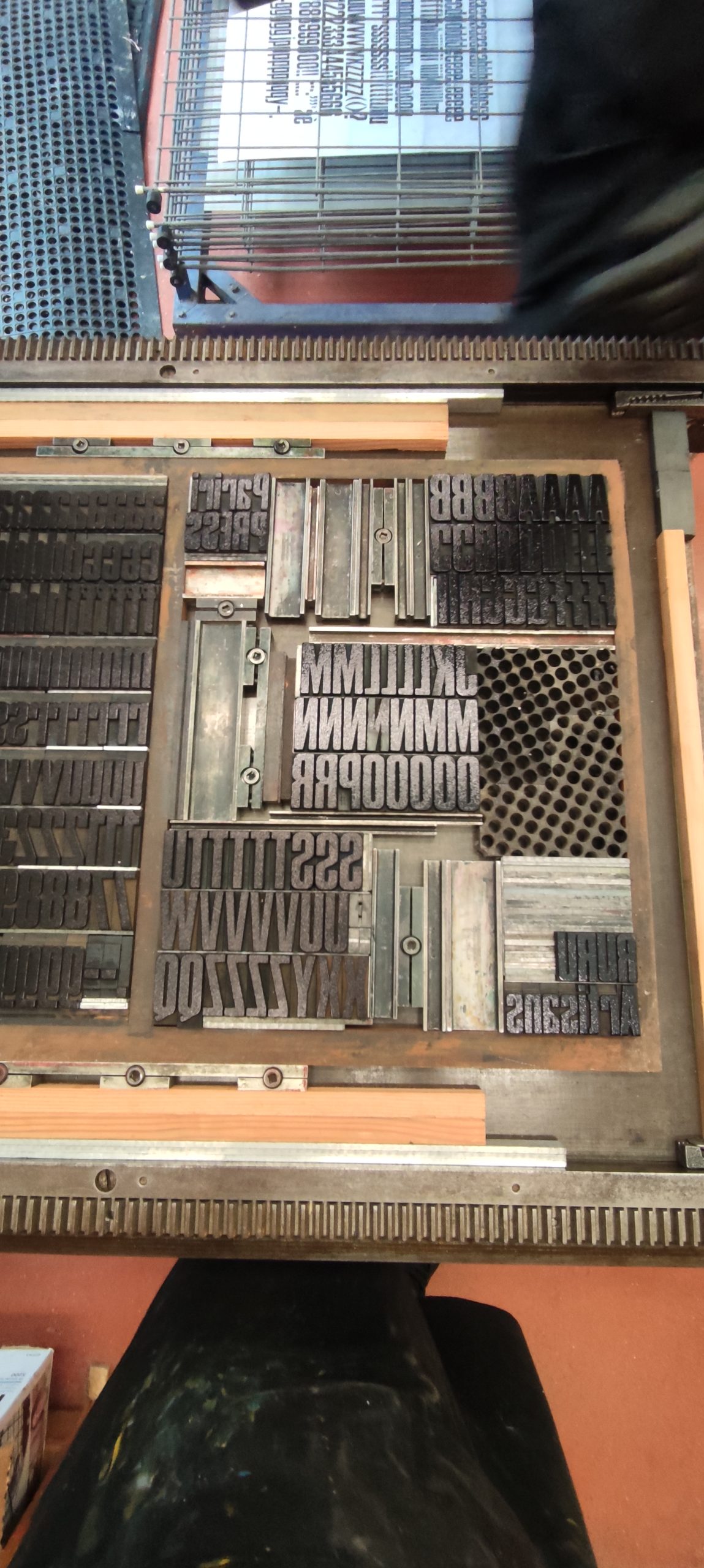
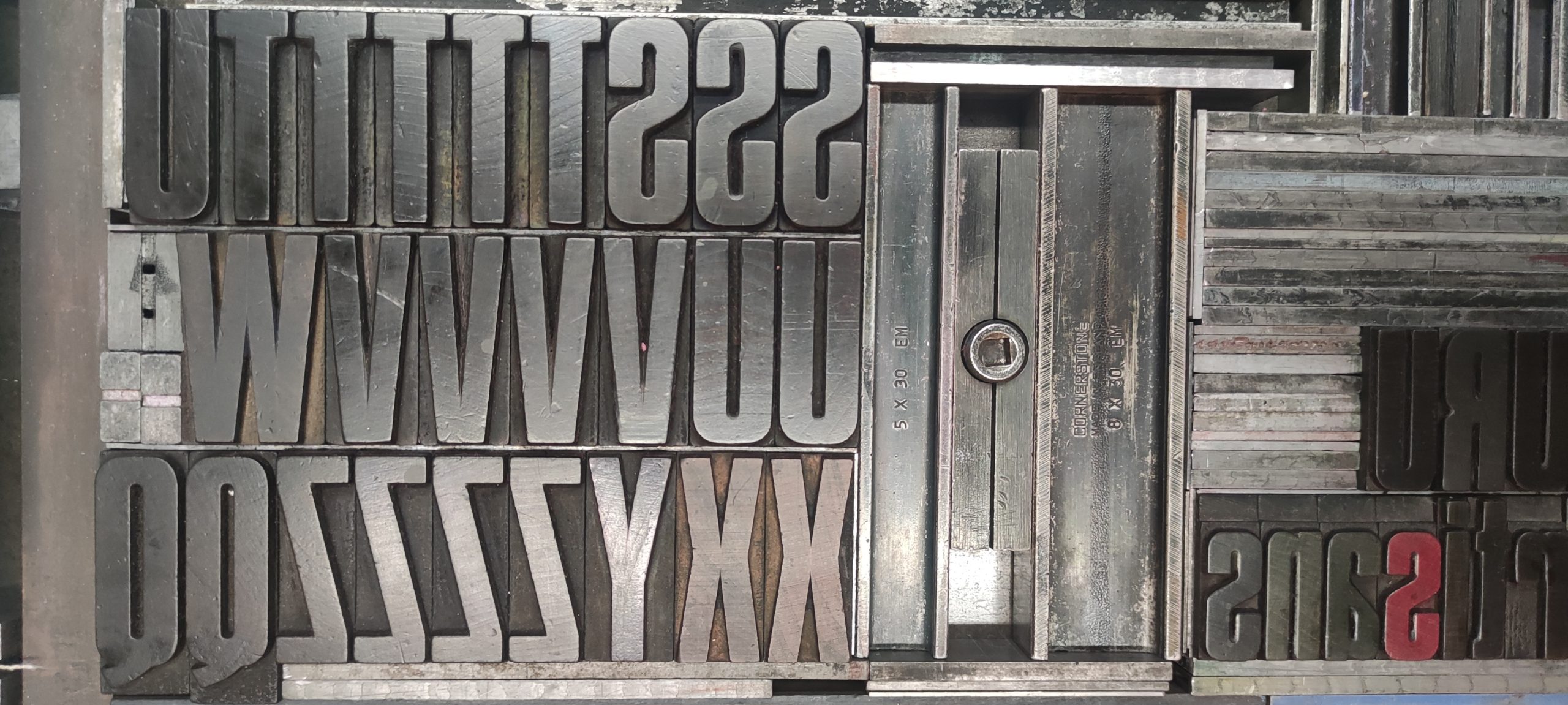
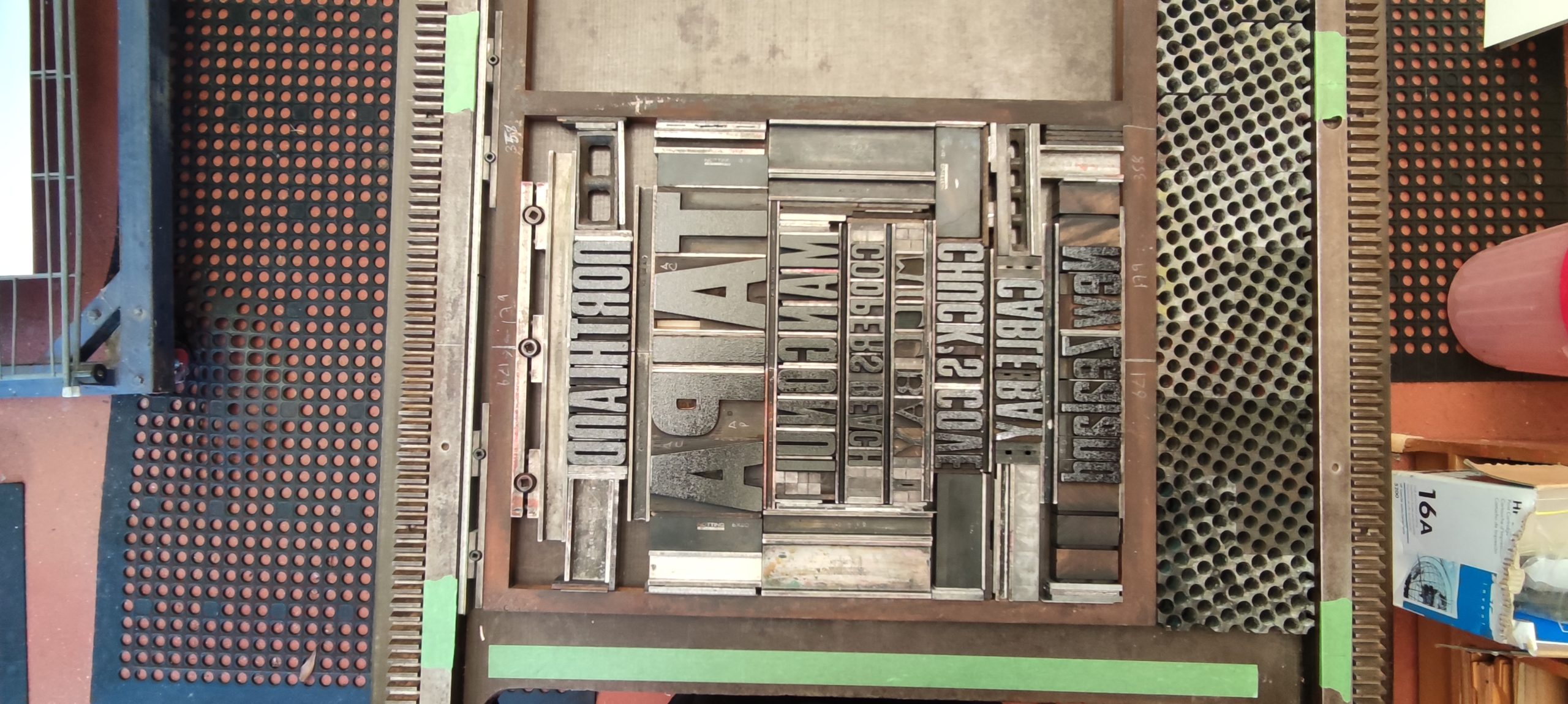
The assumed type high on the Pullan is 27mm and we have a range of wooden type sets with different type highs. The standard type high of 23.3mm isn’t a good fit, but we do have a set purchased from Italy (Vintage circa 1950’s) with a higher type high than standard, but some of the characters are damaged so not really usable. We used this instead.
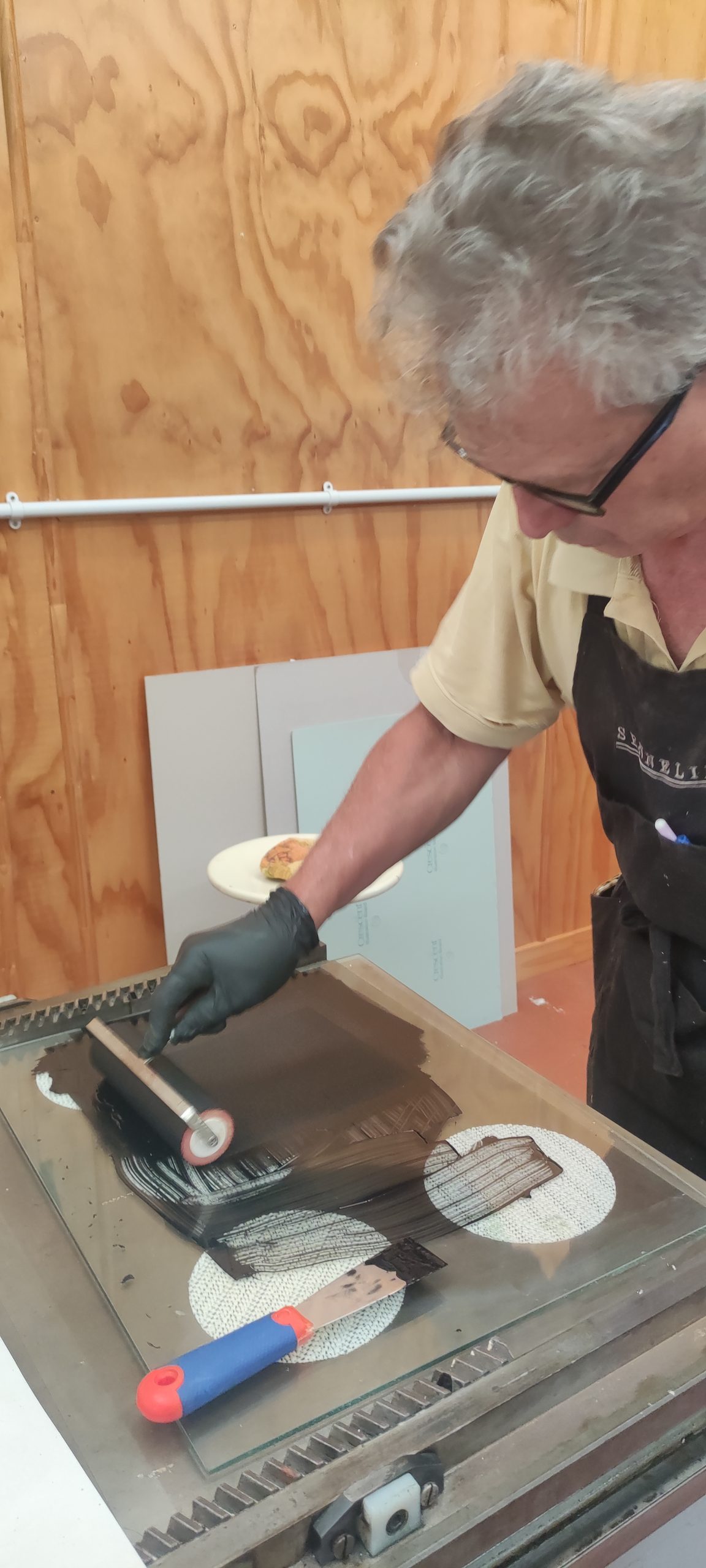
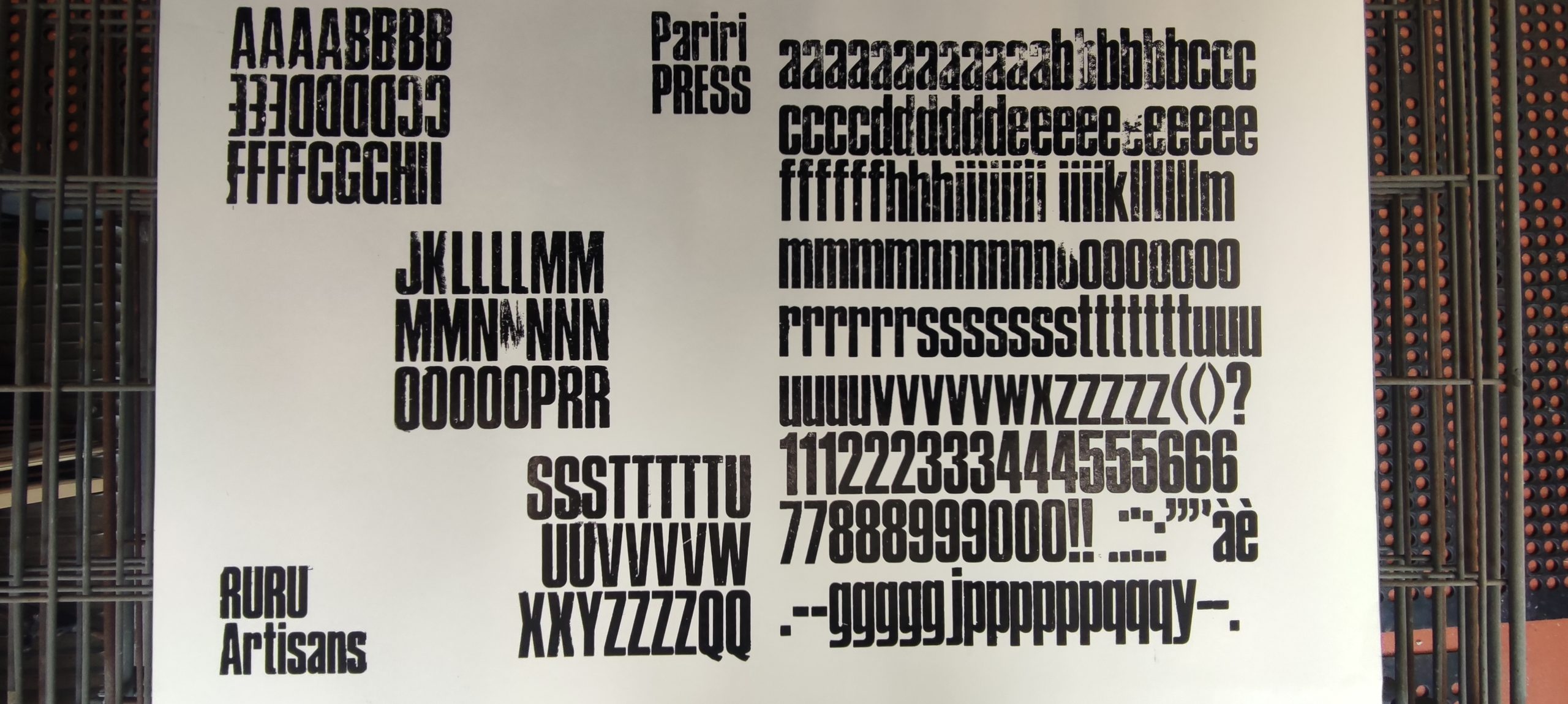
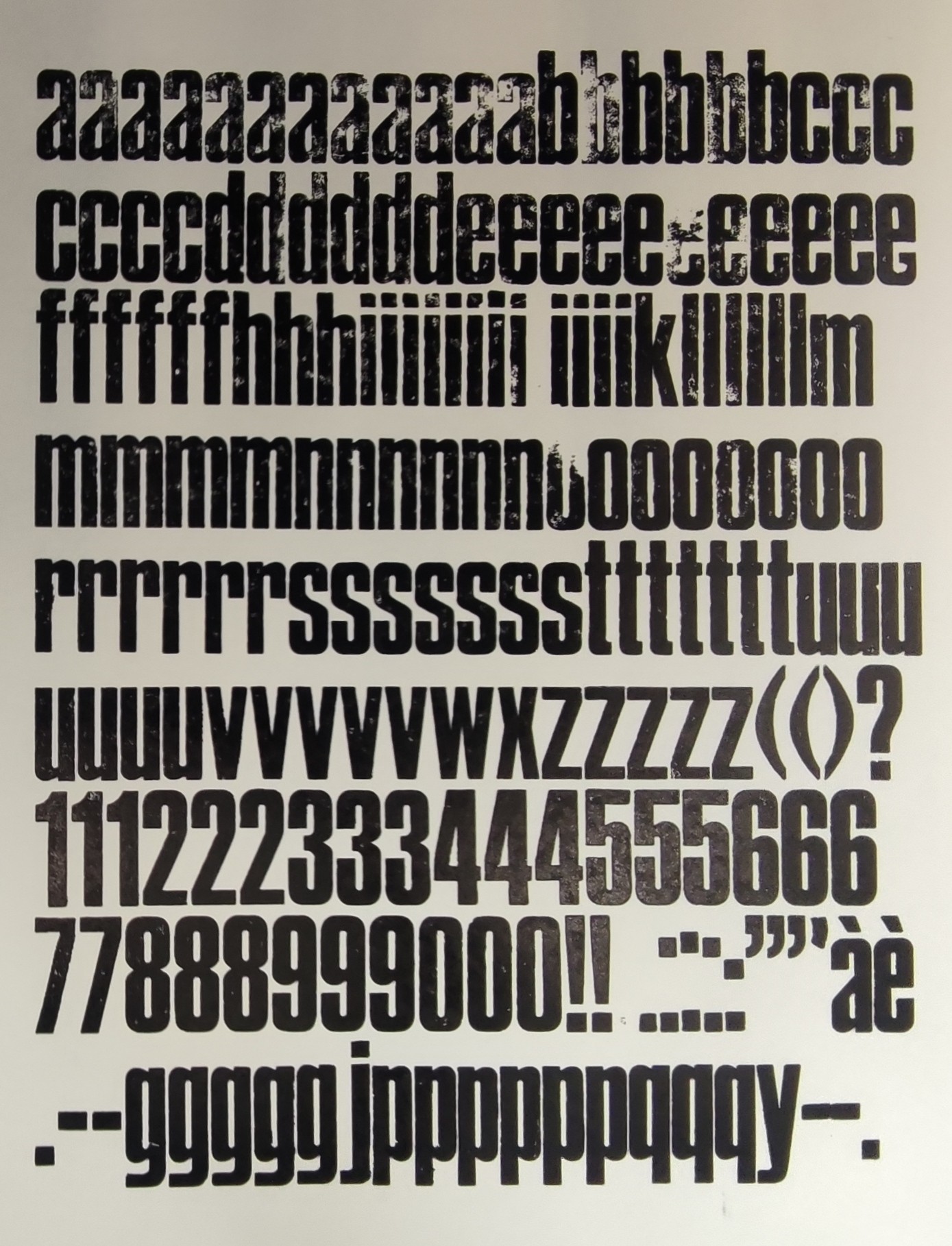
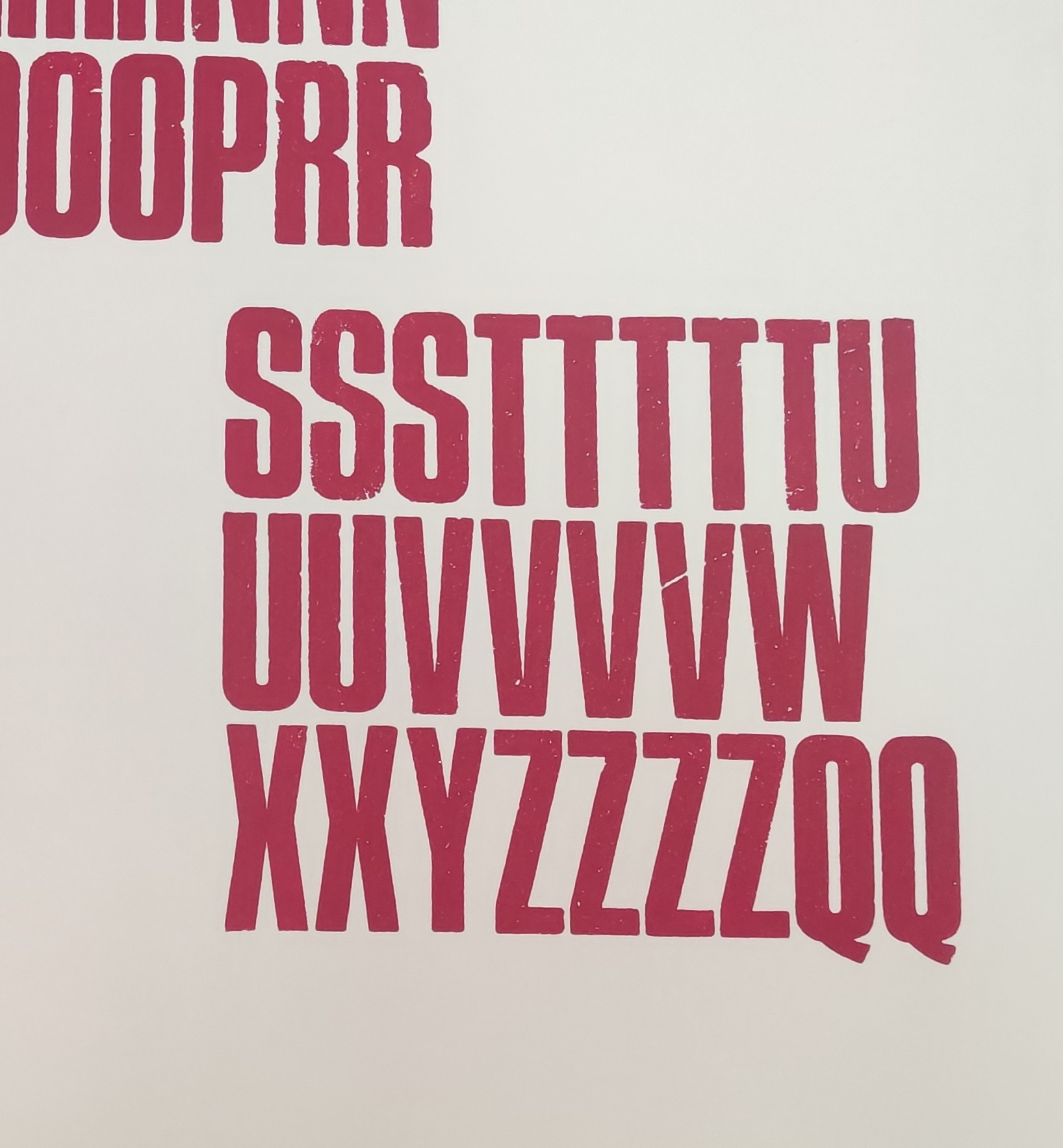
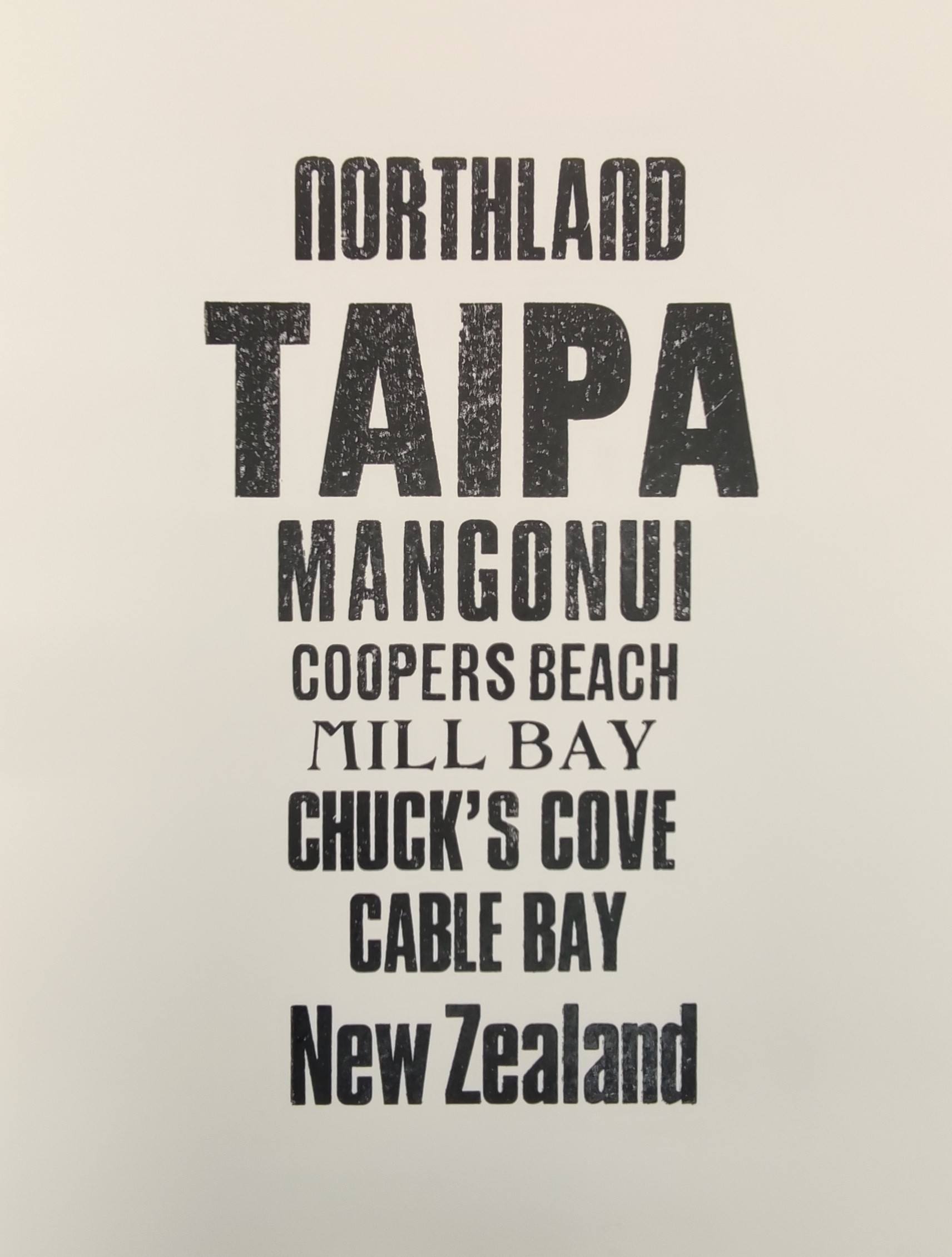
Initially, the test produced poor results until we figured out the best way to manage the cylinder height for clean impression. The images here show various marks which are actually from the type and not the press.

Refining the print process

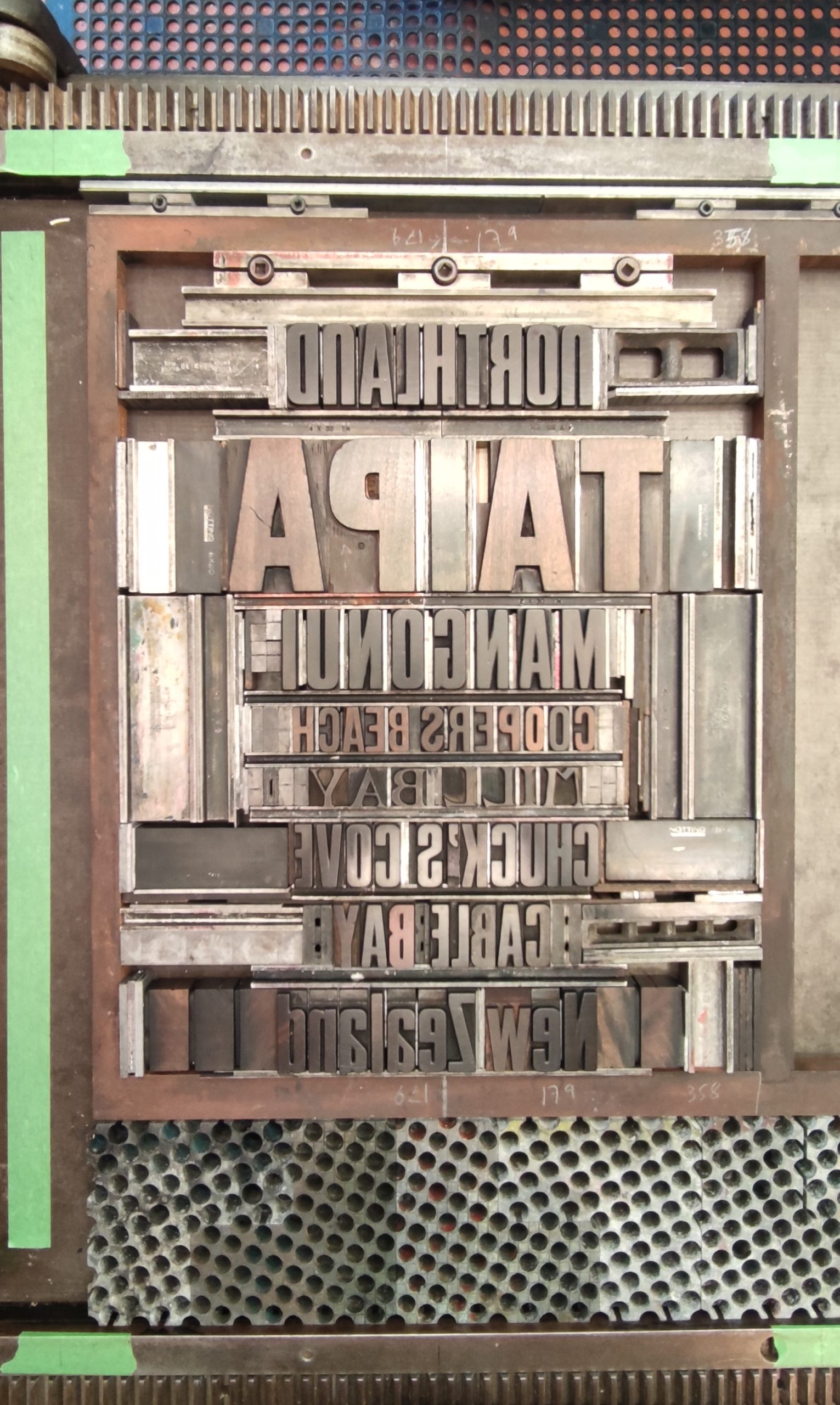
The arrangement of type on the bed for the initial tests provides a wide spread rather than having any specific meaning. Having successfully obtained acceptable impressions, the next task was to refine the settings and resolve some issues that emerged in the operation of the Pullan (like the fact that not only had paint been slathered all over the top and runners, but the truck bearings had been similarly mistreated).
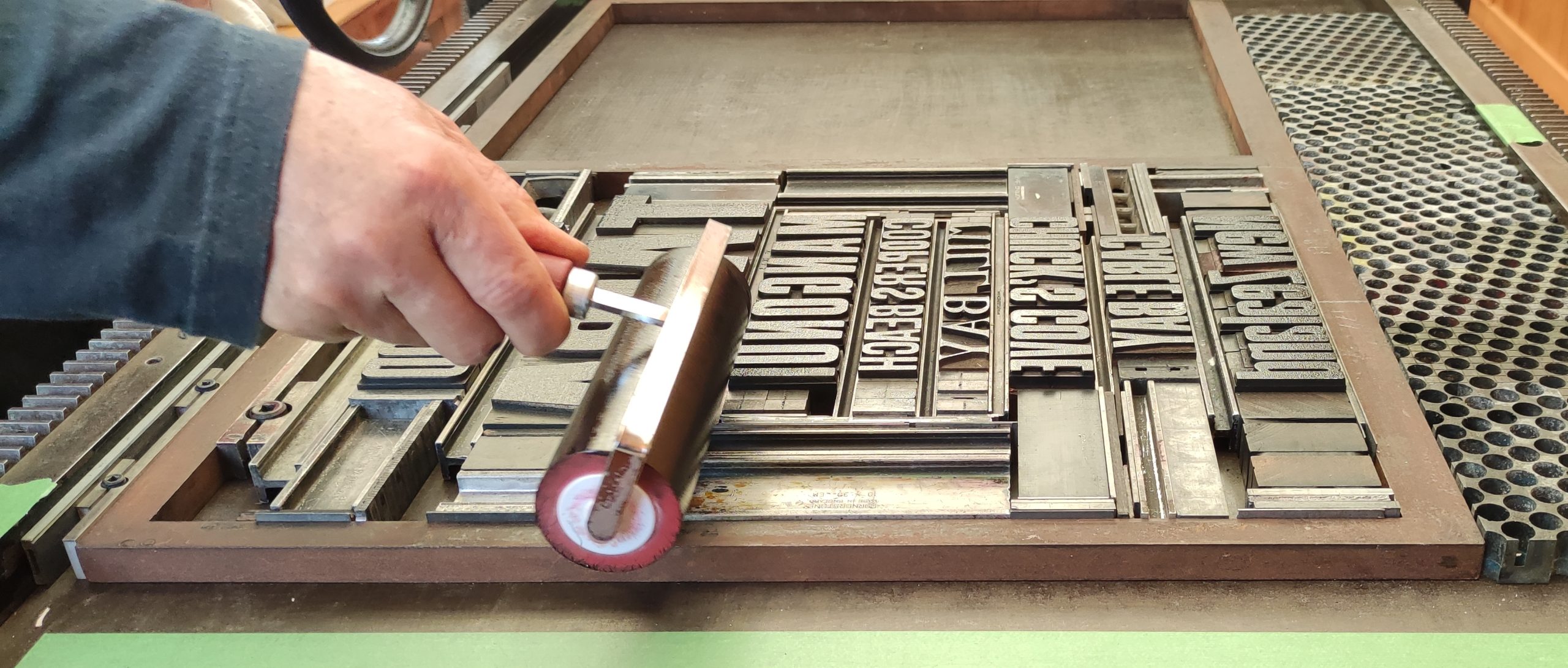
Happy with these outcomes, the next step has been to make the press for actual production by making stable and level backing boards for thin plates like nylo and engraved lino.
Share:

More Posts

9611-RA_DGF_BG_BKG

Printing the Summer Fennel series of prints on the Korrex

Printing of the limited print run of the Fennel series of prints on the Korrex Berlin Hand letterpress is a process we love. The press is a joy to work with and the results, on archive quality paper and colour fast inks will last the duration of time.
These prints are available now… well, while stocks last anyway.

Read More »
Creasing cards first colour

How we crease gift cards

We crease gift cards using the Squintani Model 5 treadle press. Each card is individually creased by hand and as you see in this short video, it is a quiet meditative process. Enjoy the video and take a little time out with the gentle roll, click, crunk of the treadle press.

Read More »
LTWEnounter4

Lighting the way

The series presents a historical narrative that traces early contact between representatives of the British Crown, clergy associated with Church Missionary Society (based in London, England), and Māori chiefs of the far north of Aotearoa New Zealand of the early 1800s. The encounters occur prior to the signing of the Treaty of Waitangi in 1840 and illustrate how an influential outcome of the early relationship between key participants was the development of a unique alphabet for the Māori language and the printing of religious texts in the Māori language.
The importance of these developments are presented against a backdrop in which communication between Māori and the first settlers, the whaling fleets traversing the Pacific, and the fledgling forestry industry, was strained by the lack of understanding of cultural protocols, hierarchy, and language.
While Māori orthography, Tikanga Māori, has been recorded by various individuals, this paper focuses on the relationship between Rev. Thomas Kendall, and Arikinui (high chiefs) Te Morenga and Waikato of Taiamai/Ngā Puhi. These leaders were future focused and undertook to establish the pathway for the first hand written and printed texts for Māori, in their own language.

Read More »

Send Us A Message