Posters – Letterpress, Digital and Laser technology
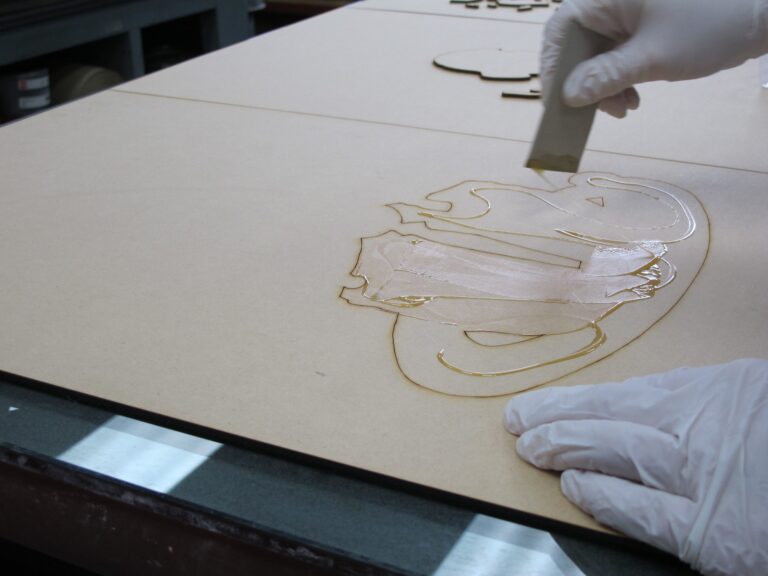
We love old and new technologies and experimenting with a mix of design and printing methods, with digital and laser technology. So we take advantage

We love old and new technologies and experimenting with a mix of design and printing methods, with digital and laser technology. So we take advantage
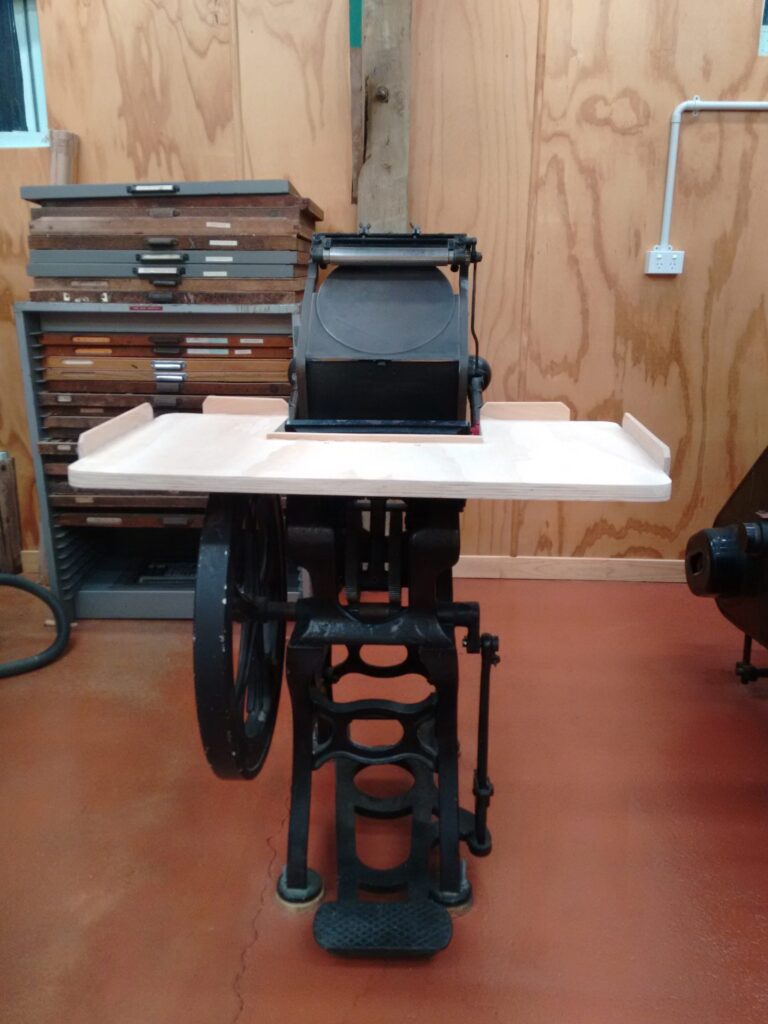
There is something meditatively satisfying when manually treadling a small letterpress, feeding in and removing individual sheets.
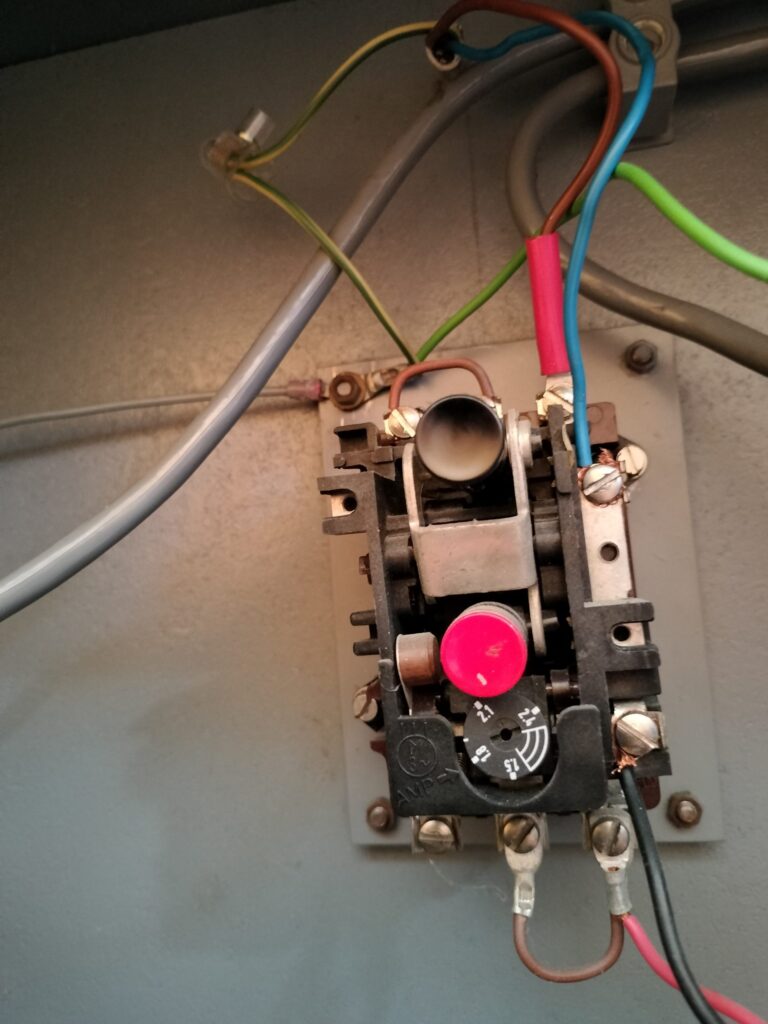
As any who run an older machine of any kind, there are challenges in keep them operational. So it was when we were about to start printing the Fennel series that instead of the satisfying whir of the inking drum motor, there was a single ominous click, then … nothing.
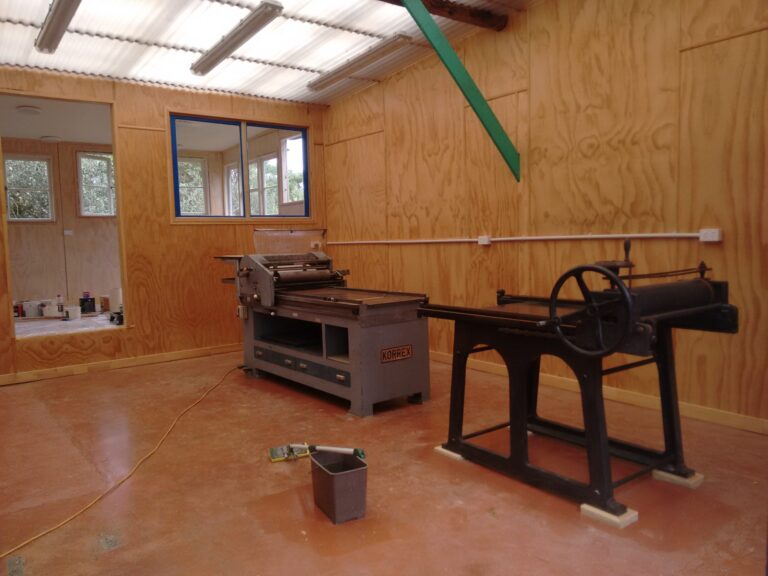
The Korrex Berlin Hand letterpress proofing press exemplifies German engineering. Made in the 1970’s at Max Simmel Maschinenfabrik, in Berlin, Germany, the Korrex press even now runs as smooth as silk.
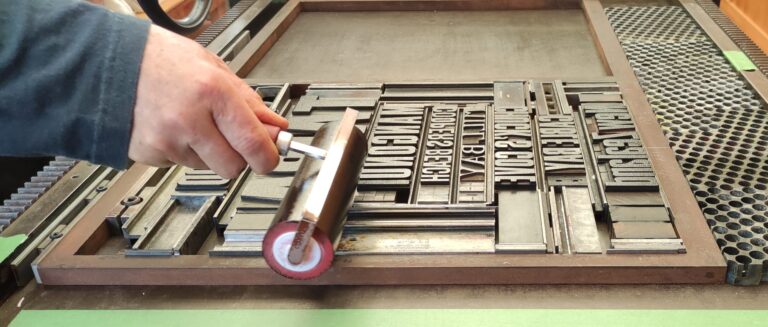
It is always exciting making something work that was destined for the scrap heap. In this post, we test the now operational Pullan proofing press.
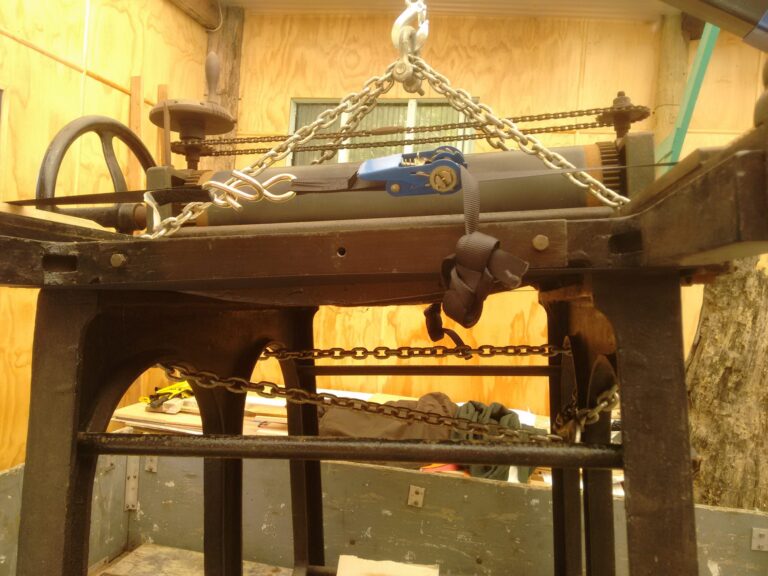
Some time ago, we were contacted about an old etching press that was about to be sent to scrap. It had been in use for many years at the Epsom Teacher’s College in Auckland, New Zealand but had since been moved around and left out in the elements as a piece of “visual art”. Not really knowing if we could use it, we decided to at least grab it before it was smashed up.
TH Pullan & Sons were an engineering company in Glasgow that specialised in printing machinery and proof presses. They went into liquidation c.1906, so it is difficult finding any actual information about the company or their products.
This press is a wonderful example of industrial revolution engineering. Fully hand crafted and even after years of misuse and neglect, is still completely flat and square.
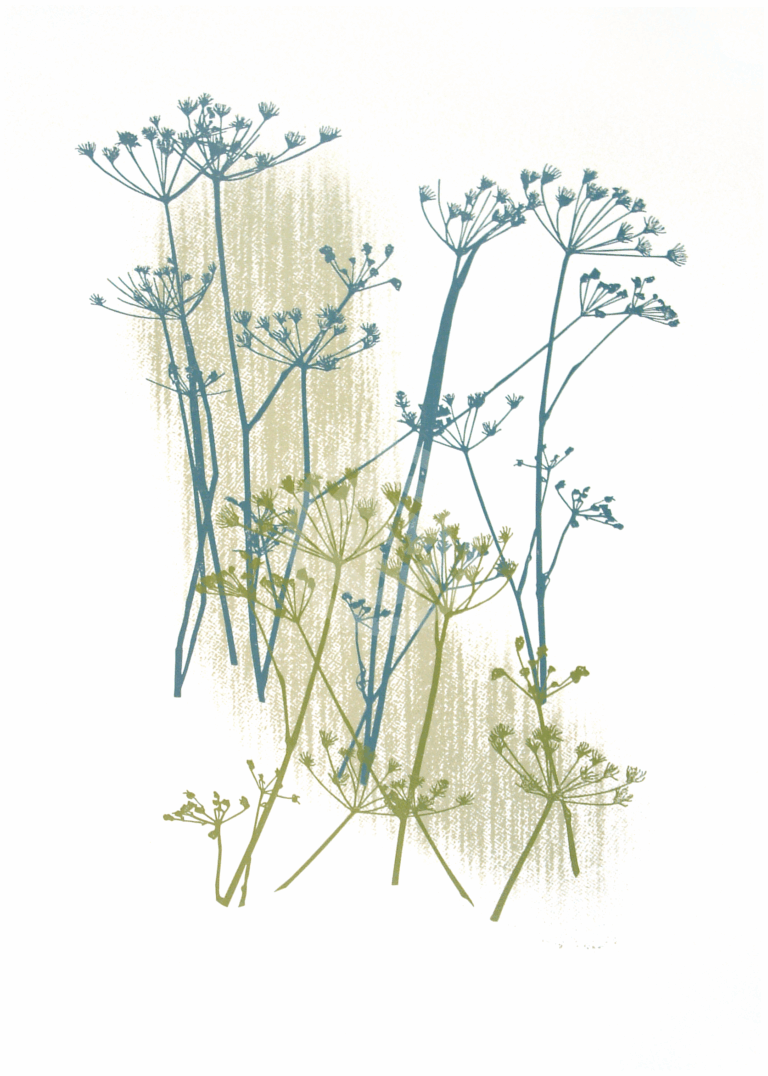
Printing of the limited print run of the Fennel series of prints on the Korrex Berlin Hand letterpress is a process we love. The press is a joy to work with and the results, on archive quality paper and colour fast inks will last the duration of time.
These prints are available now… well, while stocks last anyway.

In his paper, “On the fine perception of colours etc.”, William Colenso describes the use of colour by pre-European Māori from his first-hand experience of having met and observed the work of elderly Māori still alive at the time. The legacy he provides offers a rare glimpse into how ancient Māori created and used colour, shape, and texture for various purposes. We have tried to bring to life Colenso’s legacy by applying elements he describes in a contemporary frame; using colours described, creating letterpress printing inks from natural sources to produce prints, making use of printing substrates made from locally produced materials, iconographic representations of the source materials and artefacts produced by those that Colenso worked with.
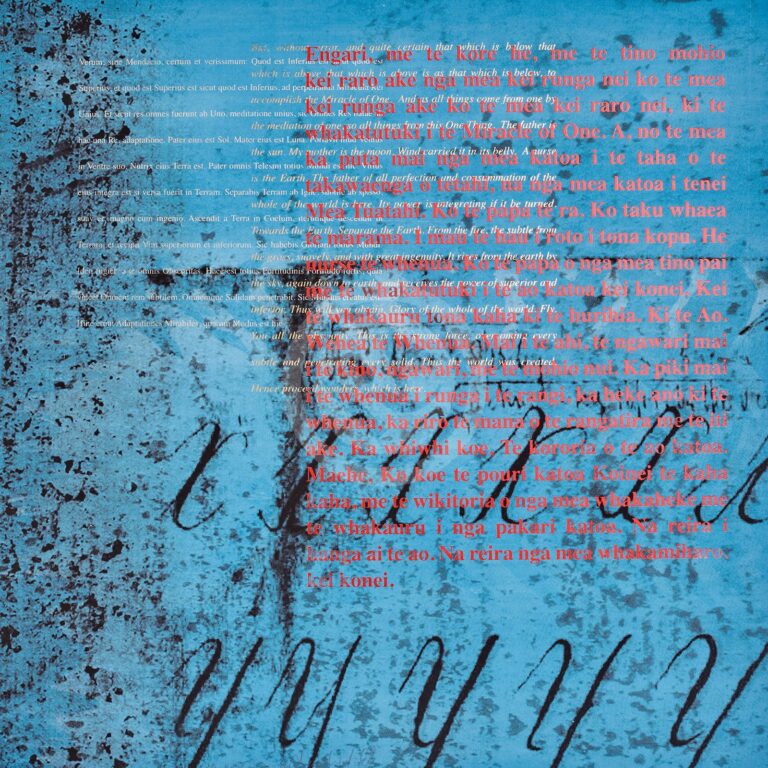
The series presents a historical narrative that traces early contact between representatives of the British Crown, clergy associated with Church Missionary Society (based in London, England), and Māori chiefs of the far north of Aotearoa New Zealand of the early 1800s. The encounters occur prior to the signing of the Treaty of Waitangi in 1840 and illustrate how an influential outcome of the early relationship between key participants was the development of a unique alphabet for the Māori language and the printing of religious texts in the Māori language.
The importance of these developments are presented against a backdrop in which communication between Māori and the first settlers, the whaling fleets traversing the Pacific, and the fledgling forestry industry, was strained by the lack of understanding of cultural protocols, hierarchy, and language.
While Māori orthography, Tikanga Māori, has been recorded by various individuals, this paper focuses on the relationship between Rev. Thomas Kendall, and Arikinui (high chiefs) Te Morenga and Waikato of Taiamai/Ngā Puhi. These leaders were future focused and undertook to establish the pathway for the first hand written and printed texts for Māori, in their own language.
