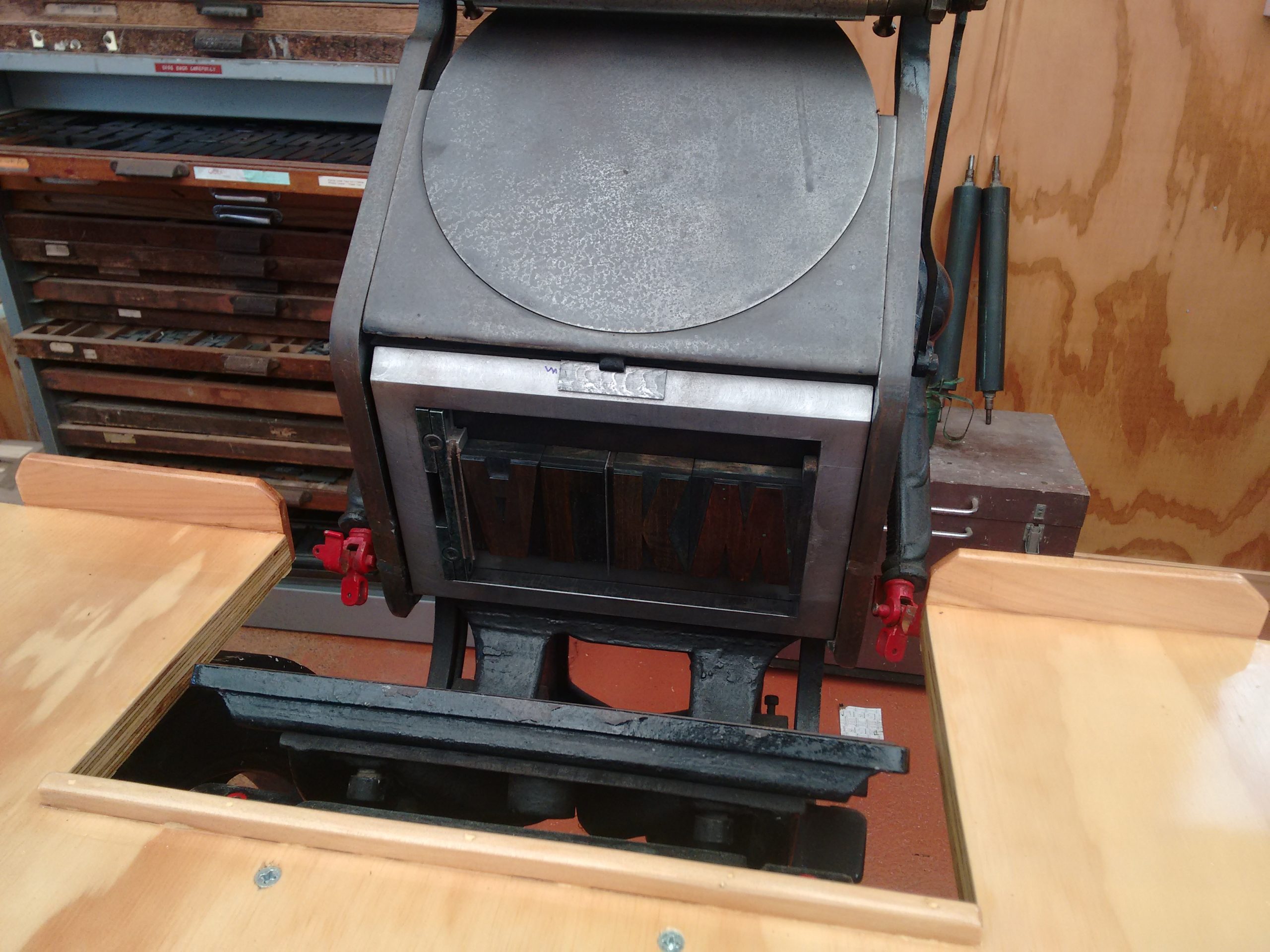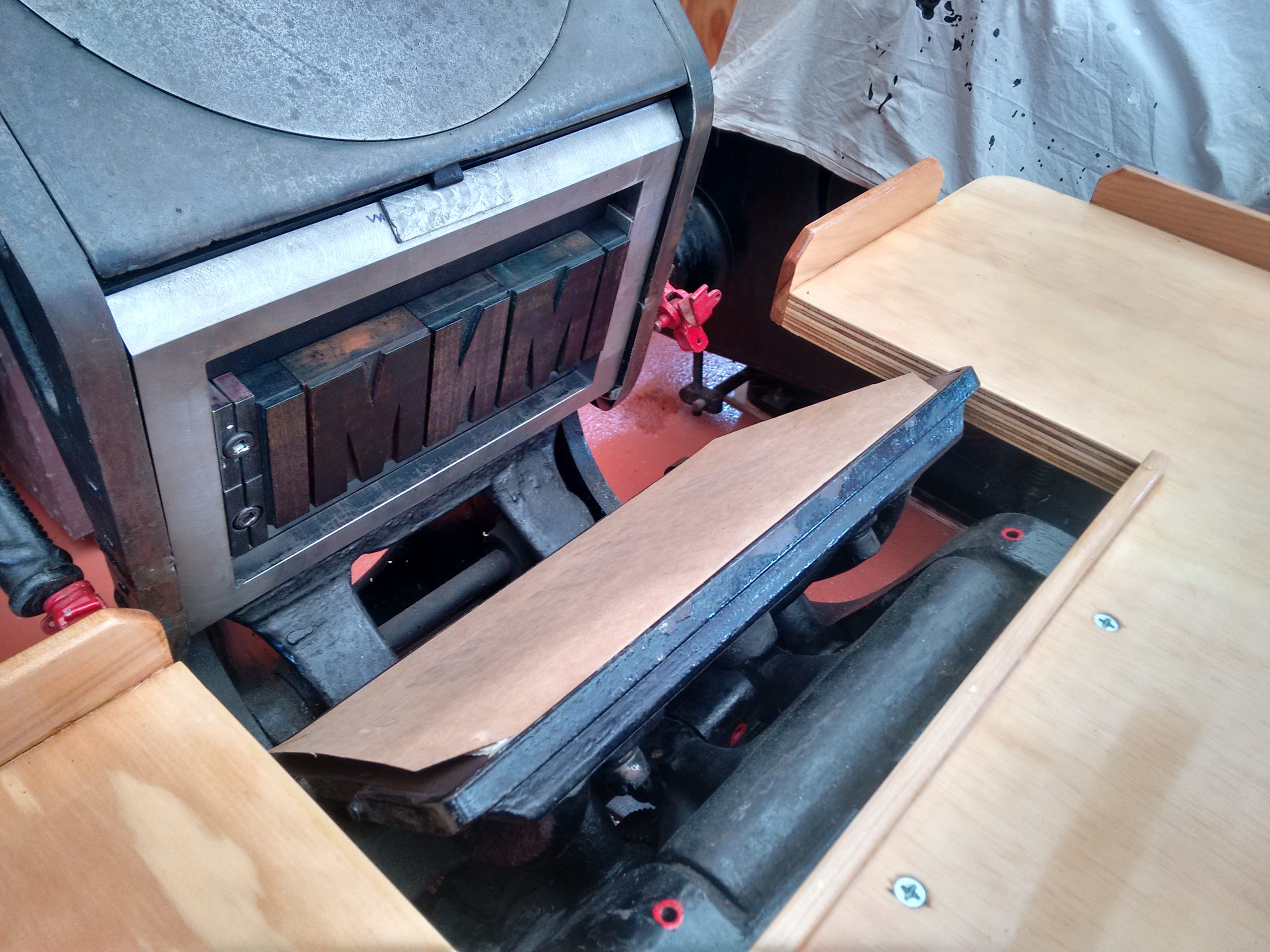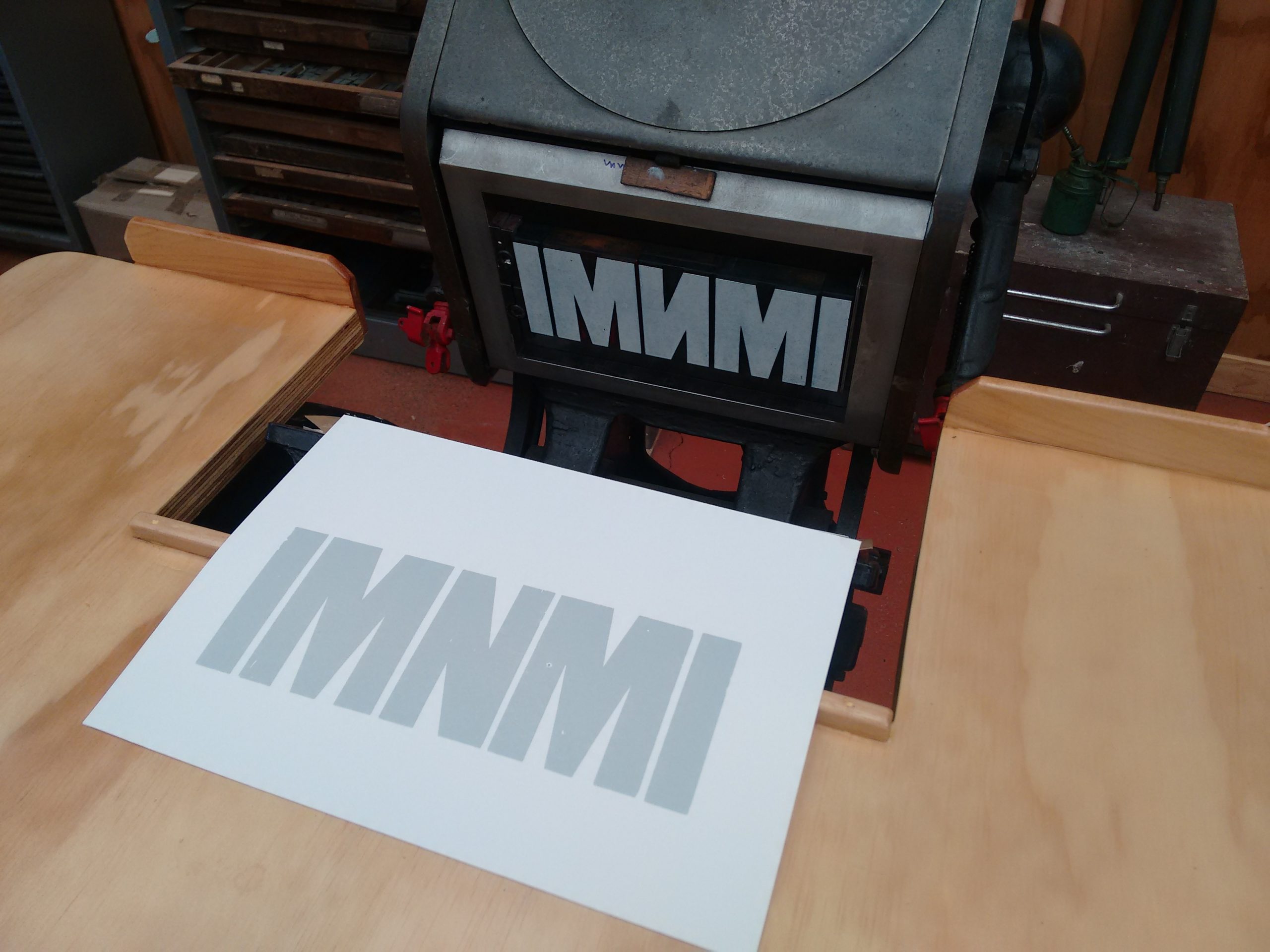
There is something meditatively satisfying when manually treadling a small Squintani Model 5 letterpress, feeding in and removing individual sheets.
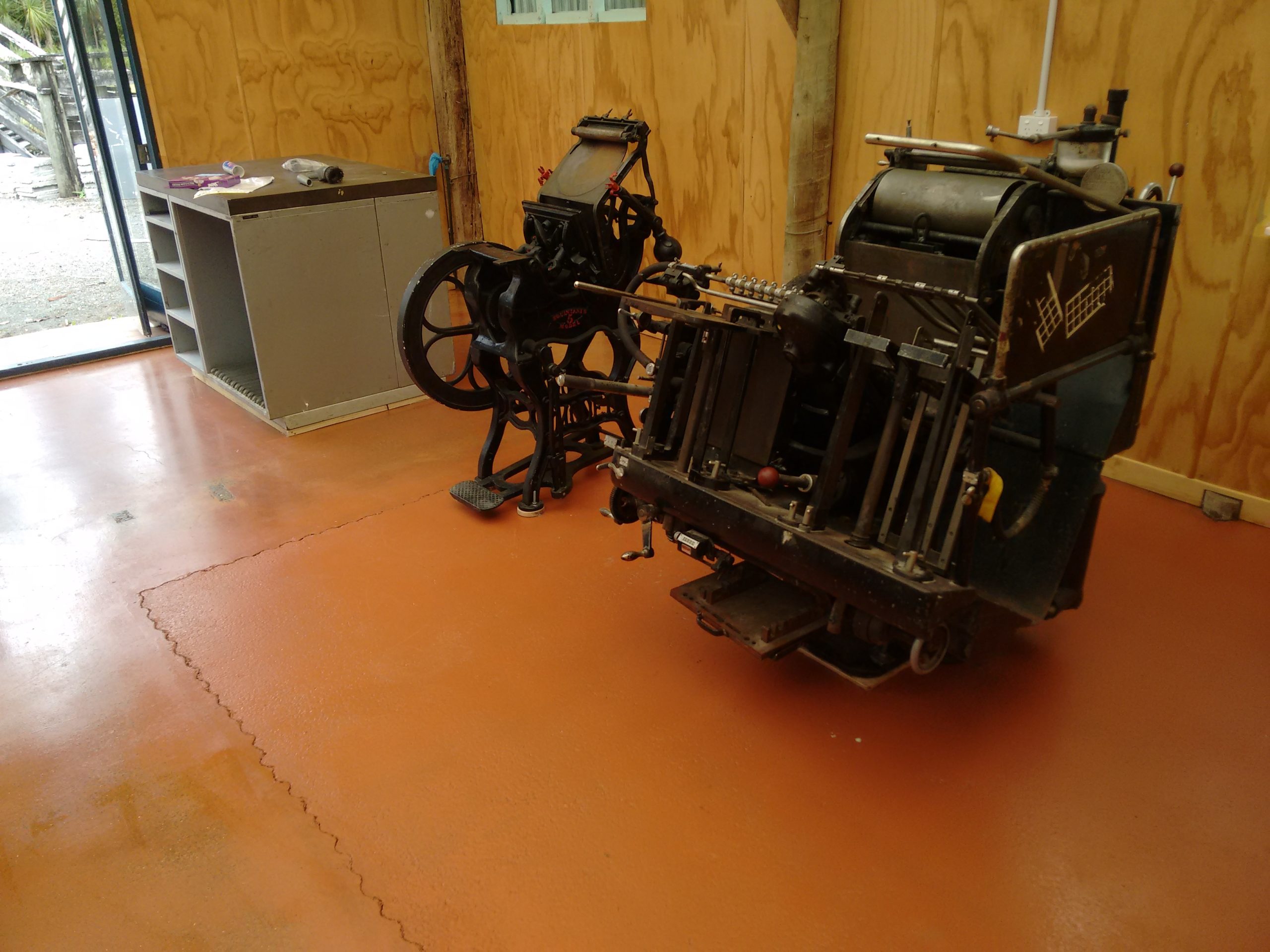
The Squintani Model 5 is as much a type of press (the Model range of printing presses) as it is a unique machine. Probably made by Peter Hooker Ltd in Walthamstow in London in the 1890’s, the Model press we have has had a difficult life. It was purchased from an ad on the TradeMe auction site and partially disassembled at the time. We were assured it was complete and had been restored to working order in the UK prior to its then owners emigrating to New Zealand. … It was neither.
Upon installing the Squintani Model 5 press, it became obvious that there were important parts missing. There were no chases, no work table, grippers or even the gripper mechanism, and the rollers are not original and instead of three, there are only two. Later experience also shows that the rollers that came with the press are the wrong diameter and length. The press has been badly broken at some point and has been welded back together, albeit competently. So it became necessary to try to fill the apparent voids. The first step was to make a new work table using various pieces of available material.
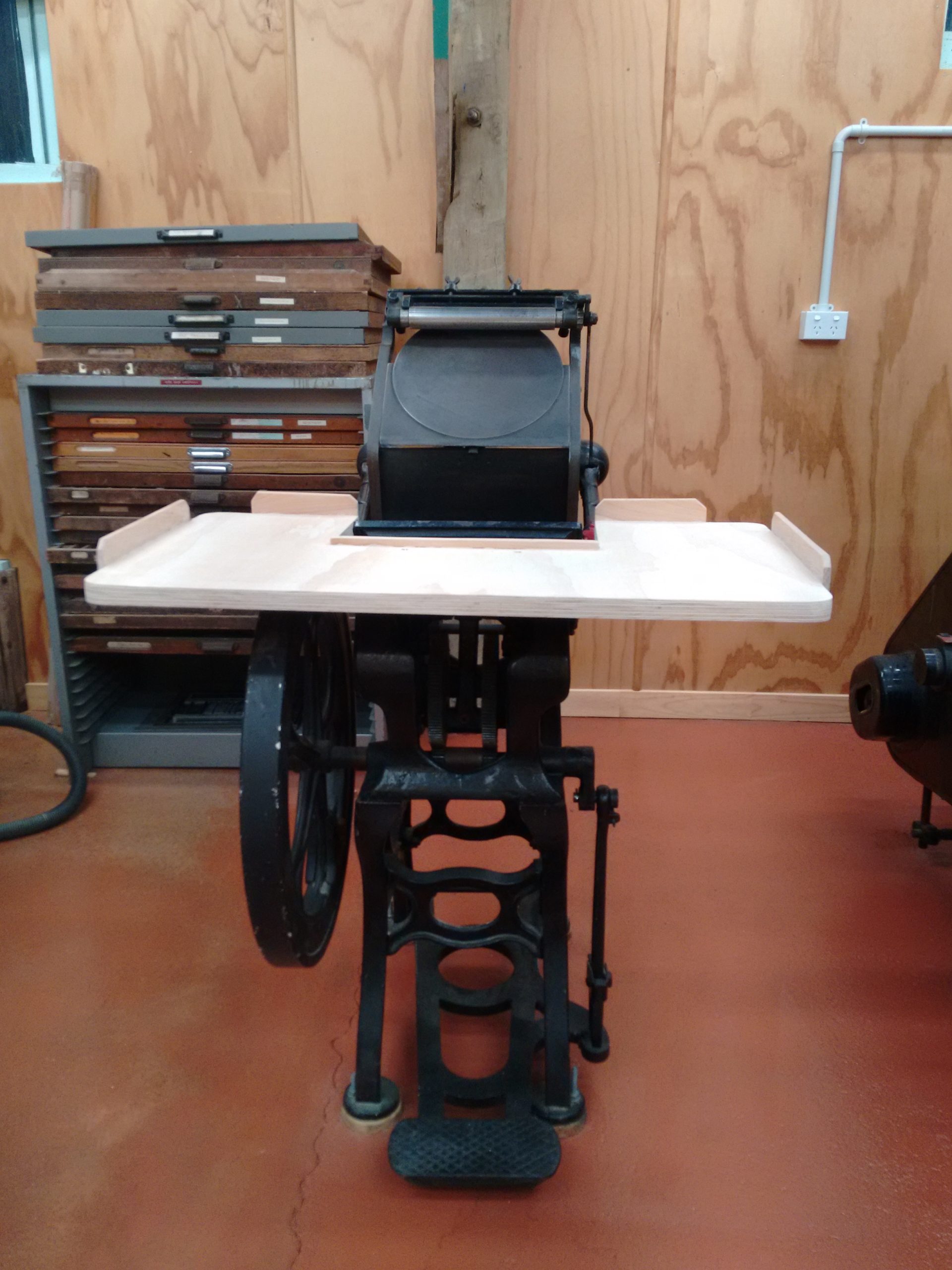
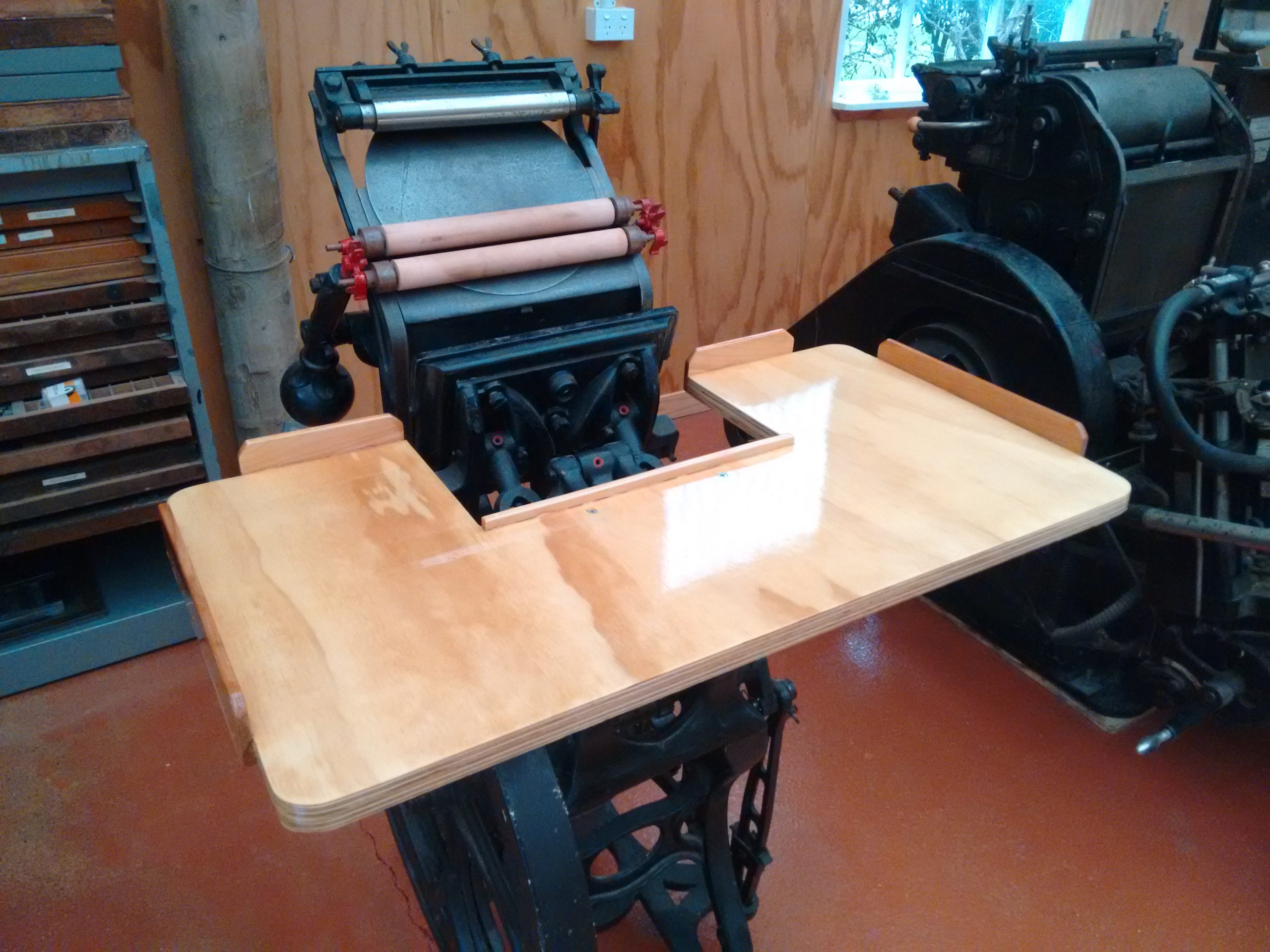
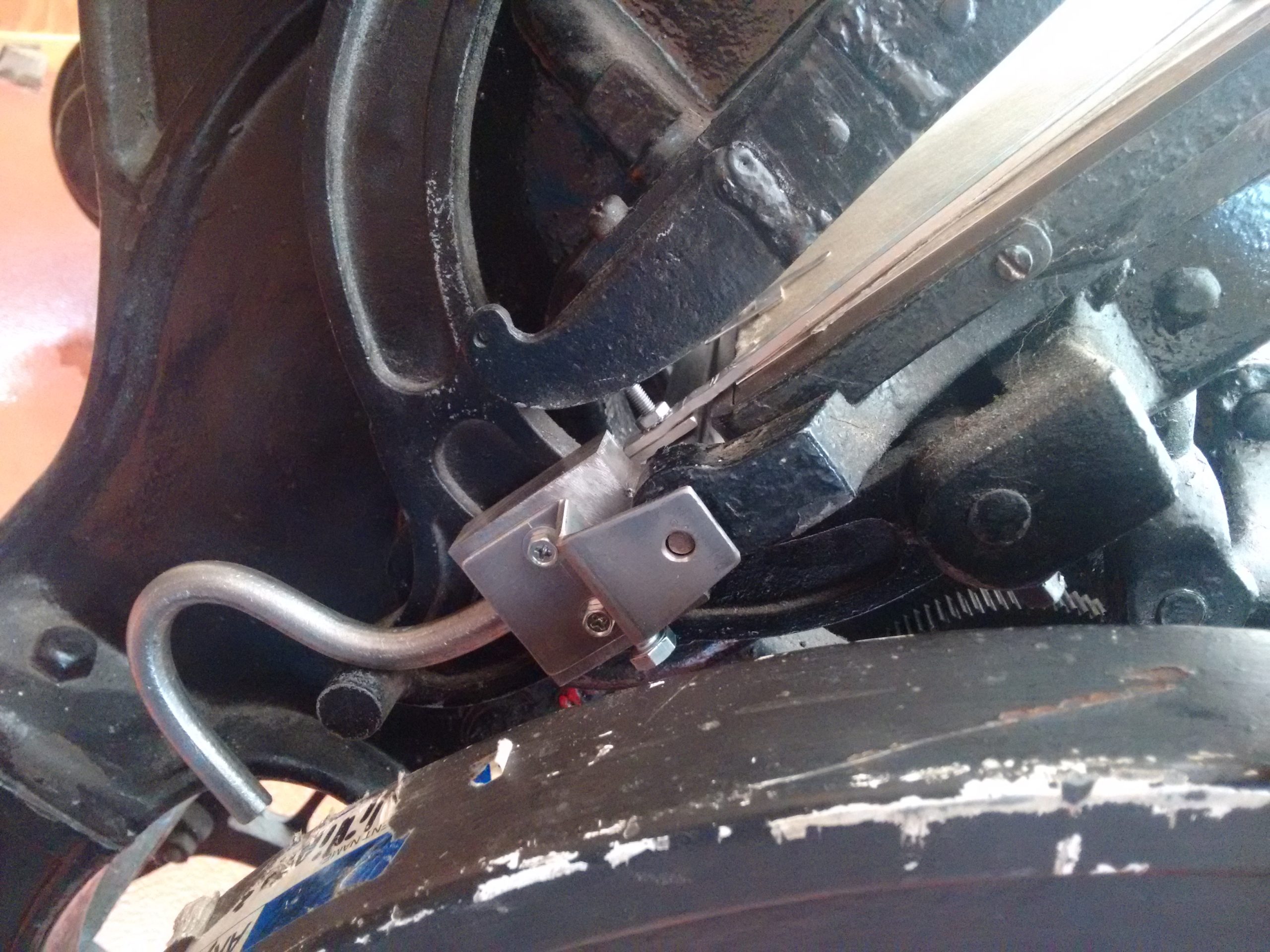
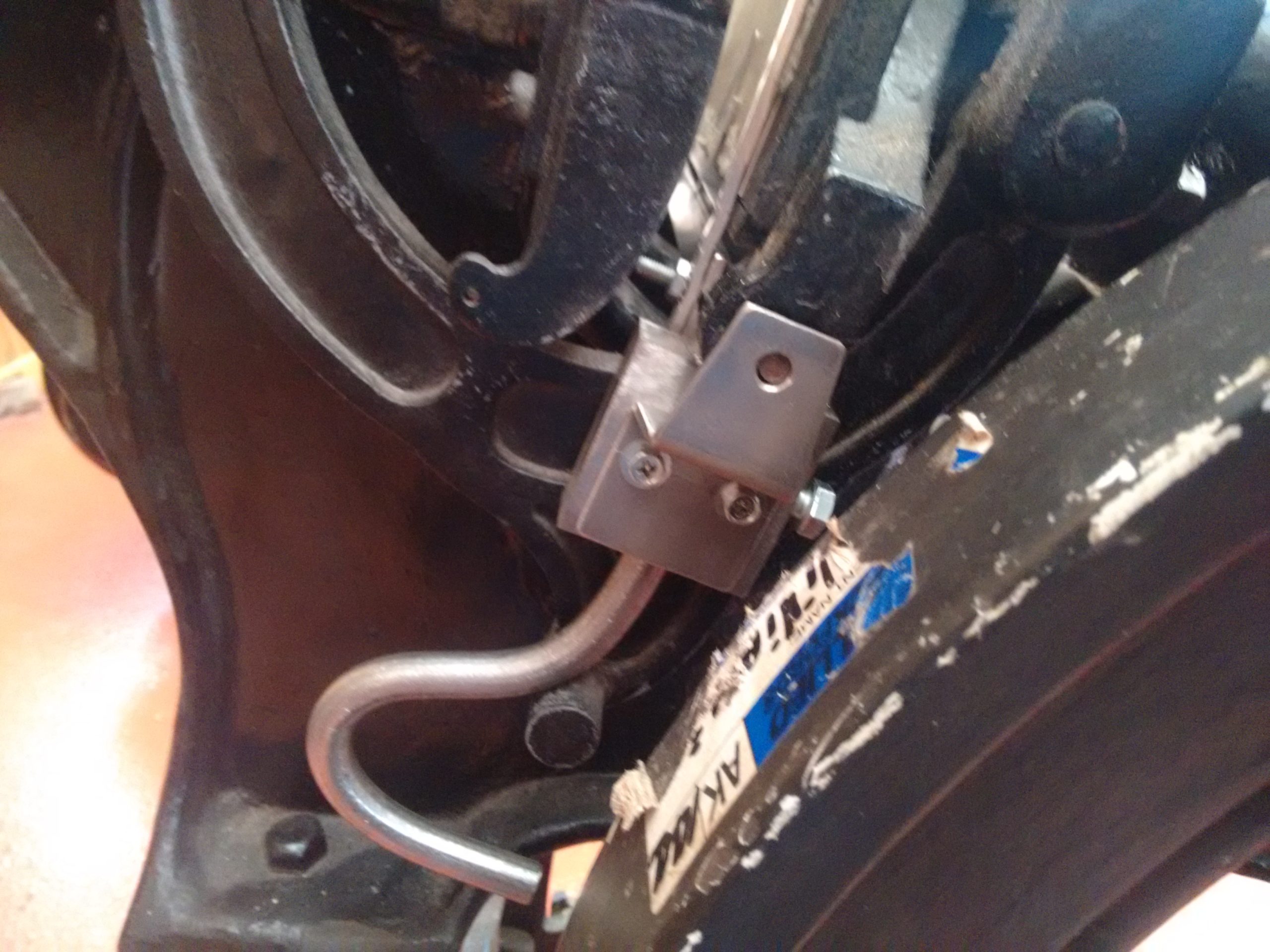
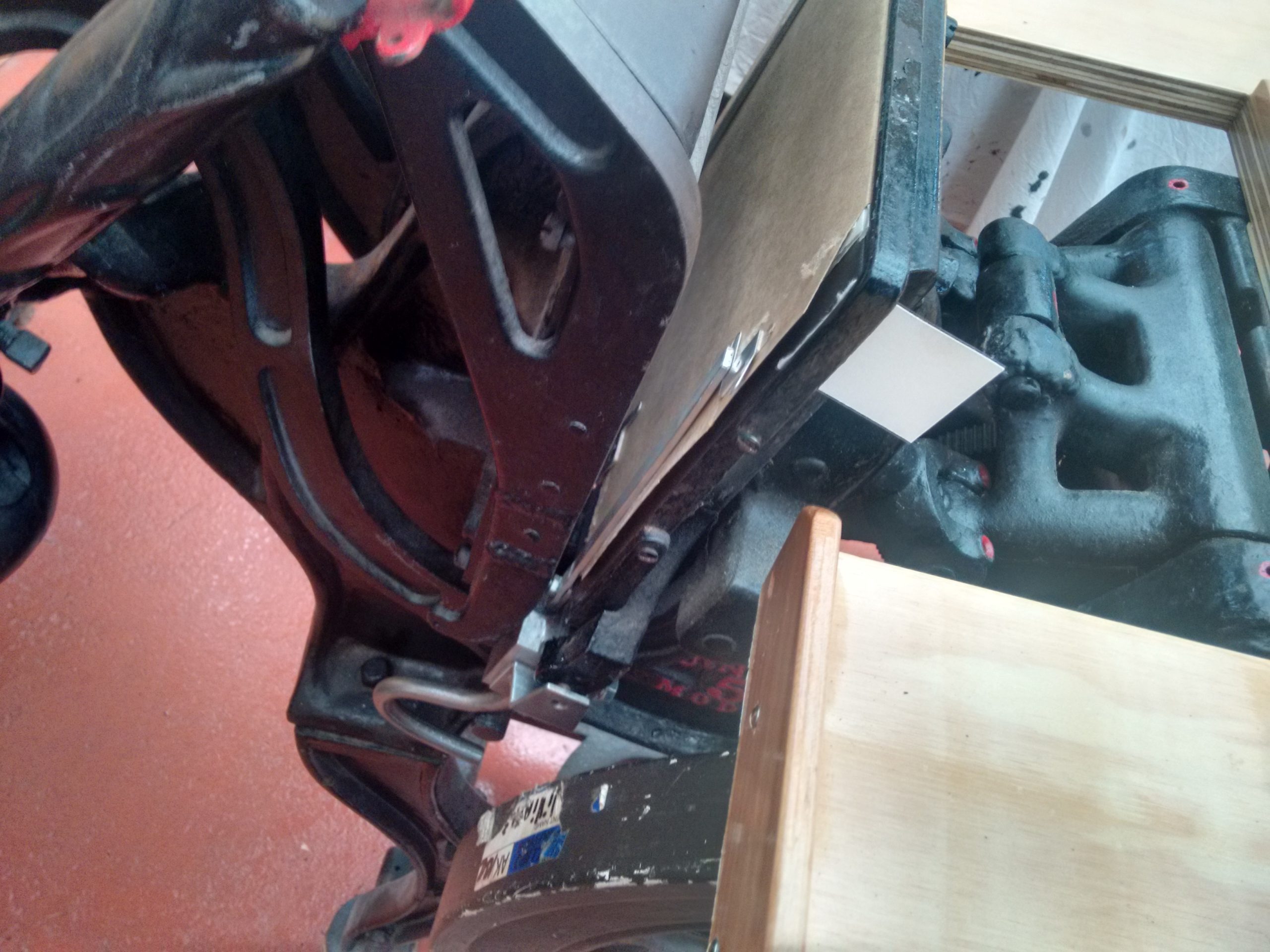
Then, the task was to fabricate a gripper mechanism. The purpose of this is to pull paper from the type when the press platen moves off the type. Since the rollers are timed to move down and up the type in sequence, it is vital that paper stock is removed before the rollers come down from the top of the press. The problem facing us was that there are few resources available for the Model 5 press and so we reached out to the letterpress community for help. Ultimately, the Squintani Model 5 is a rare beast and it became necessary to design and fabricate grippers similar to what one may find on other similar platen presses.
The gripper swings on an axis and relies on gravity to keep the arms vertical. The motion is controlled by an eccentrically curved rod, so that as the platen moves in and out, the control arm positions the gripper arms to allow for paper positioning and retrieval but holds the paper against the platen on the moment that the platen moves away from the press bed.
Another vital piece missing from the Squintani Model 5 was a chase and for those, we found no information on size and design or source for a replacement. The only recourse was to make a chase. The process involved the construction of a wooden blank to fit the external dimensions of a chase. This went to an engineer with detailed plans of the internal chase dimensions, thickness, wall width, and so on. A solid billet of steel was milled and the result was a chase that fits perfectly into the press and is strong enough to resist locking up.