$475.00 GST incl.
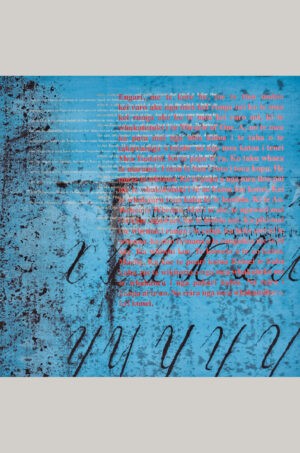
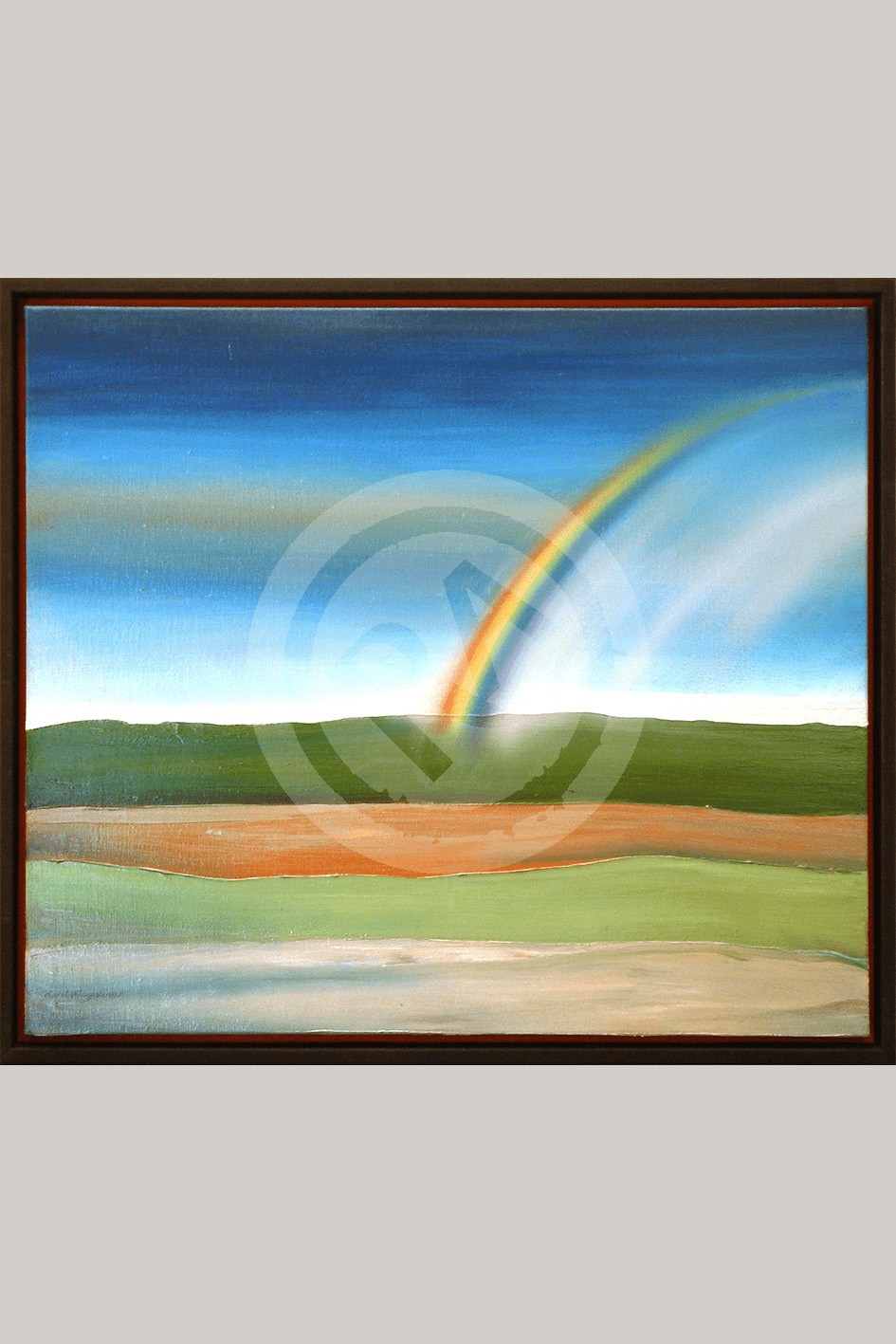
The rainbow has always fascinated people and for many represents The Covenant Symbol of Renewal. They appear after storms and are breathtakingly beautiful. But rainbows mean more than just good looks. Many cultures see them as symbols of promise, hope, and new beginnings as a sign of peace and safety. This story has been told for a long time, and the rainbow has become a powerful symbol of hope and renewal.
Only 1 left in stock
The rainbow has always fascinated people and for many represents The Covenant Symbol of Renewal. They appear after storms and are breathtakingly beautiful. But rainbows mean more than just good looks. Many cultures see them as symbols of promise, hope, and new beginnings as a sign of peace and safety. This story has been told for a long time, and the rainbow has become a powerful symbol of hope and renewal.
Even now, rainbows inspire and lift people up. They remind us that even when times are bad, better days are coming. The bright colors of the rainbow show us that different things can come together to make something beautiful.
Rainbows teach us that life has ups and downs. Like rain turns into sunshine, hard times can help us grow and change. Rainbows tell us to embrace change, look past the bad stuff, and believe in new beginnings. So, when you see a rainbow, in the sky, in a painting, or even in a kind act, remember that it’s a sign of hope. Rainbows remind us that we are strong and that good things are coming our way. Let the rainbow’s bright colors fill you with joy and hope for the future.
In Māori culture and spirituality the rainbow is not merely a weather phenomenon, it is a taonga (treasure) that personifies specific deities and serves as a vital bridge between the physical and spiritual worlds. The rainbow is primarily personified by two major atua (gods or supernatural beings), depending on the iwi:
In traditional Māori life, the appearance of a rainbow was often interpreted as a significant sign. Before a battle, a taua (war party) would look to the rainbow for guidance. If the rainbow appeared directly over the enemy, it was a sign of victory but if it arched over one’s own party, it was a warning of defeat. Kahukura was often invoked during the planting of the kūmara (sweet potato). A rainbow appearing during the planting season was seen as a divine endorsement of the crop’s future success. A rare lunar rainbow was personified as Hinekōrako, a pale, ghostly arc seen as a highly spiritual omen, often related to birth or the presence of noble ancestors.
The rainbow is a literal and metaphorical bridge (ara) between Te Ao Mārama (the world of light/physical world) and the heavens. It represents the path taken by gods and ancestors to move between realms. This “climbing the rainbow” is a common motif in stories of heroes seeking higher knowledge or reuniting with lost loved ones.
In modern contexts, iwi like Ngāi Te Rangi use the rainbow effect (Rehutai) as a metaphor for innovation. Just as sunlight hitting sea spray creates a rainbow, the collision of traditional Māori knowledge with new learning creates “the rainbow effect” of growth and development.
| Weight | 10 kg |
|---|---|
| Dimensions | 900 × 800 × 150 mm |
| Dimension: Width | 755 mm |
| Dimension: Height | 655 mm |
| Dimension: Depth | 50 mm |
| Framing | Framed |
| Material | Acrylic, gesso medium, and metallic powders on stretched canvas |
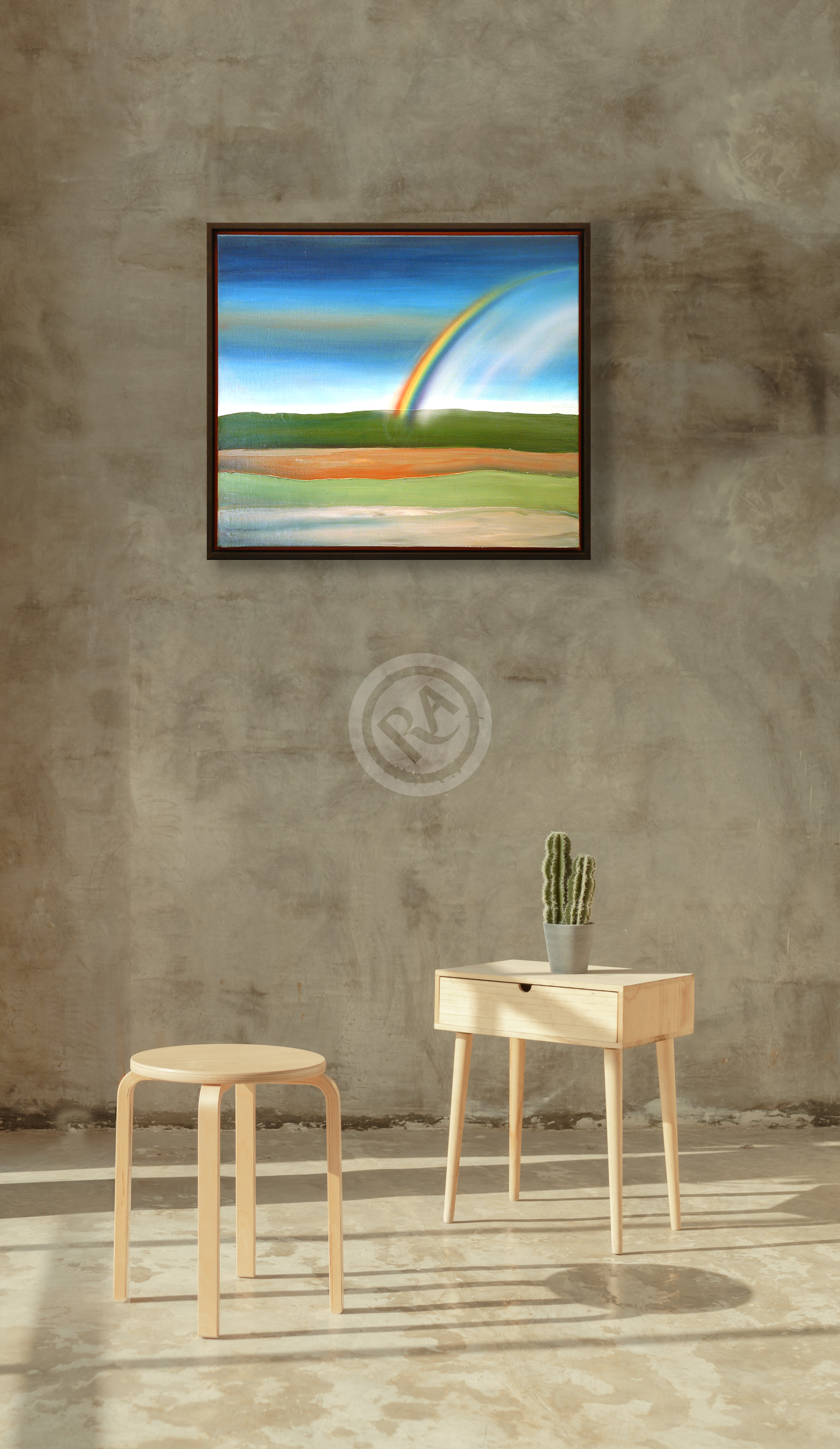
| Please Note | The 'in situ mockup' is a visual representation within an environment and may not accurately reflect the size of the work. |

We use cookies to improve your experience on our site. By using our site, you consent to cookies.
Websites store cookies to enhance functionality and personalise your experience. You can manage your preferences, but blocking some cookies may impact site performance and services.
Essential cookies enable basic functions and are necessary for the proper function of the website.
These cookies are needed for adding comments on this website.
You can find more information in our Privacy Policy.