$38.00 – $51.83Price range: $38.00 through $51.83
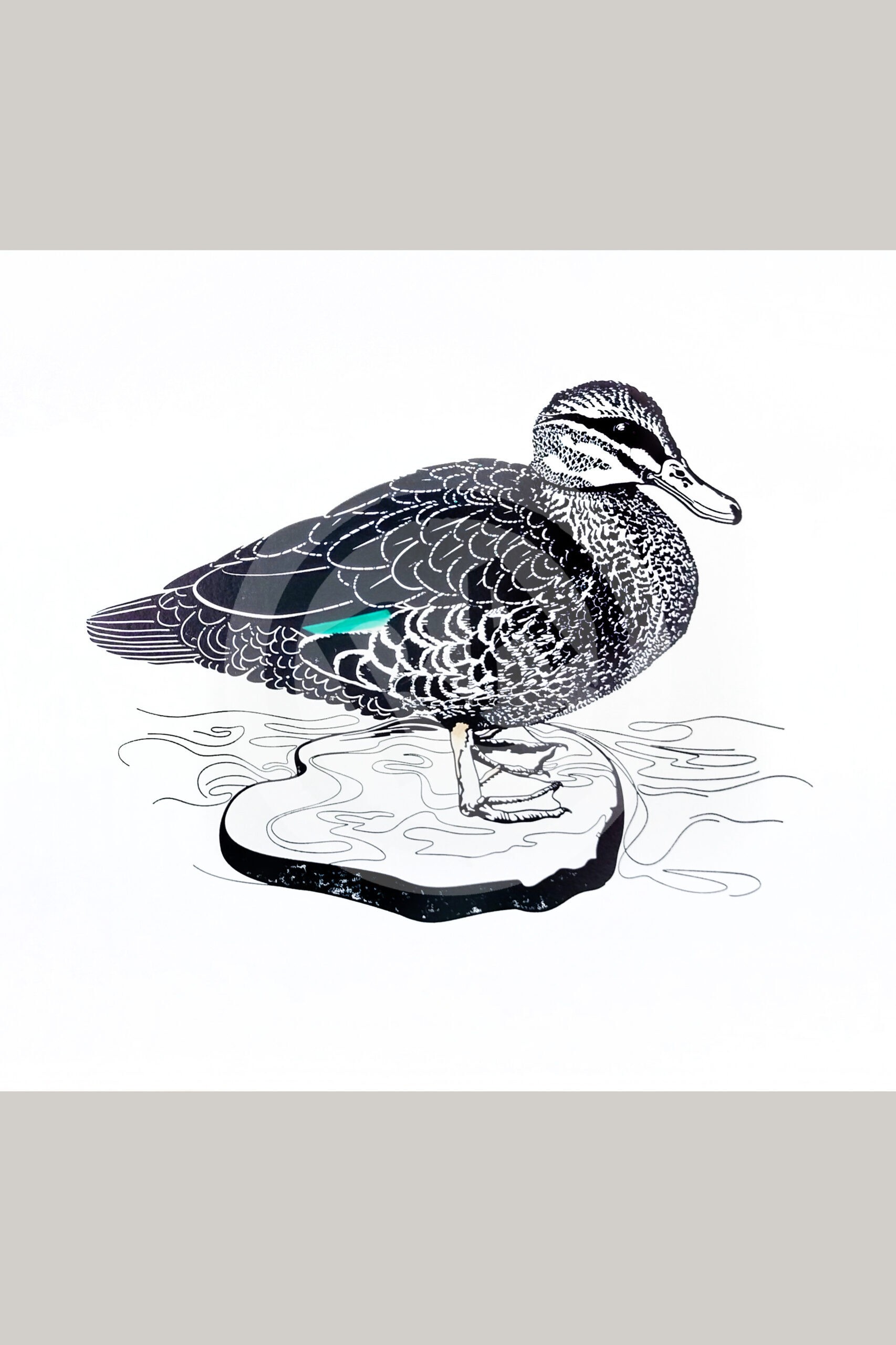
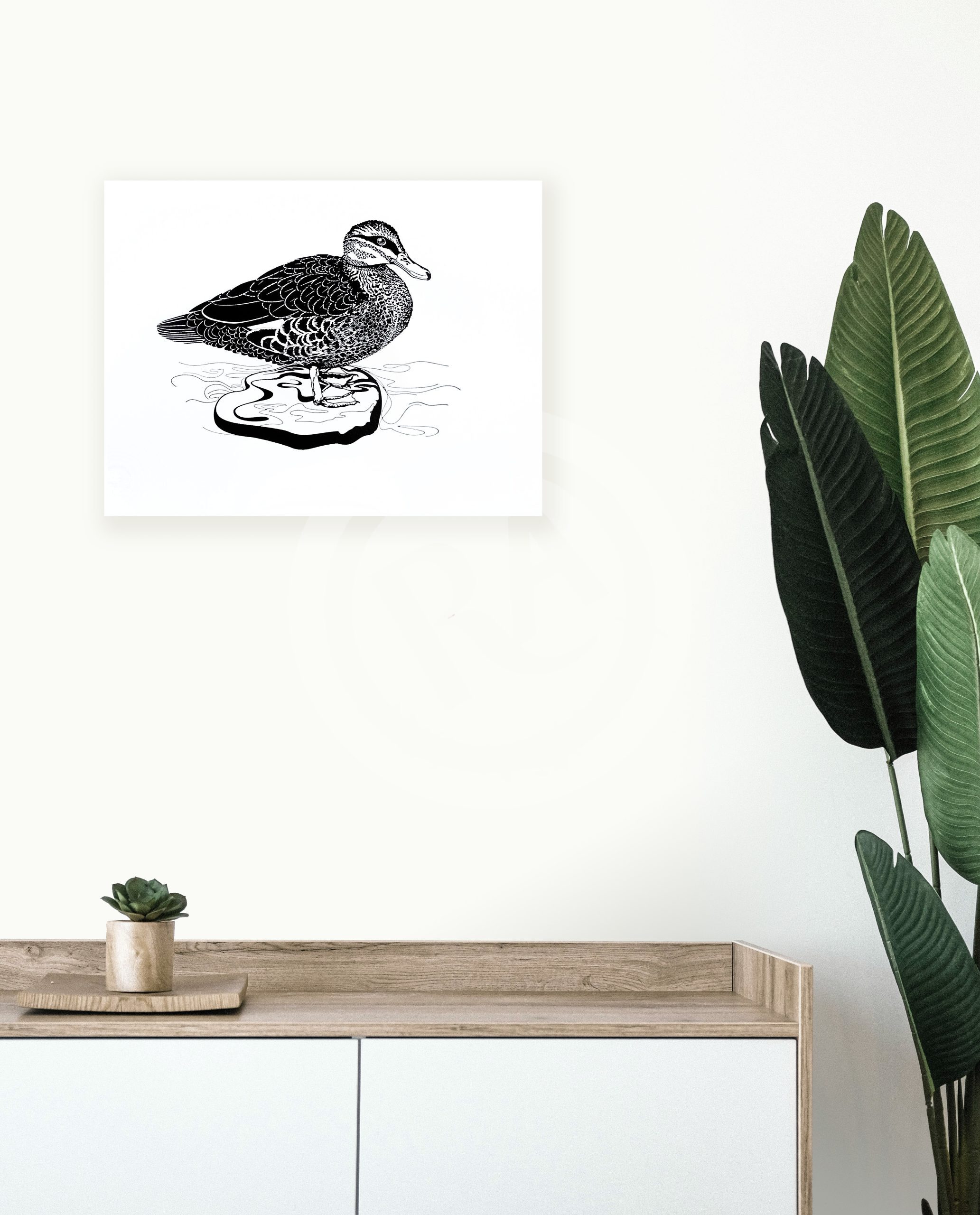
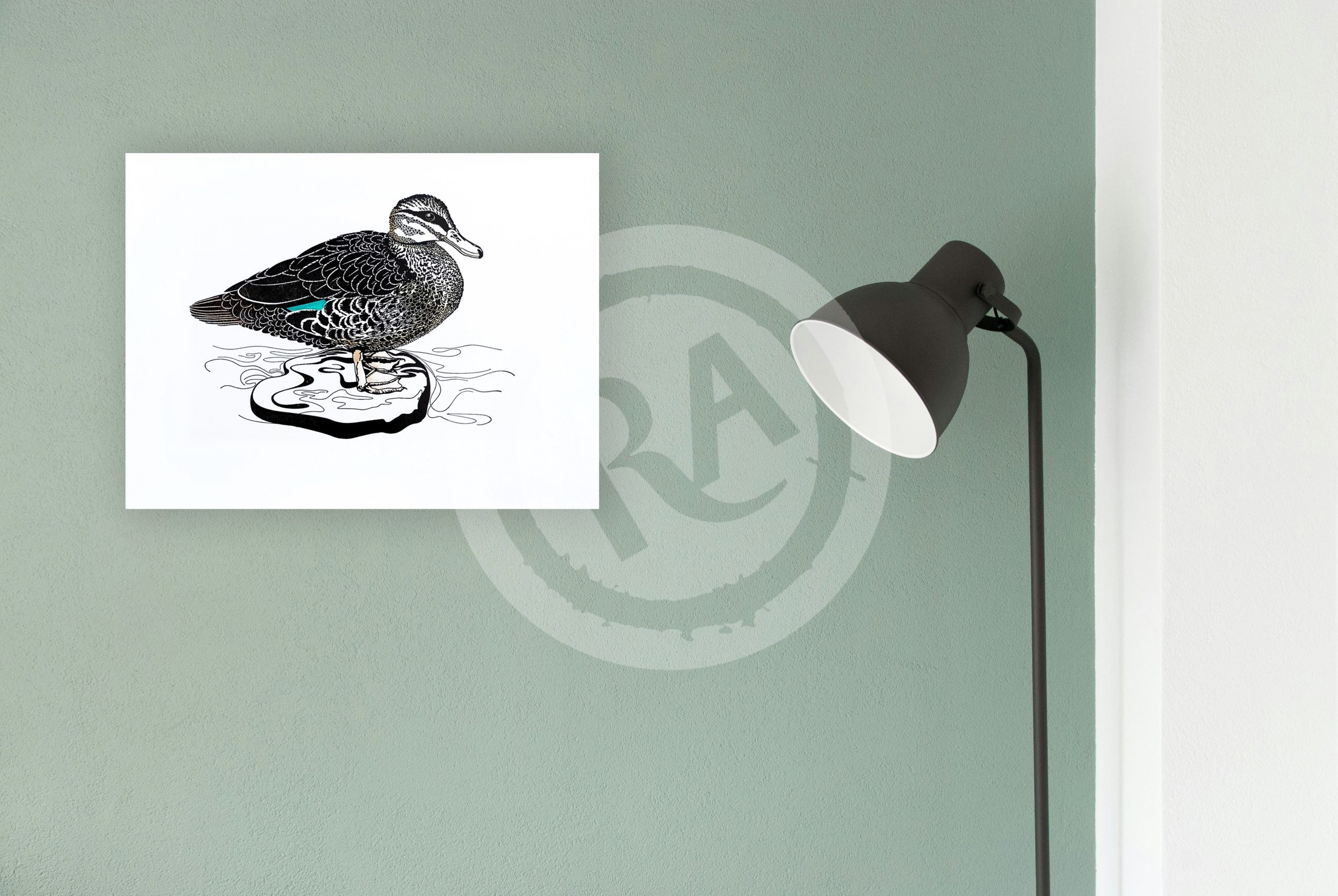
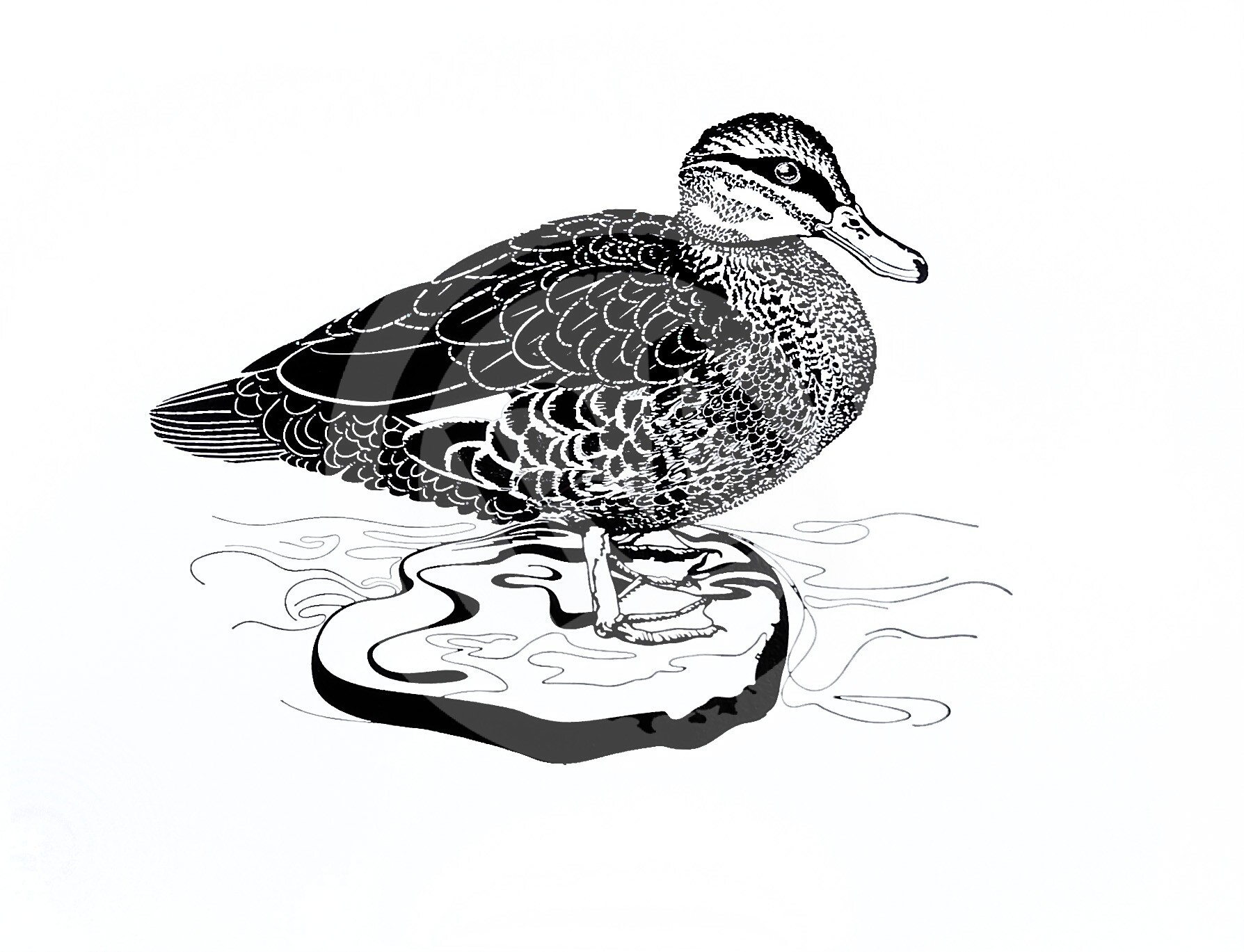
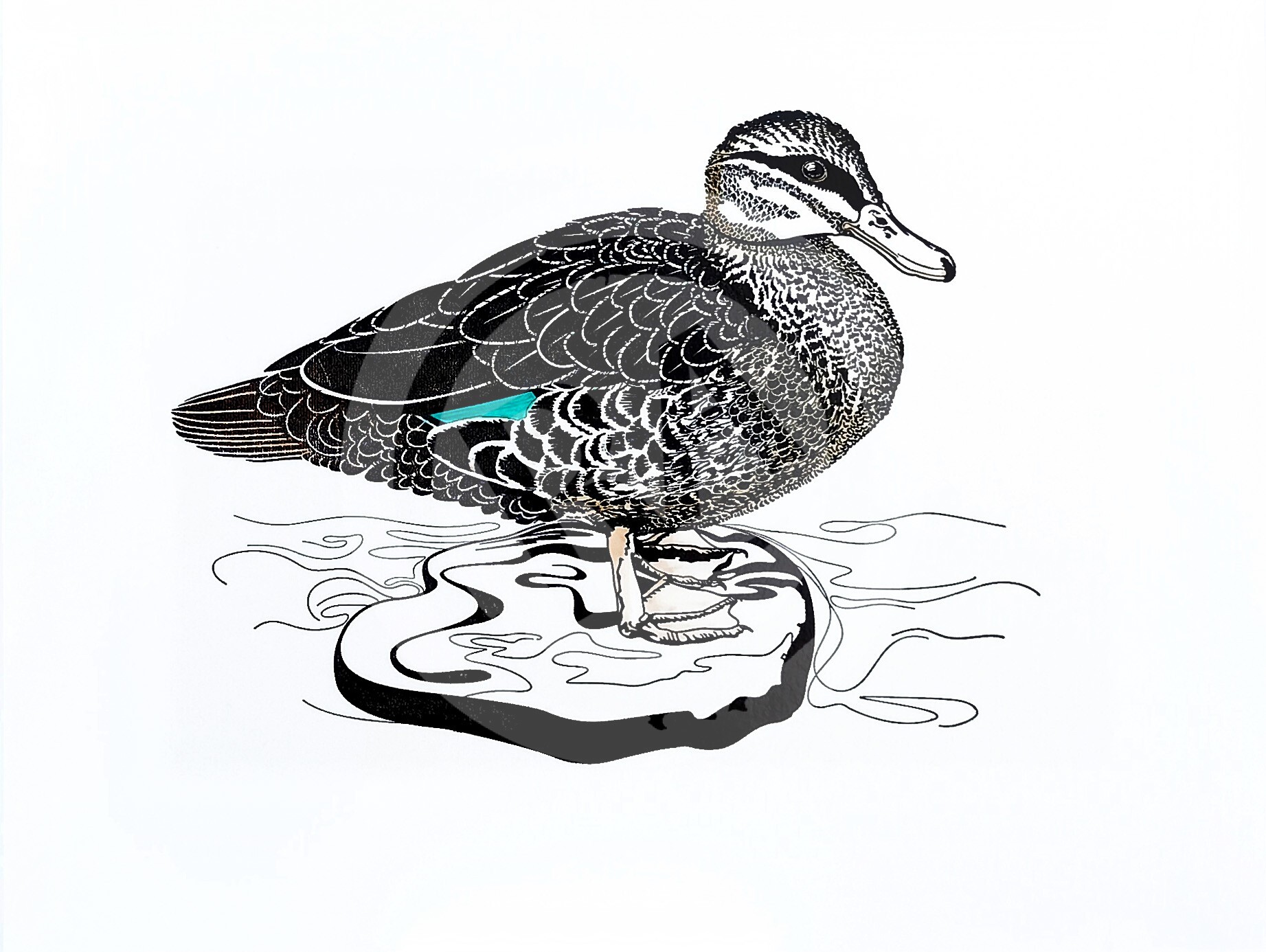
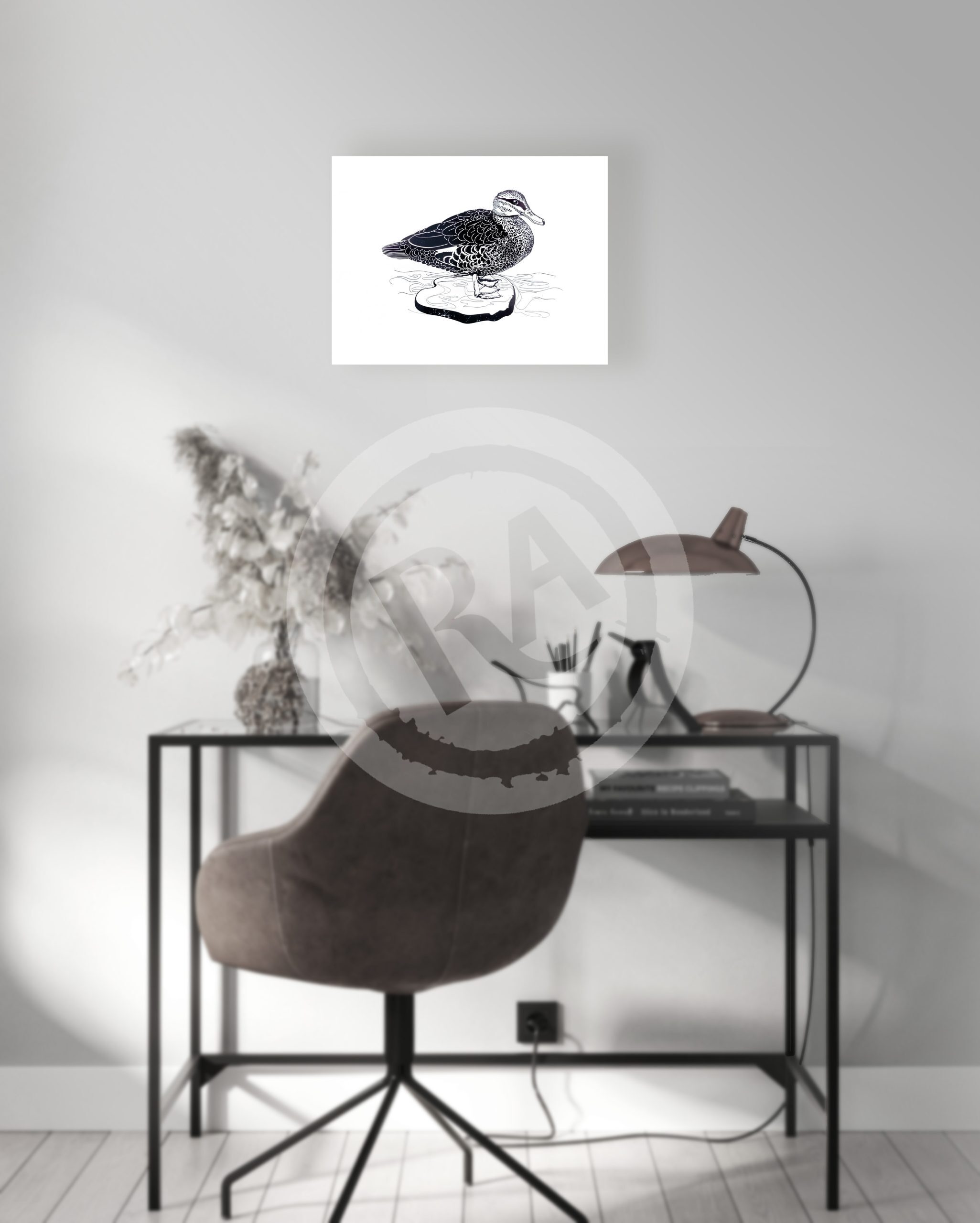
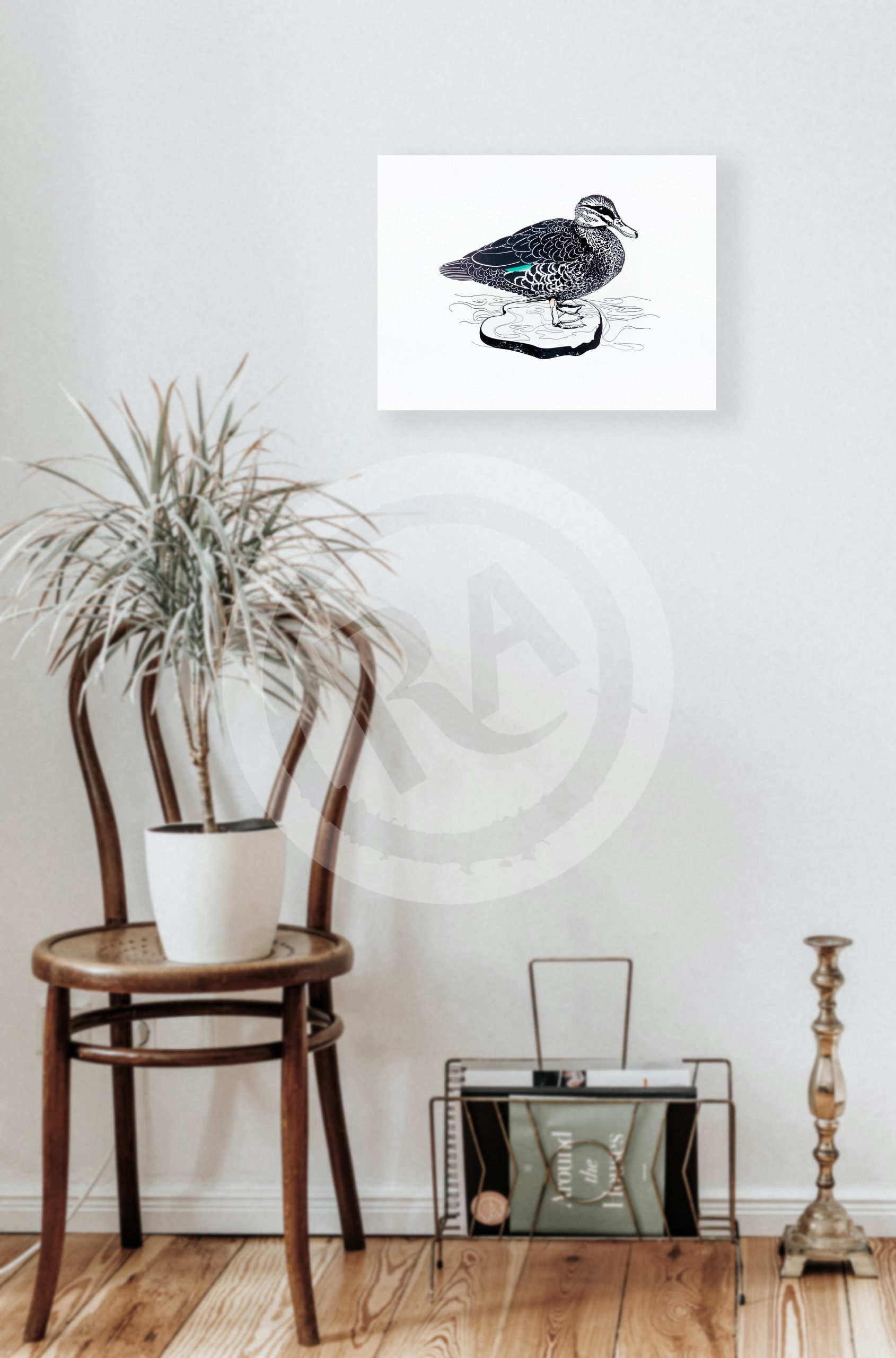
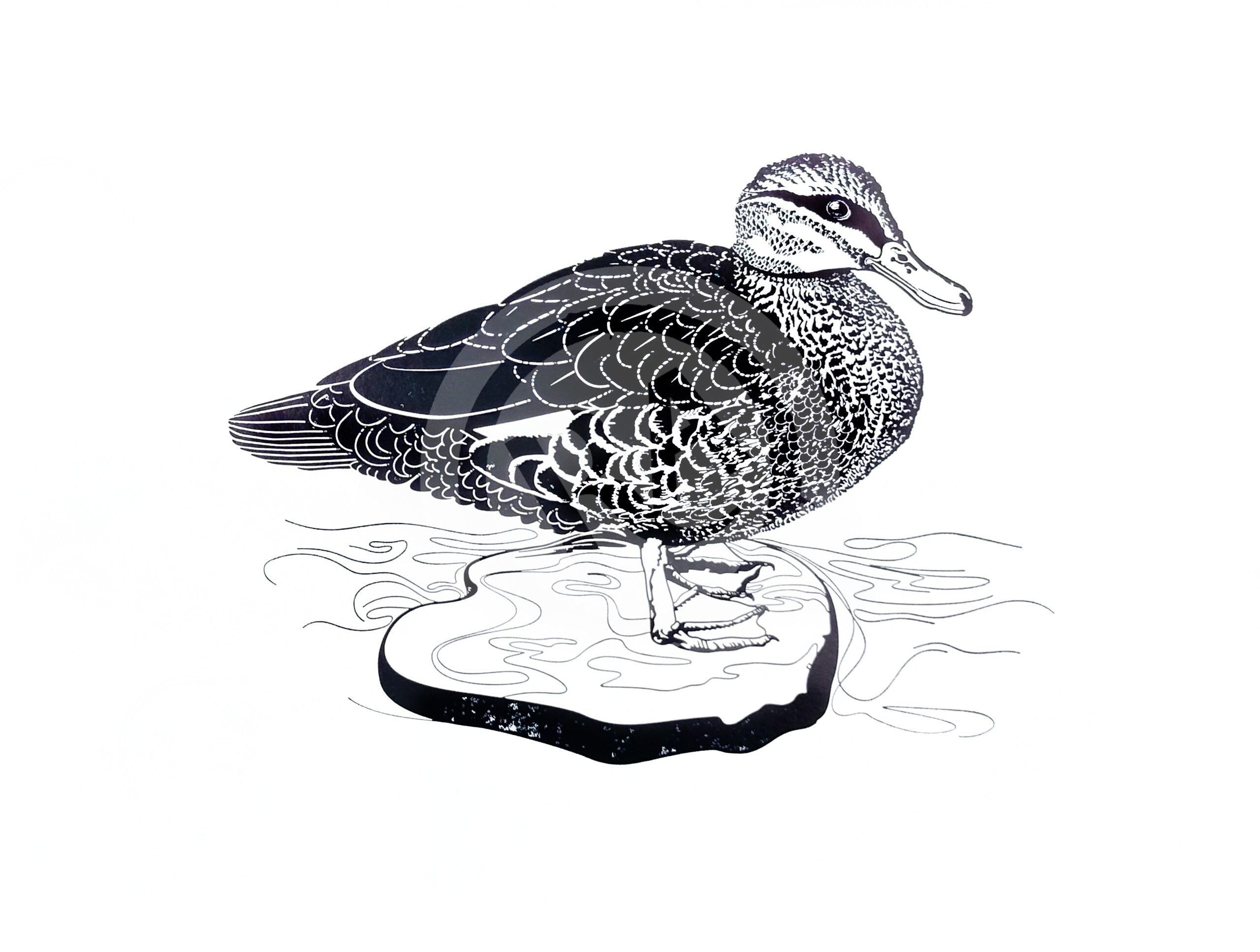
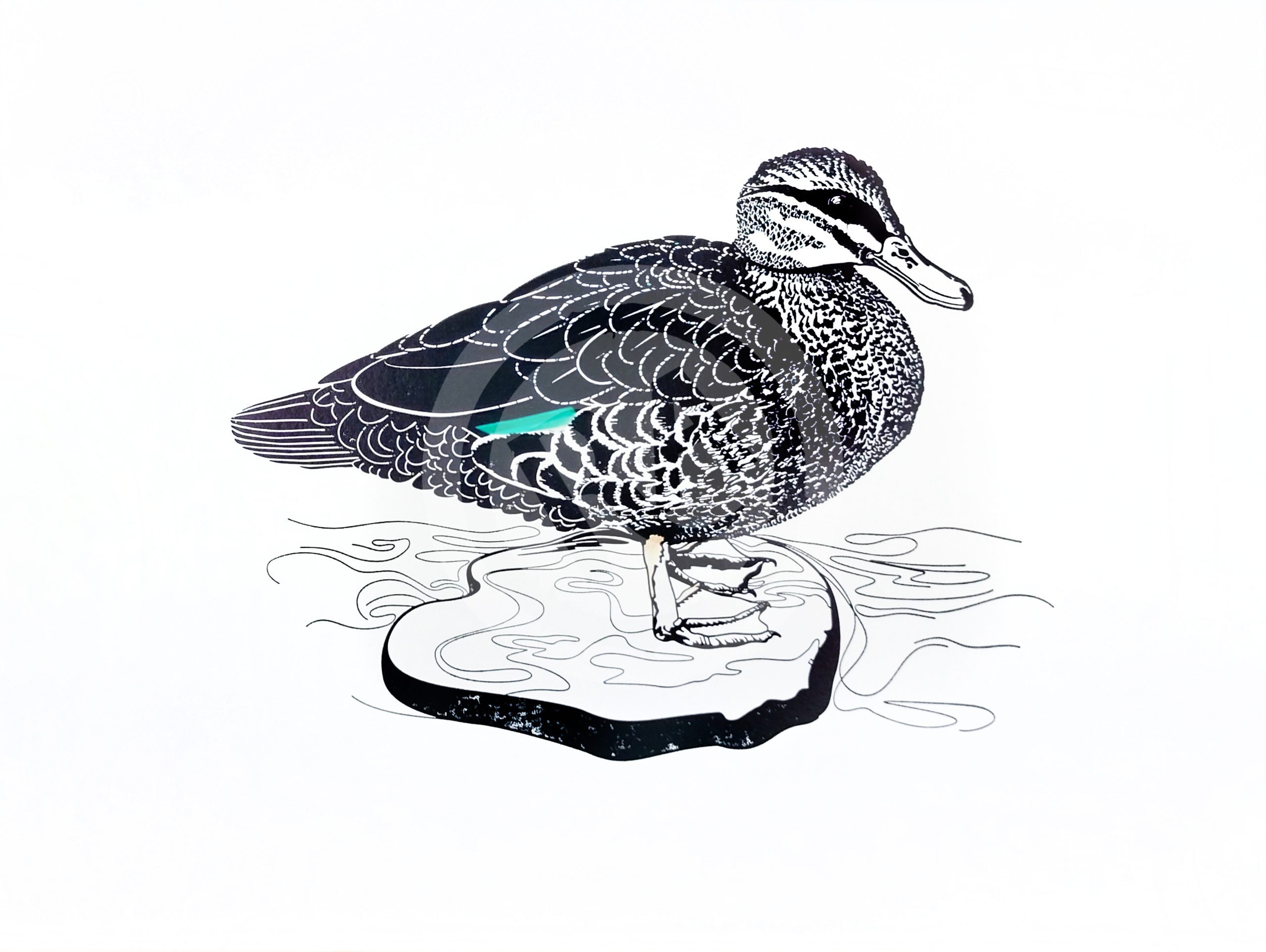
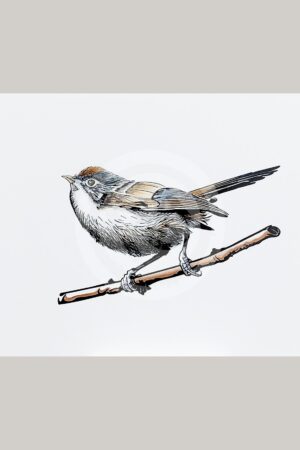
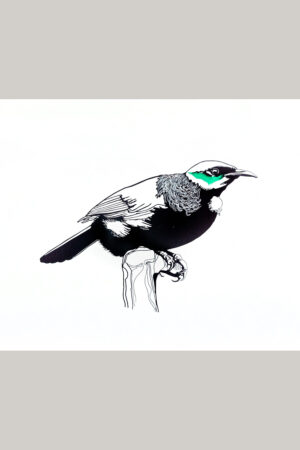
This exquisite letterpress bird print of the Grey Duck Pārera, a beloved native bird of New Zealand, is a stunning celebration of nature’s simple elegance. The Grey Duck Pārera letterpress print showcases the enduring power of traditional artistry. The tactile quality of the raised ink and the subtle indentations on the paper create a multi-sensory experience that deepens your appreciation for this unique artwork.
Bring a Touch of New Zealand’s Wild Beauty into Your Home with this letterpress bird print. This exquisite letterpress bird print of the Grey Duck Pārera, a beloved native bird of New Zealand, is a stunning celebration of nature’s simple elegance.
With its intricate details and striking black ink, the artwork beautifully captures the gentle demeanour of the Grey Duck Pārera. It’s a testament to the enduring power of monochromatic artistry, where a single colour can evoke a world of emotion and depth.
As a symbol of resilience and adaptability the Grey Duck Pārera is not just a bird, it’s a symbol of resilience and adaptability, cherished for its understated beauty. This print pays homage to the pārera’s enduring spirit, inviting you to connect with the untamed heart of Aotearoa, New Zealand.
The Grey Duck Pārera letterpress print showcases the enduring power of traditional artistry. The tactile quality of the raised ink and the subtle indentations on the paper create a multi-sensory experience that deepens your appreciation for this unique artwork.
Whether you’re a passionate birdwatcher, a lover of New Zealand’s natural wonders, or simply drawn to the timeless appeal of letterpress printing, this Grey Duck Pārera print is sure to captivate your heart and imagination.
Display it proudly in your home or office as a reminder of the beauty and resilience that surrounds us. Let this enchanting artwork transport you to the tranquil wetlands of New Zealand, where the Grey Duck Pārera thrives.
Don’t miss out on the opportunity to own this exquisite print. Order yours today and add a touch of New Zealand’s wild beauty to your collection.
You can read more about the Grey Duck Pārera here. Below is information about this tāonga.
The grey duck, or pārera (Anas superciliosa), holds a unique position in New Zealand’s cultural landscape. While it was once the most abundant duck in Aotearoa, its significance has evolved from a vital subsistence resource to a modern symbol of conservation and indigenous identity.
For centuries, the pārera was a cornerstone of the Māori diet. Unlike the more aggressive introduced species we see today, the pārera was a reliable, native inhabitant of lakes, estuaries, and forested rivers.
The Harvest: Māori harvested them primarily after the breeding season or during the moulting period in spring. Because the birds were flightless during the moult, they could be driven ashore and captured in large numbers—a process governed by strict protocols (tikanga) to ensure sustainability.
Whakapapa (Genealogy): Some iwi (tribes) and hapū (subtribes) trace a spiritual connection to the bird through the ancestor Moe-Tahuna, whose name refers to the way ducks rest on the banks of waterbodies.
The habits of the pārera were closely observed and woven into the Māori language through whakataukī (proverbs).
Greed and Appetite: Because the pārera is a “dabbling” duck that filters mud for seeds and invertebrates, it became a metaphor for gluttony.
He pārera apu paru: “A pārera that gobbles mud” is used to describe a greedy person.
He pārera apu kai: “The duck is a gross feeder.”
Spiritual Messengers: Like many native birds, the pārera was sometimes viewed as a link between the physical world (Te Ao Mārama) and the spiritual realm, appearing in stories as a sign of the environment’s health.
Today, the cultural significance of the pārera is tied to its status as a taonga (treasured) species under threat.
The Mallard Conflict: Since the 1860s, the introduction of the European Mallard has led to massive hybridization. Pure-bred pārera are now extremely rare, making the bird a symbol of the struggle to preserve “pure” indigenous heritage against invasive influences.
Kaitiakitanga (Guardianship): The decline of the pārera is a focal point in discussions about Māori rights to manage native species. Under the Treaty of Waitangi, many iwi argue for greater authority (rangatiratanga) over the management of the pārera to prevent its total “genetic absorption” by mallards.
| Weight | .5 kg |
|---|---|
| Dimensions | 400 × 300 × 20 mm |
| Width (mm) | 285, 375 |
| Height (mm) | 218, 286 |
| Material | Renoir 260gsm archival ivory |
| Please Note | These are hand printed artworks and there may some slight variation. The prints are sold unframed – ask us about having your print framed. |

We use cookies to improve your experience on our site. By using our site, you consent to cookies.
Websites store cookies to enhance functionality and personalise your experience. You can manage your preferences, but blocking some cookies may impact site performance and services.
Essential cookies enable basic functions and are necessary for the proper function of the website.
These cookies are needed for adding comments on this website.
You can find more information in our Privacy Policy.