Background for the IMPACT9 Exhibition
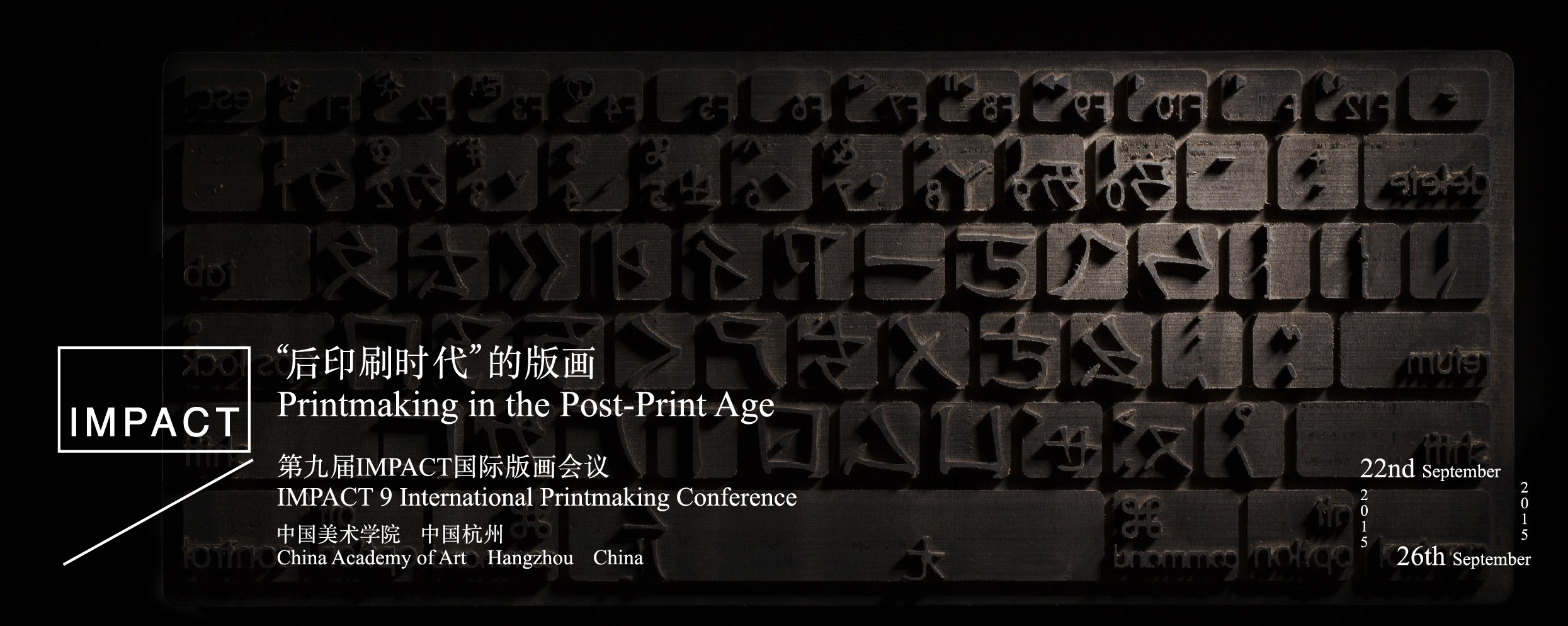
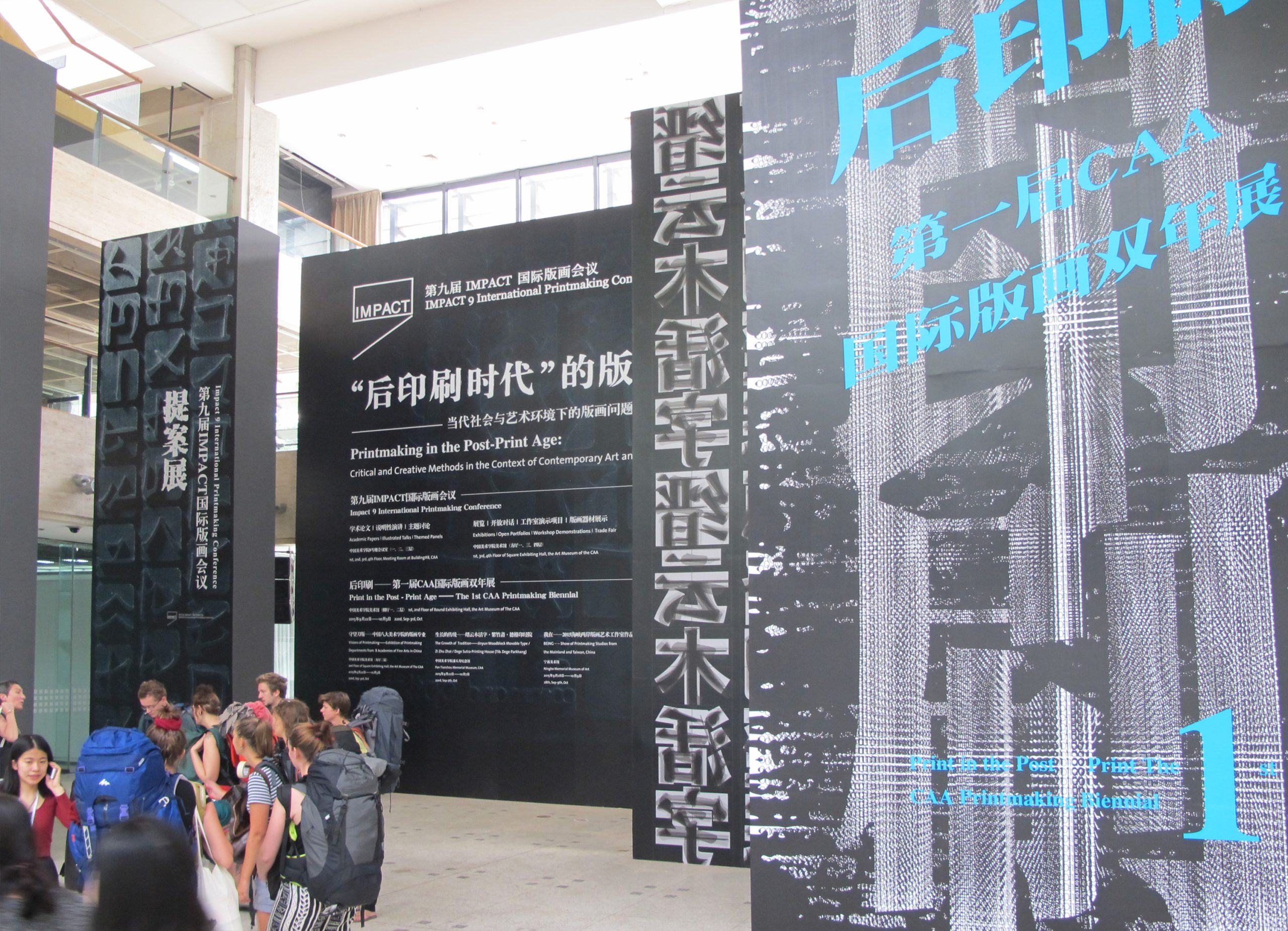
The IMPACT conferences are organised by University of the West of England, Bristol and held every two years. Each conference is hosted by a different country and involves hundreds of exhibitors and delegates. We first attended the IMPACT9 Exhibition in 2015 which was hosted by the China Academy of Art, Hangzhou, China, and exhibited posters (see here).
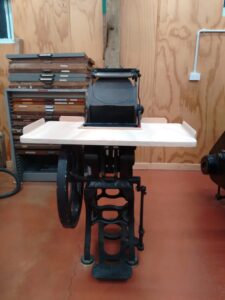
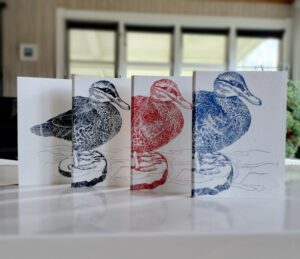
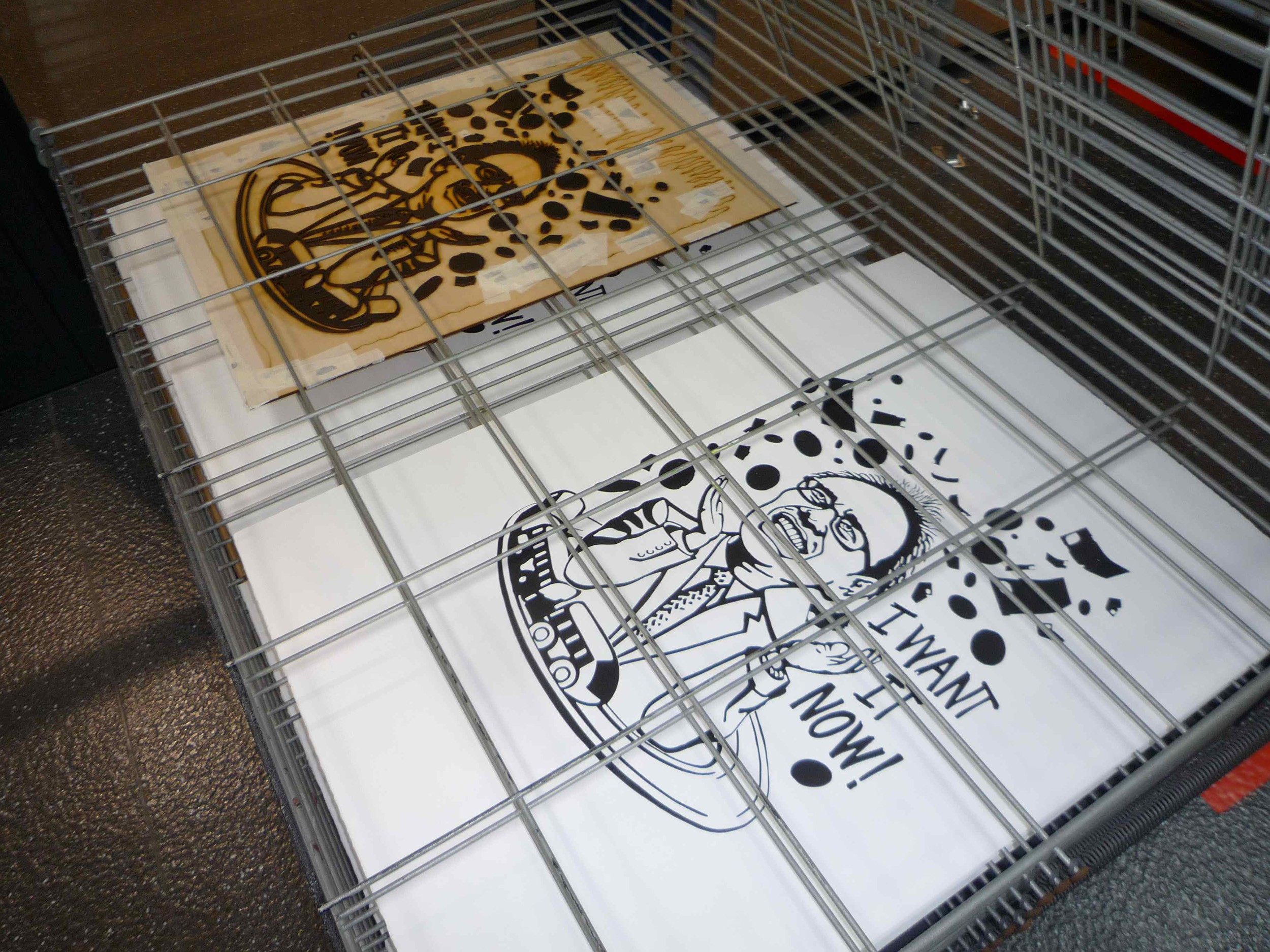
Several print trials were required to get things right. The quality of the final outcome was influenced by the computer files that control the laser cutter and were generated from original artwork, the application of the laser cut printing plates, the press and getting correct press and alignment for registration, and the choice of paper stock.
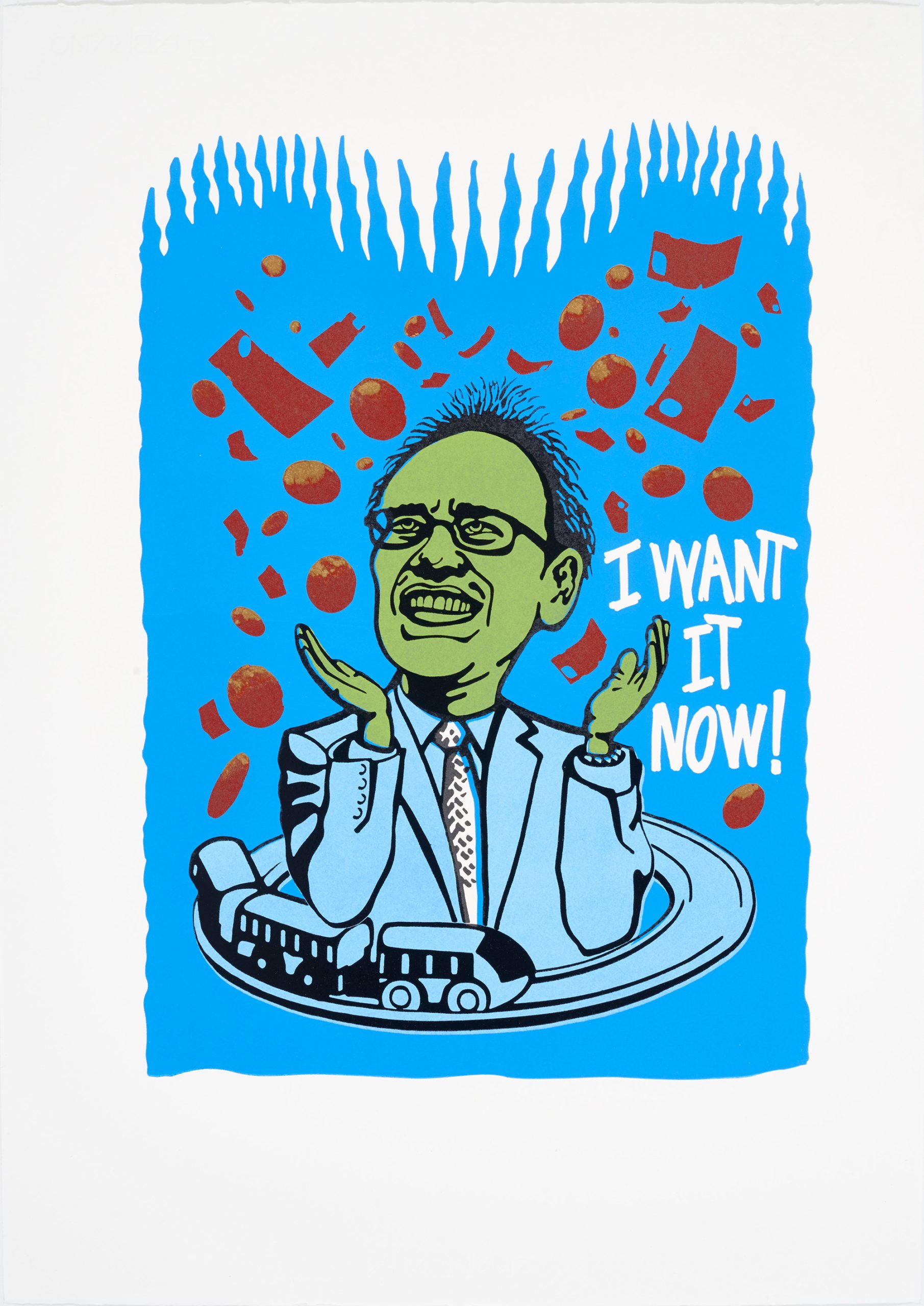
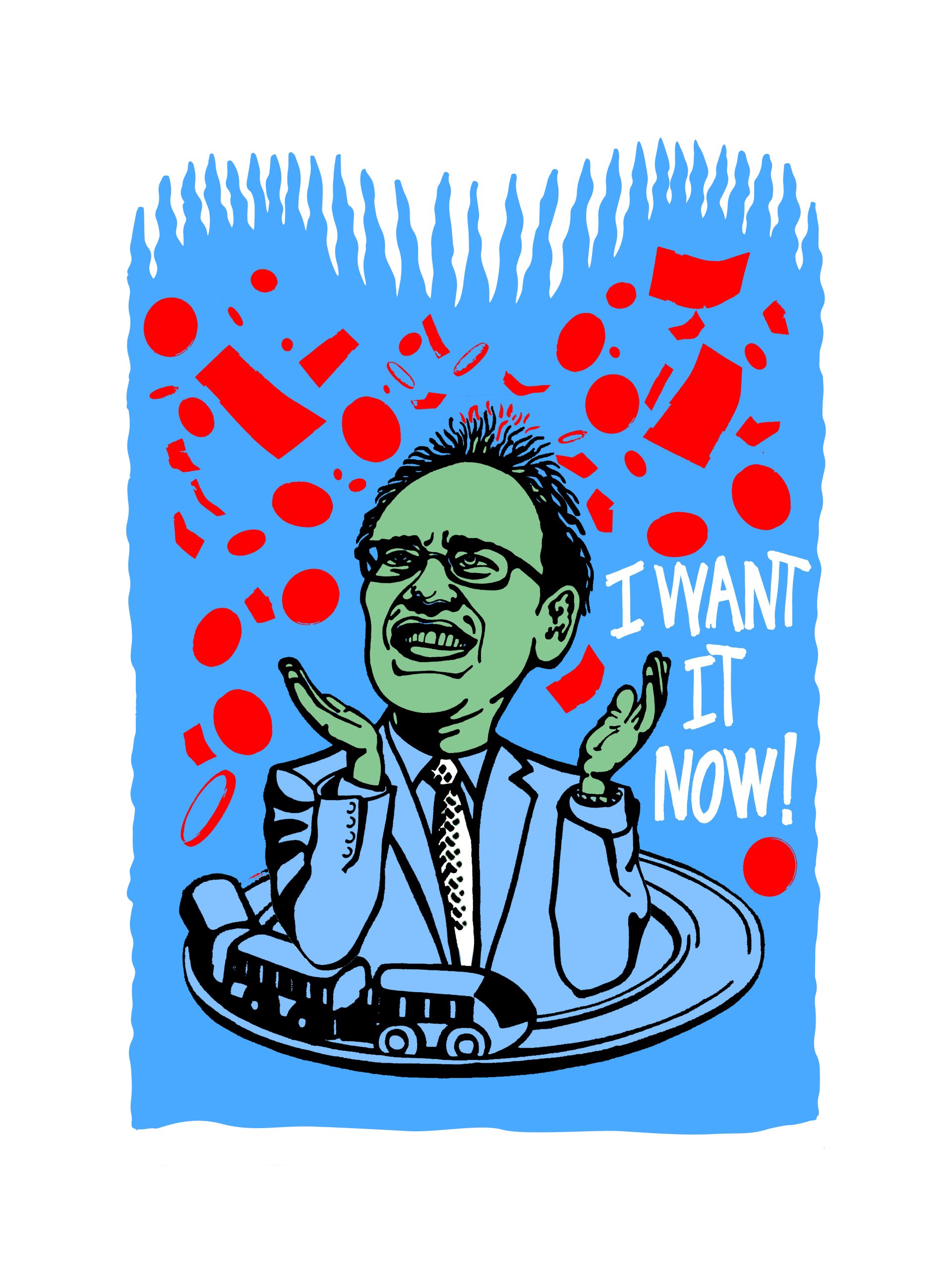
The print series sent to the IMPACT9 Exhibition focused on reporting from national and global media, to recontextualise words and images with a hybrid print production method that includes letterpress, computer generated vector images, and laser cut printing plates. The themes for the posters in the exhibition focussed on political figures of the time. One poster theme highlighted the apparent eagerness of former Prime Minister of New Zealand, John Key, in his support of the sending of troops to the Middle East (reported in The Guardian newspaper, 2015). Another poster critiqued the then mayor of Auckland, Len Brown, and his 2015 mayoral campaign platform to construct an underground metro service (reported in The New Zealand Herald newspaper).
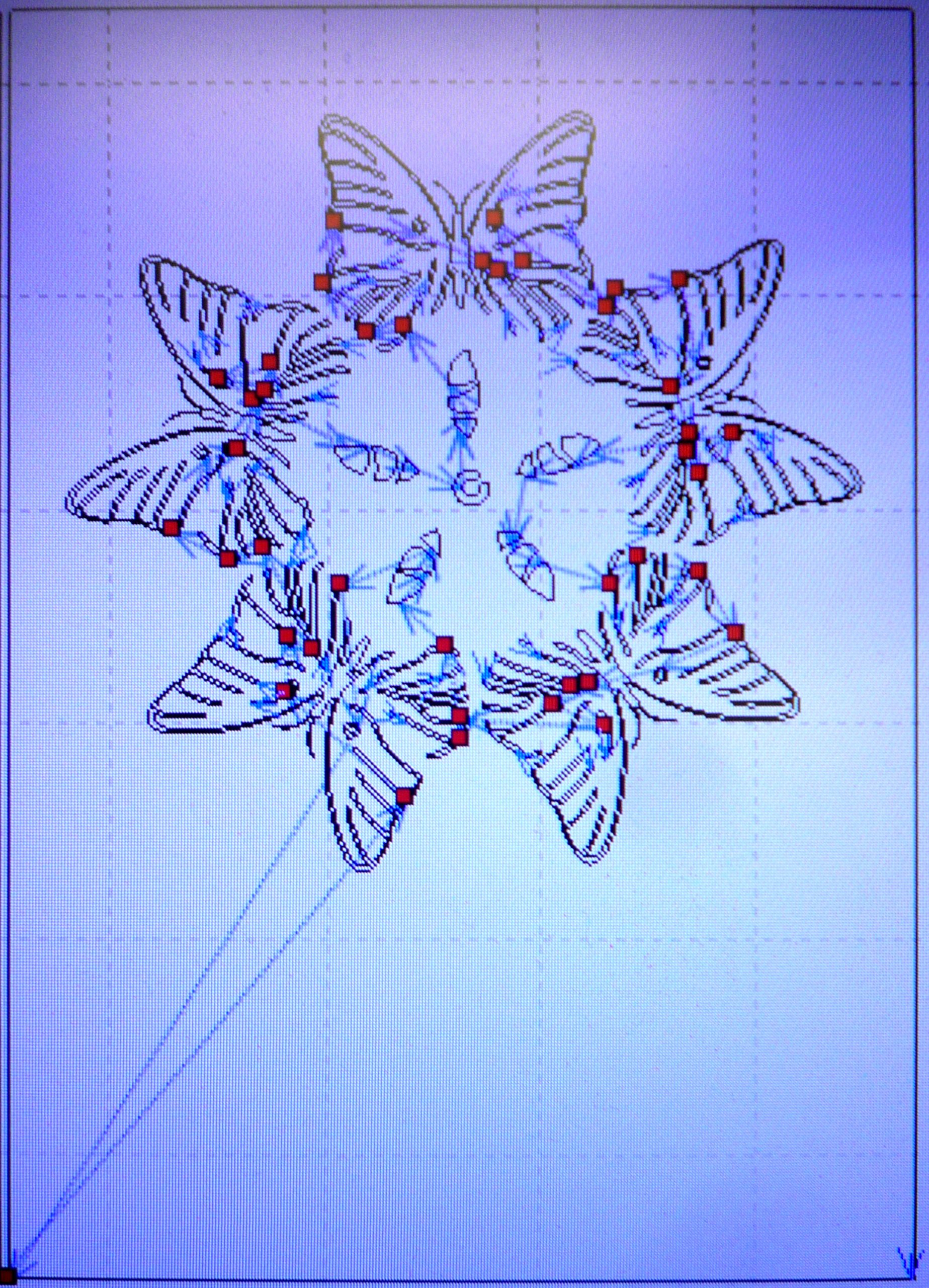
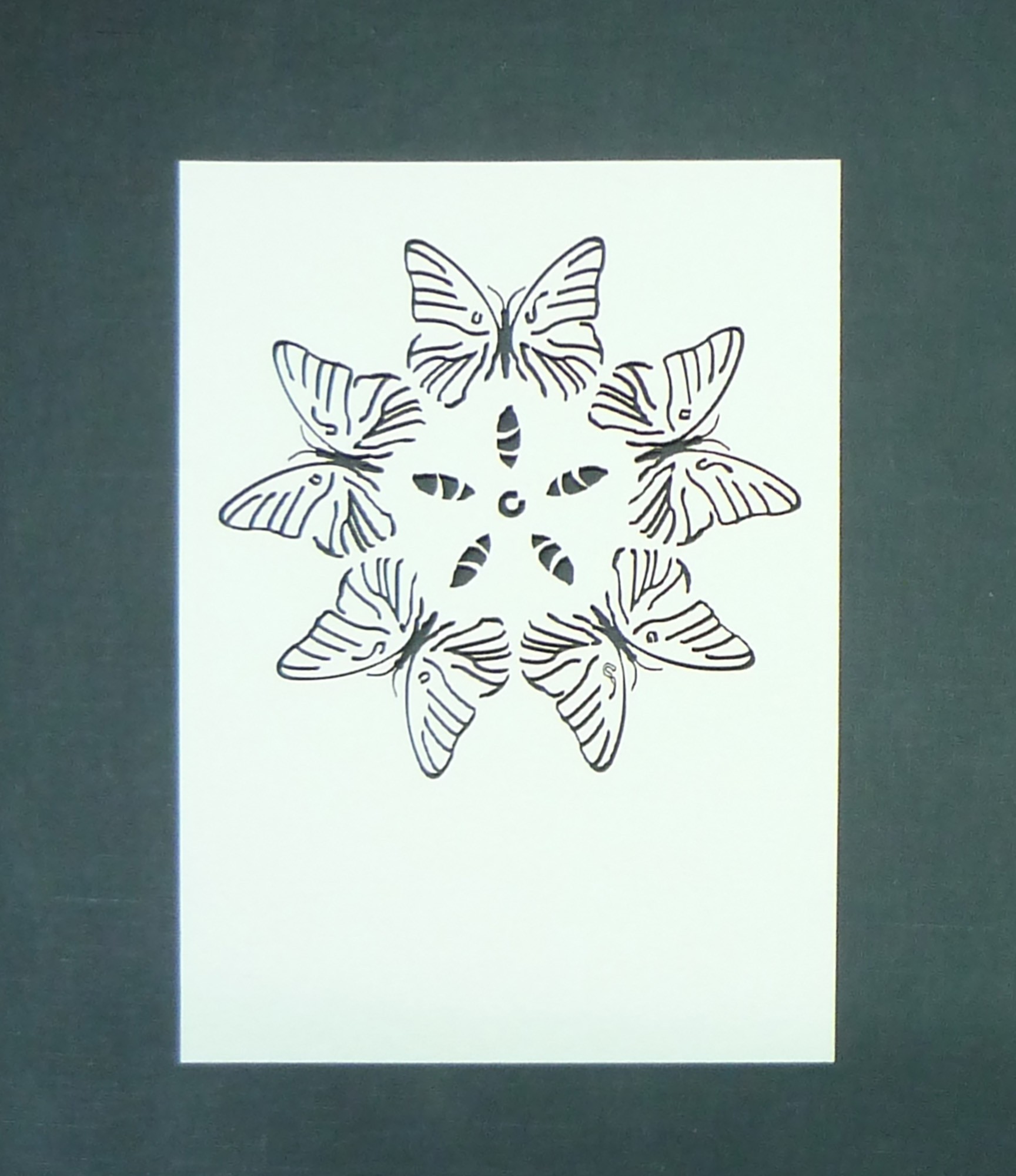
After the first test run, artwork was prepared in miniature to create one colour, multi-print laser cut sheets, this time using the etch function on the laser cutter to score the MDF sheets. The finished prints were trimmed to post card size for distribution at IMPACT9 Exhibition.
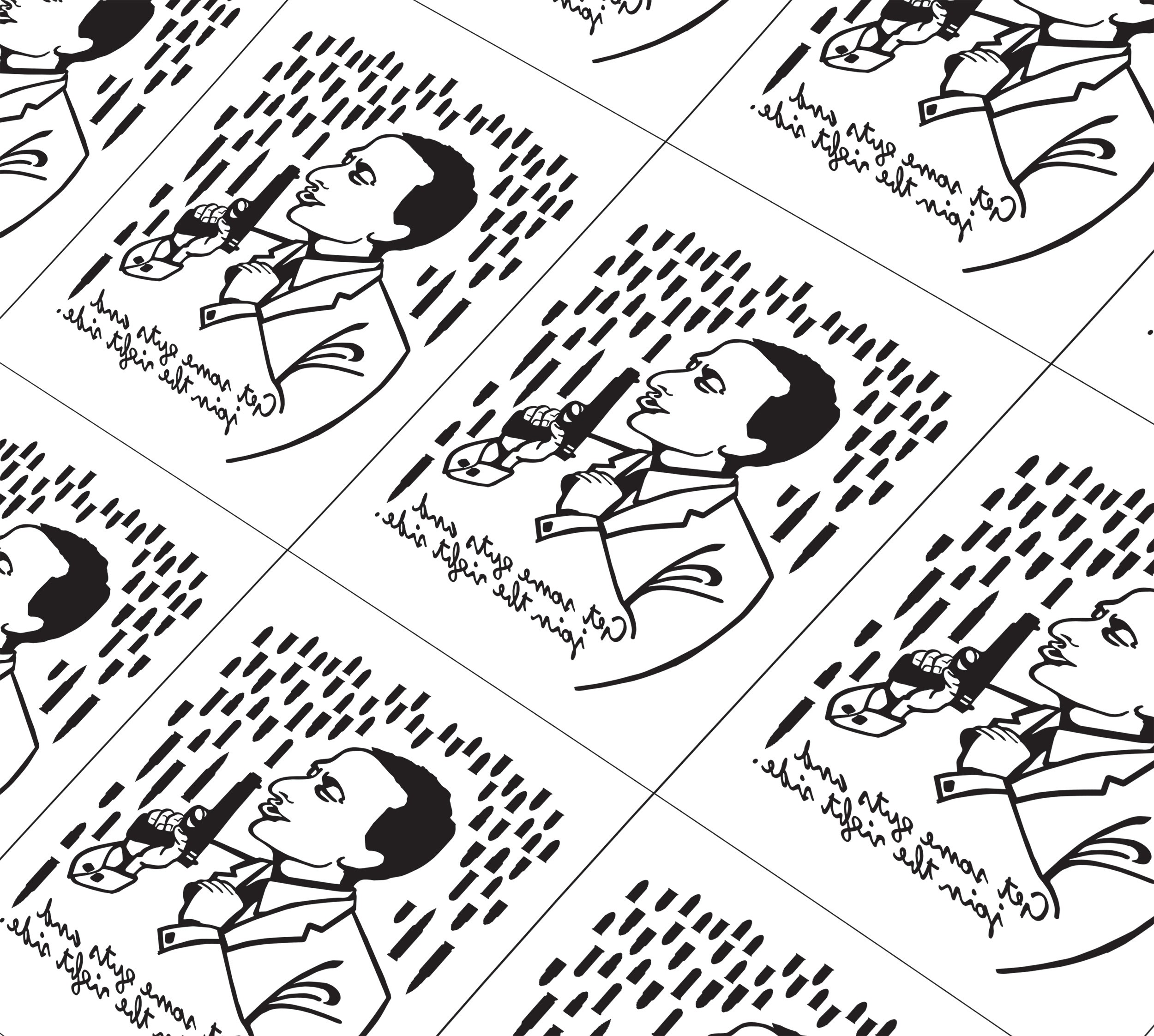
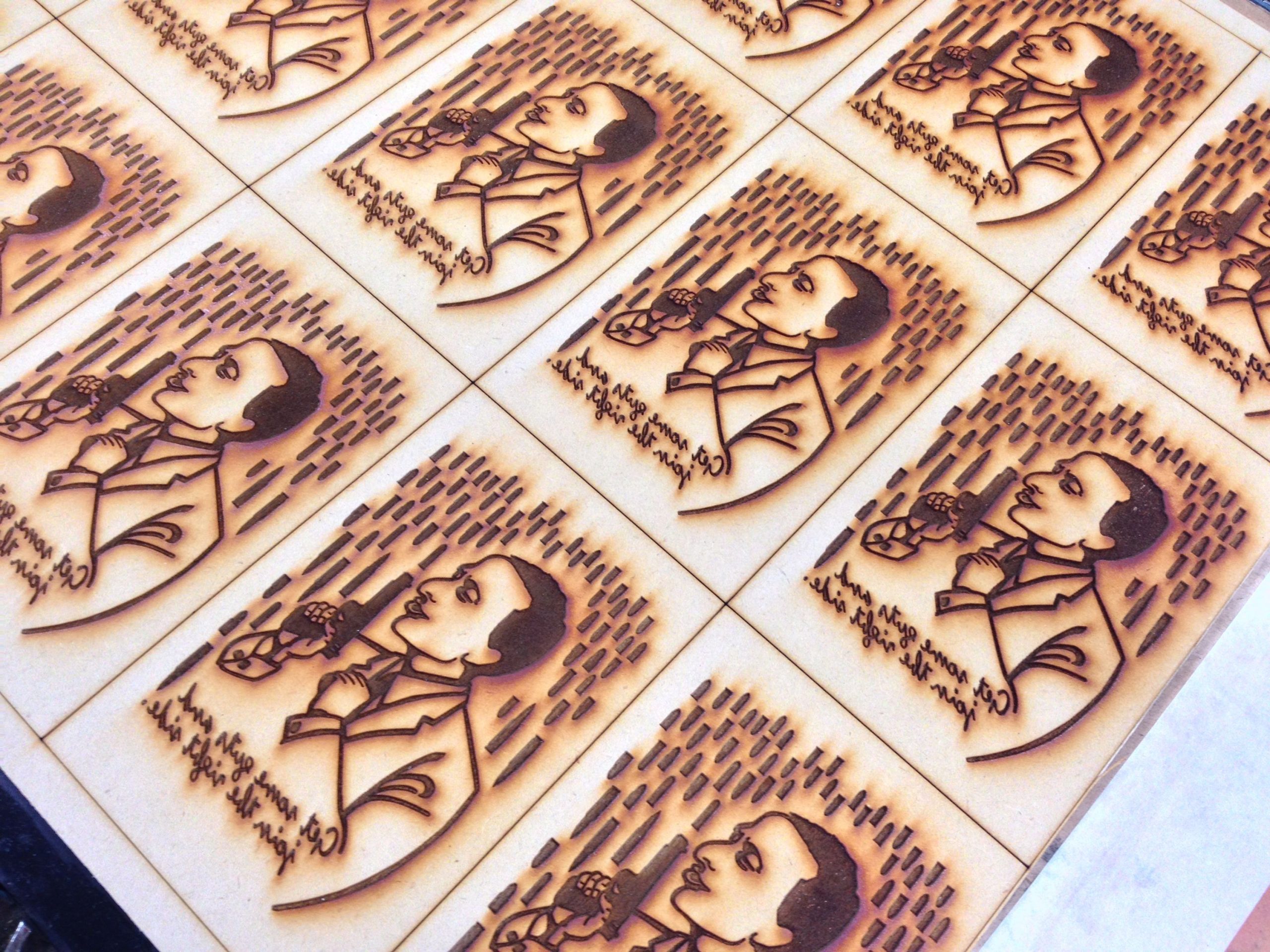
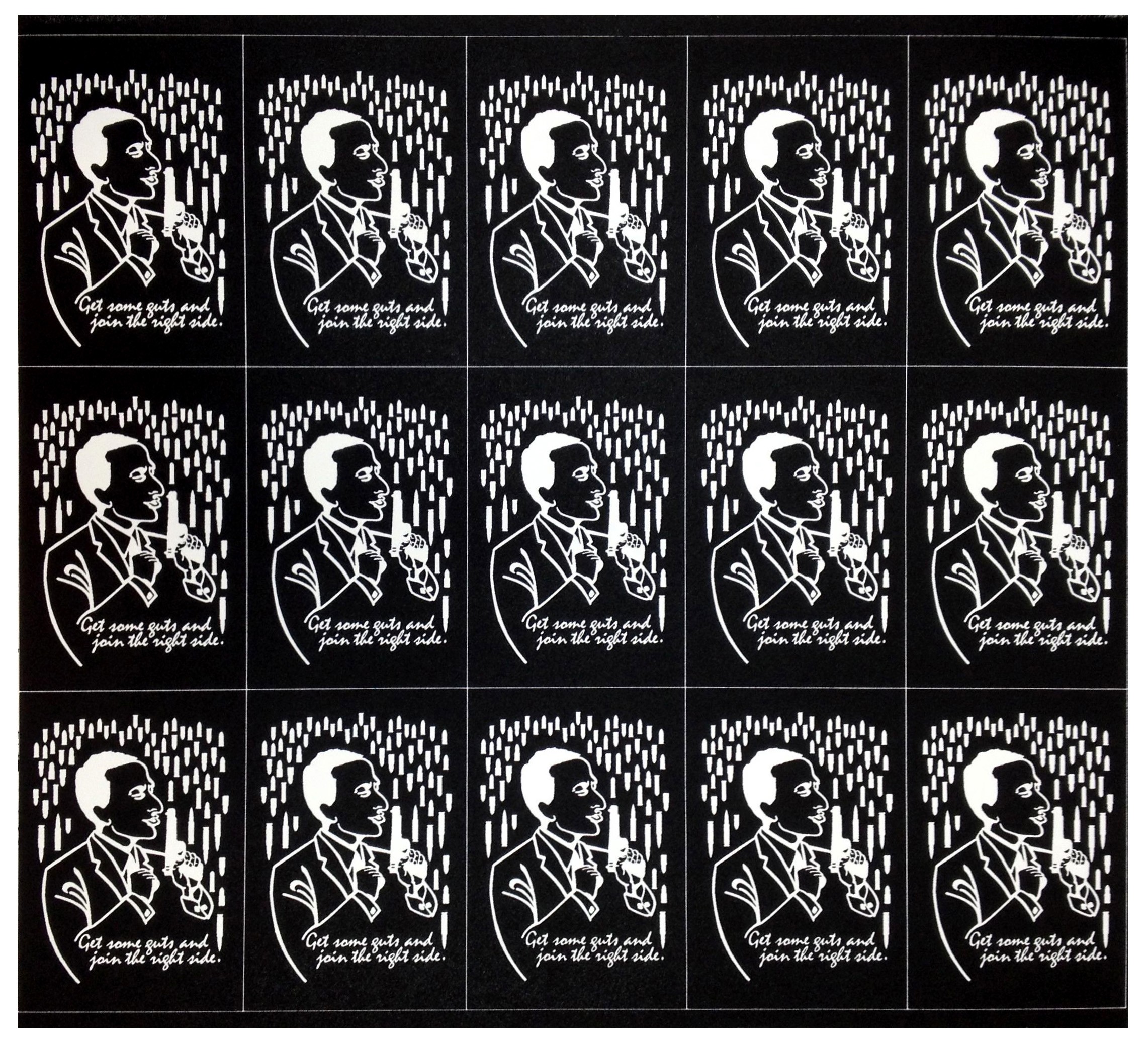
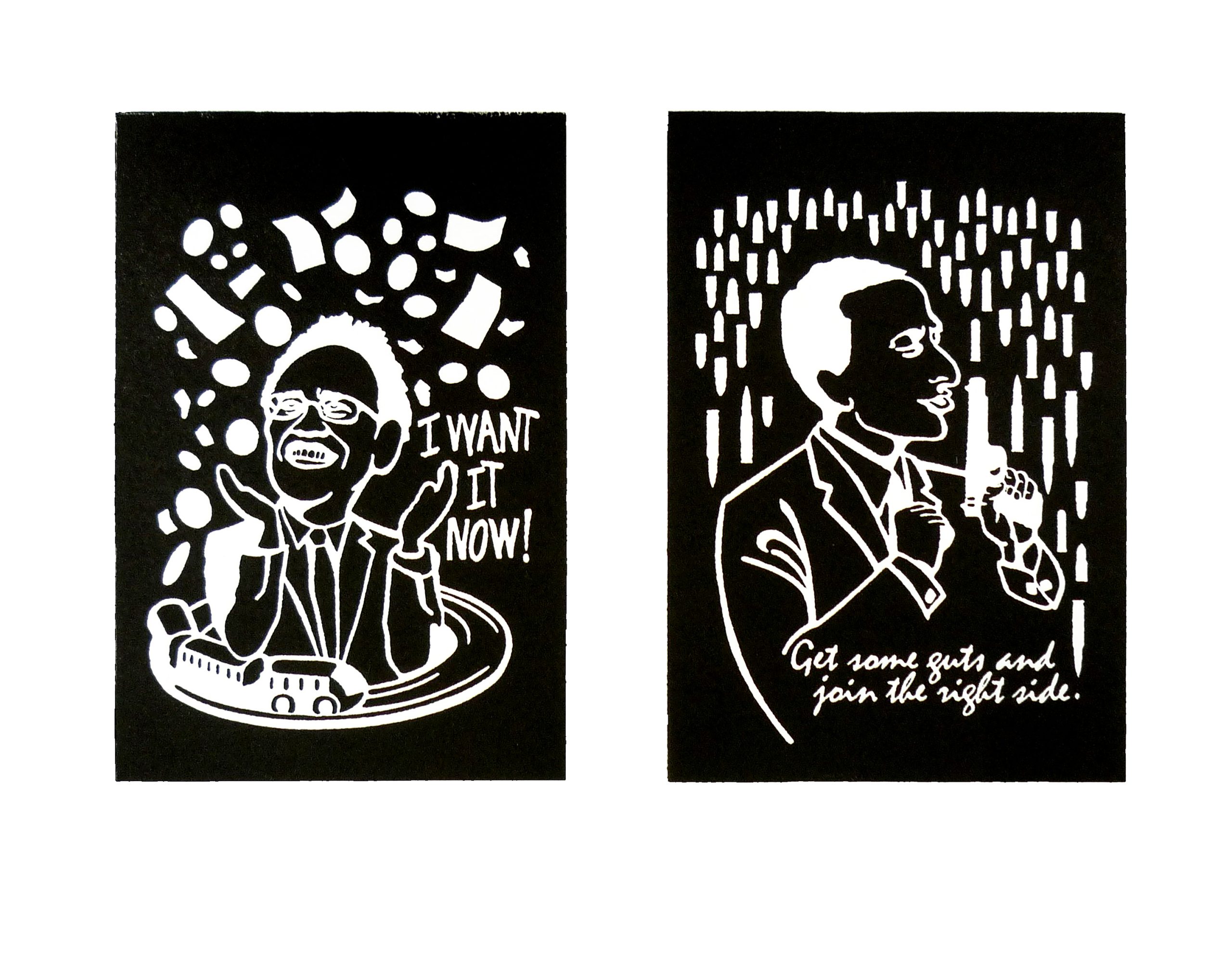
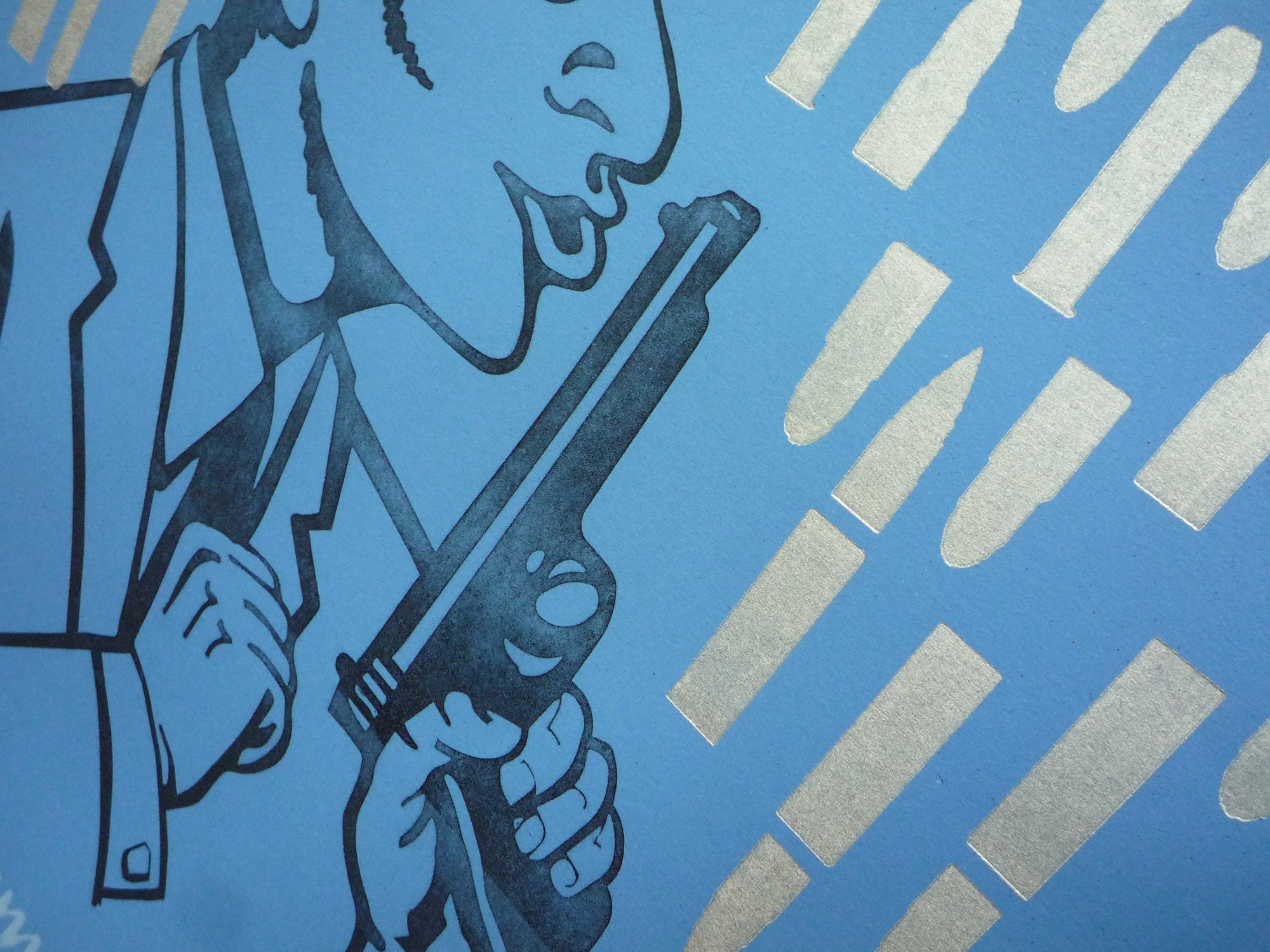
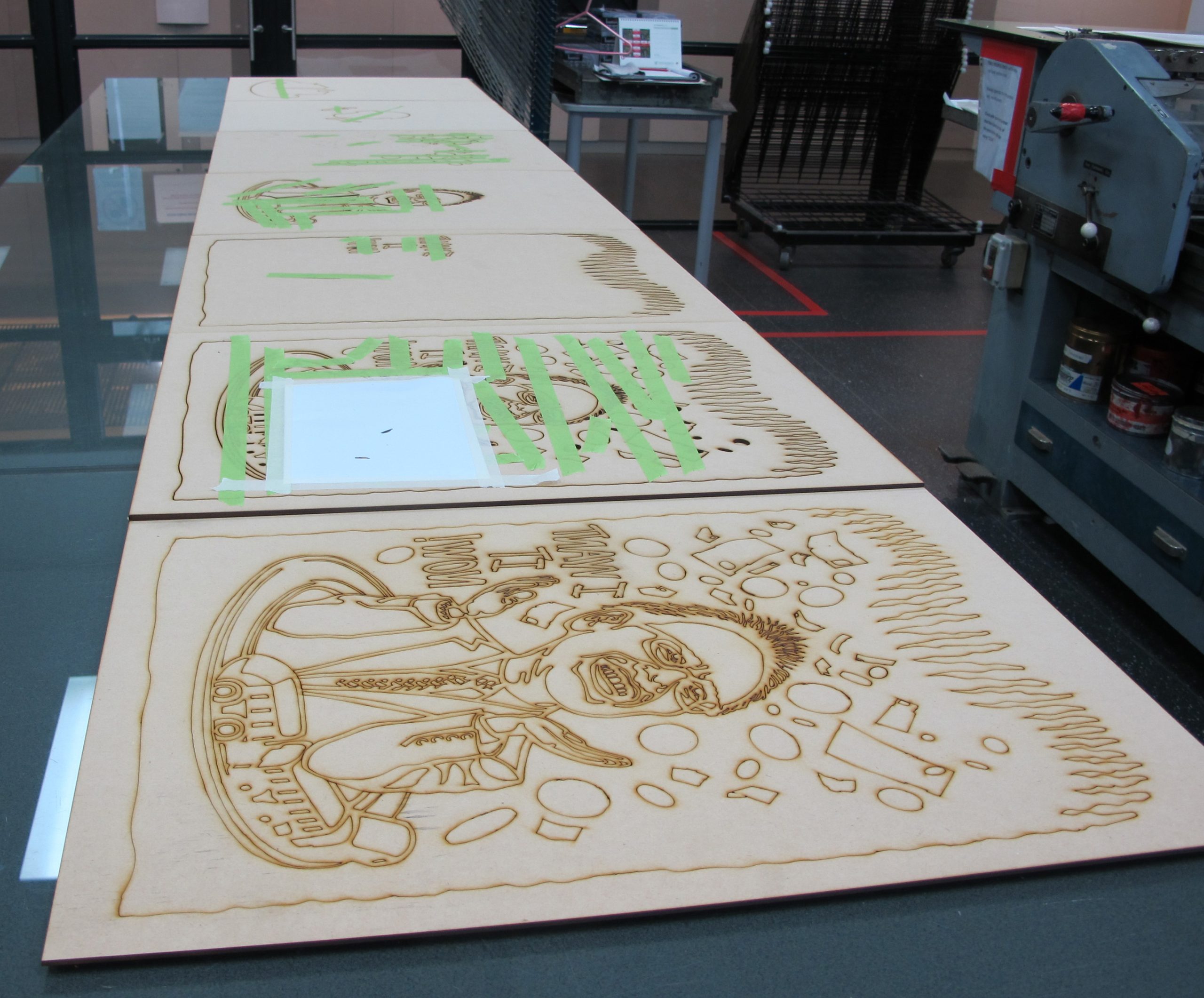
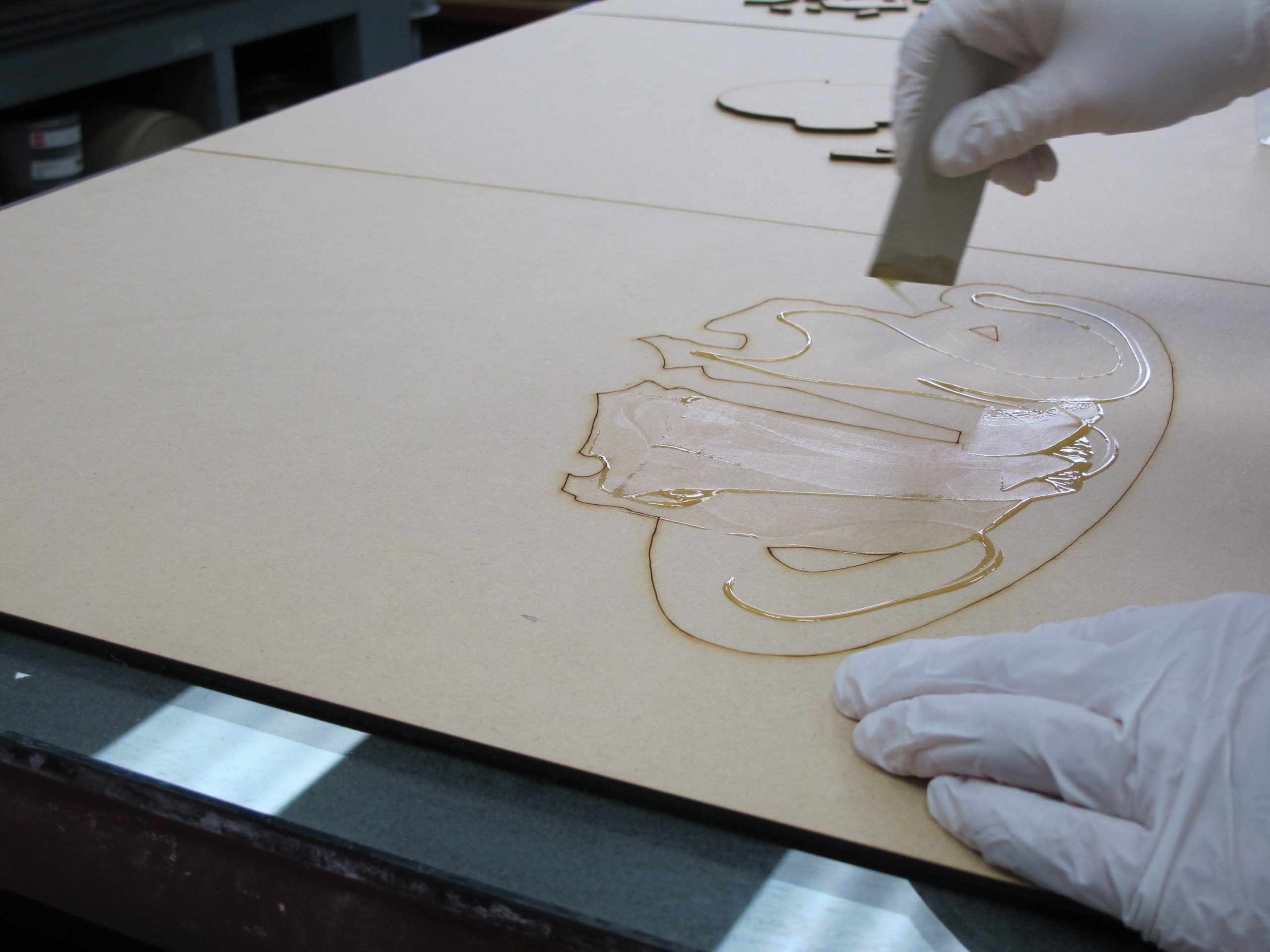
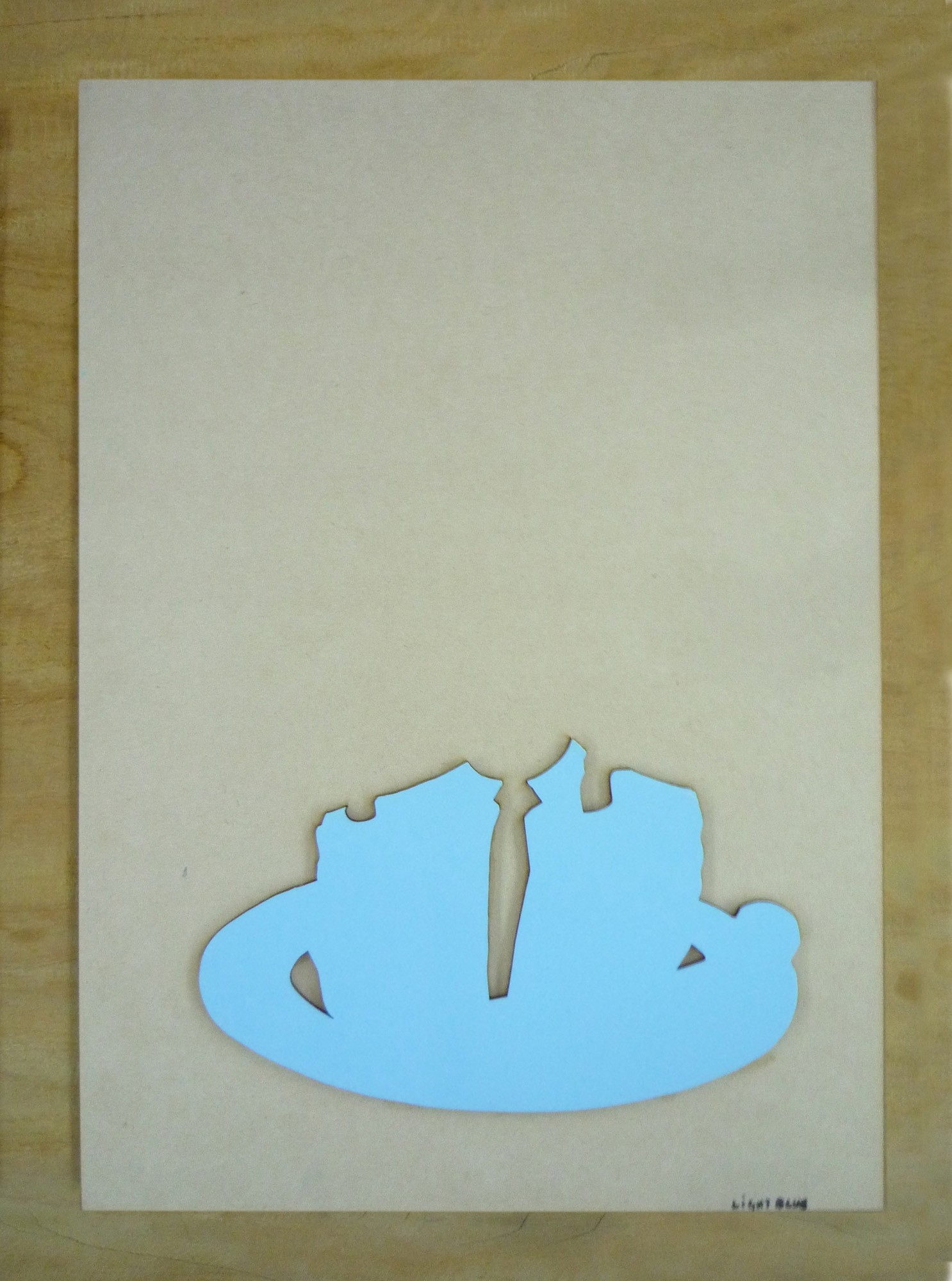
The Len Brown poster in the gallery below shows the single and six colour variations, the initial printing plates, glueing and final outcome. To make the printing plates, a base was prepared using 3mm MDF and then the image area was laser cut from another piece of 3mm MDF. The two MDF pieces were then glued onto each other to make a 6mm thick printing plate. All the posters were printed on the Korrex on 60% Cotton – printmaking 02 Fabriano 2205070 Rosapina 50x70cm 220g off white acid free paper.
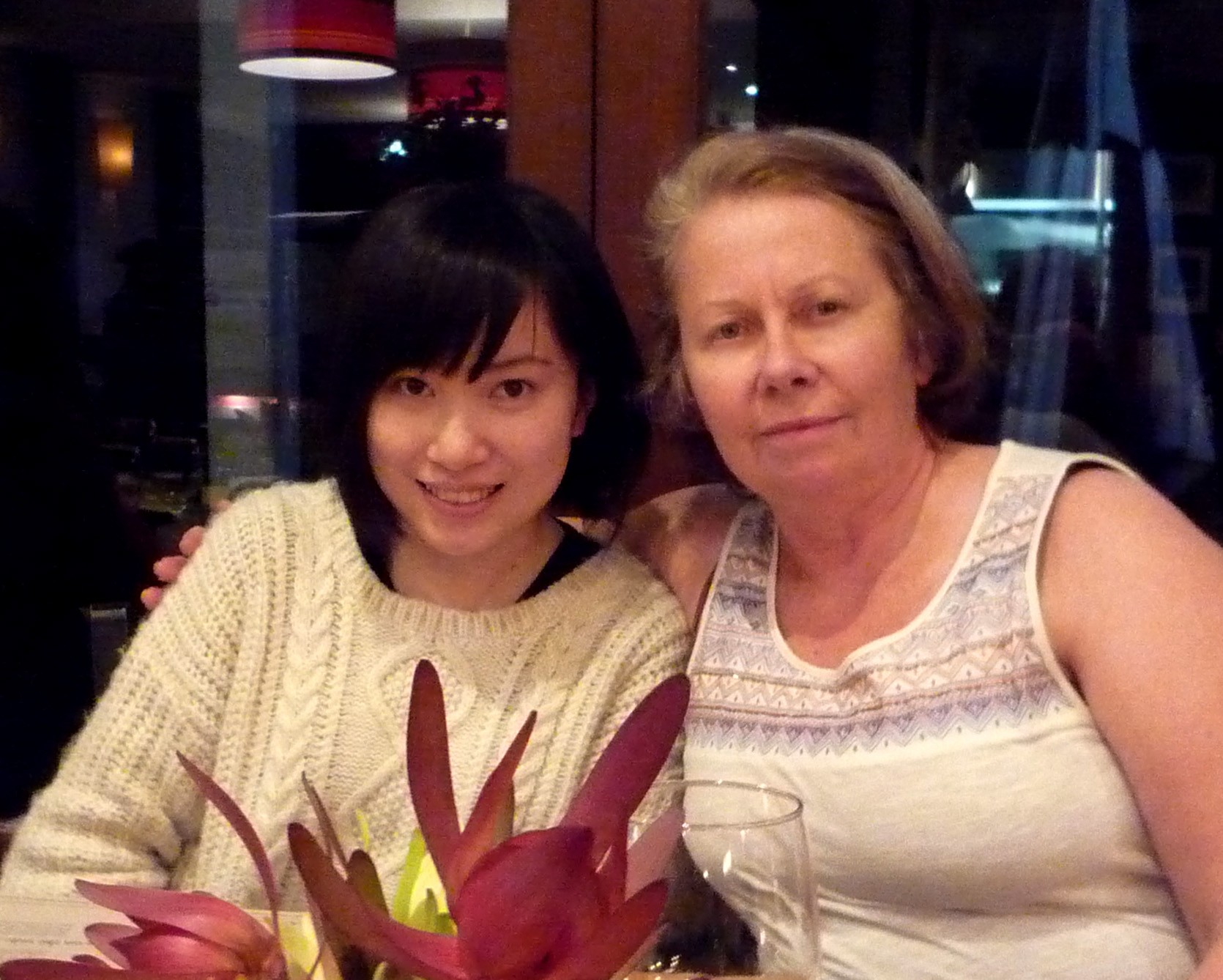
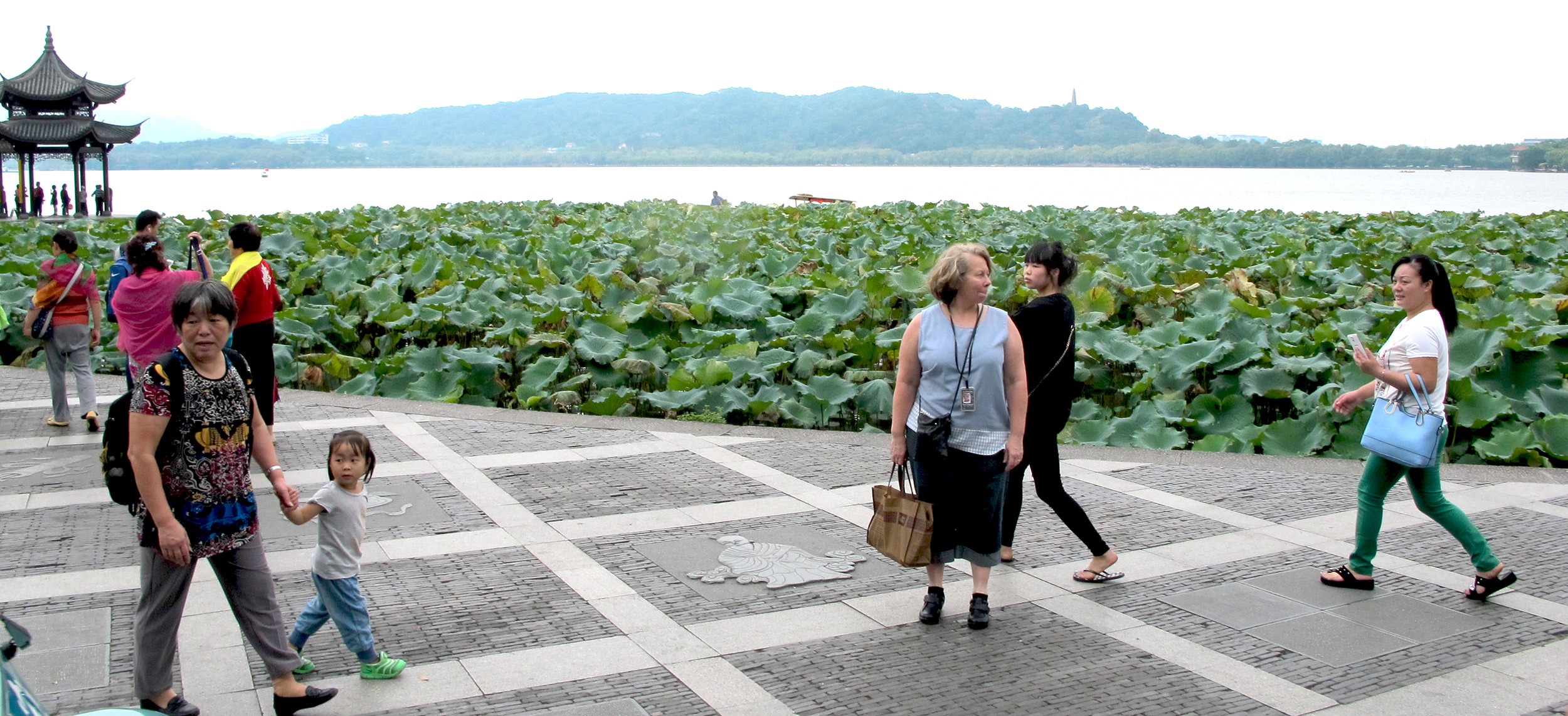
With the works created and accepted into the IMPACT9 Exhibition, it was time to travel from New Zealand to China. Getting offical clearance to attend the conference was an experience that took several trips to the Chinese consulate over a number of weeks. These were to get official papers and stamps for connecting flights, accomodation, and high speed train transfers from Shanghai to Hangzhou. I was fortunate to be in touch with an international post graduate student at the School of Art and Design at AUT. We met up and with her and her mother who happened to live and work in Hangzhou. Their warm welcome and generosity left me with a memorable visit to the garden city that included a trip over the West Lake to see temples and pavilions. The experience was very rich and I was introduced to the many delights of the culture, sites, and food.
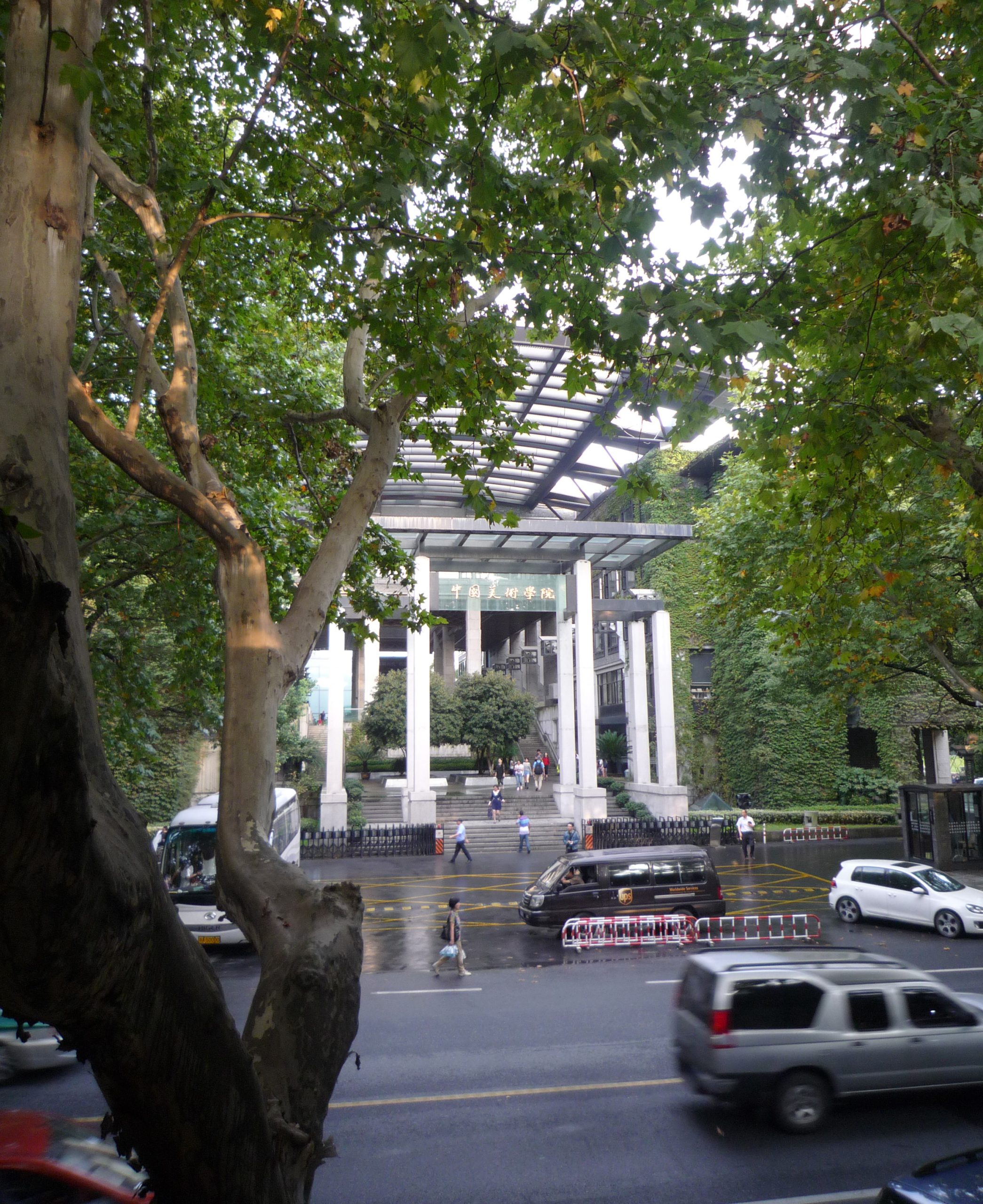
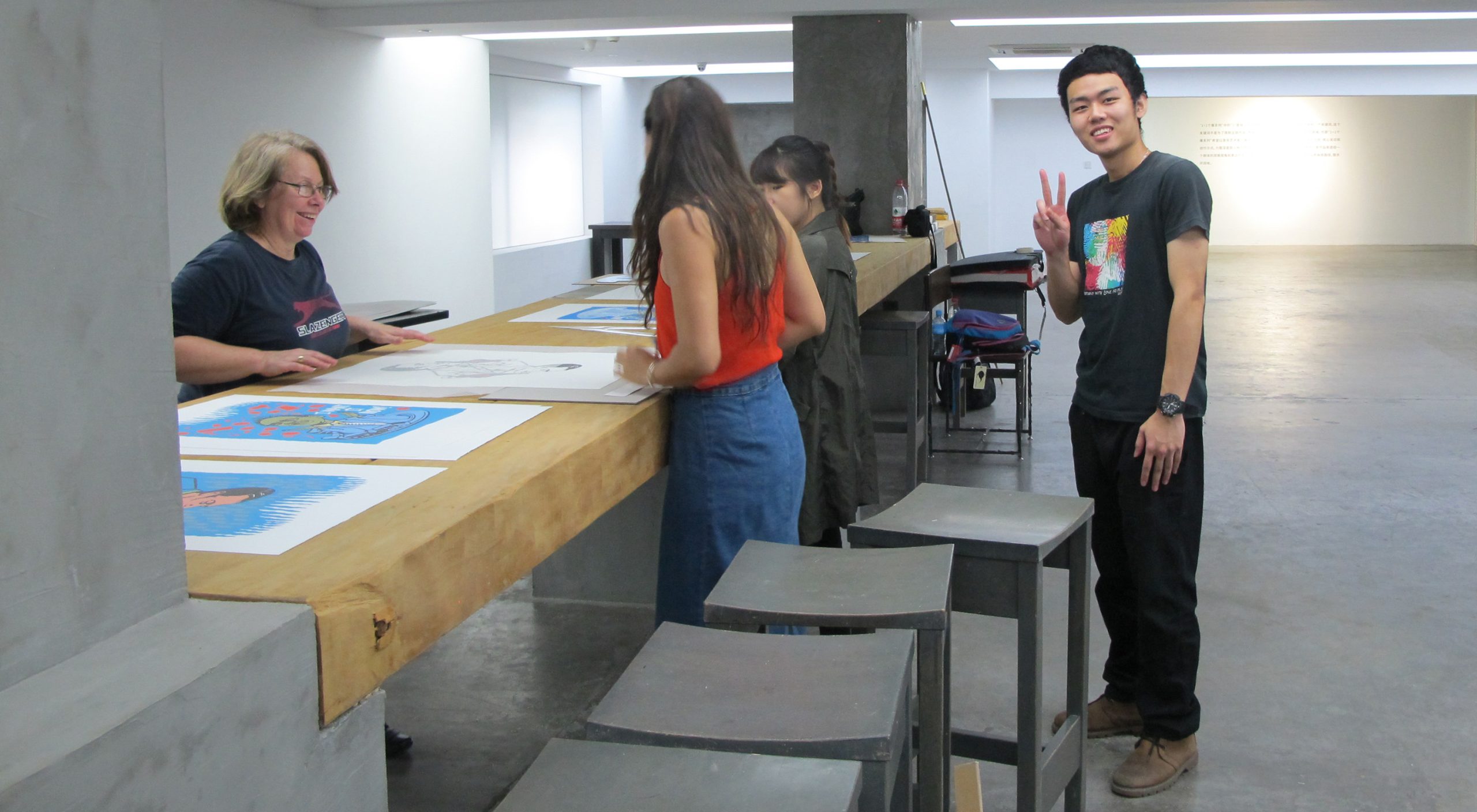
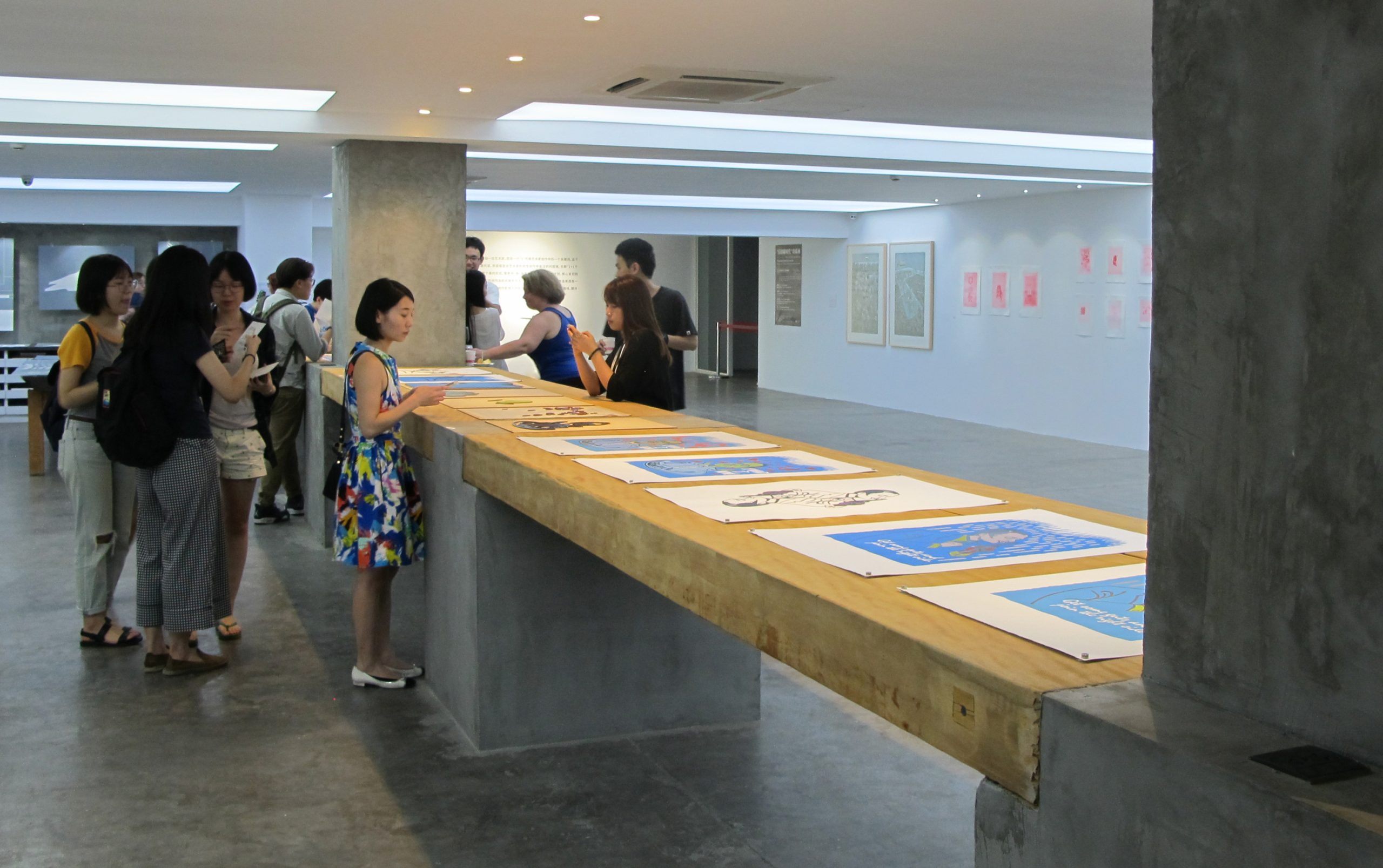
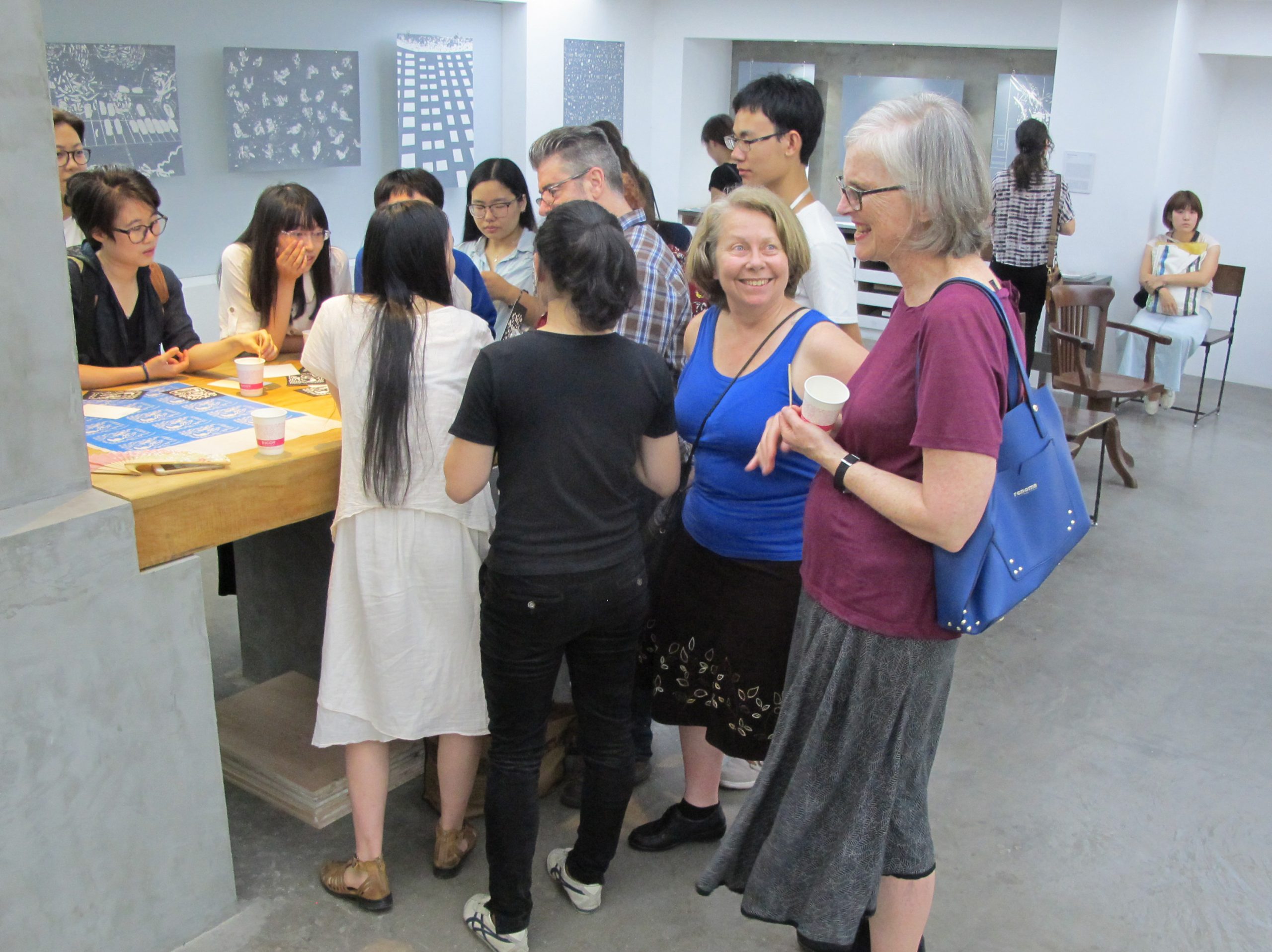
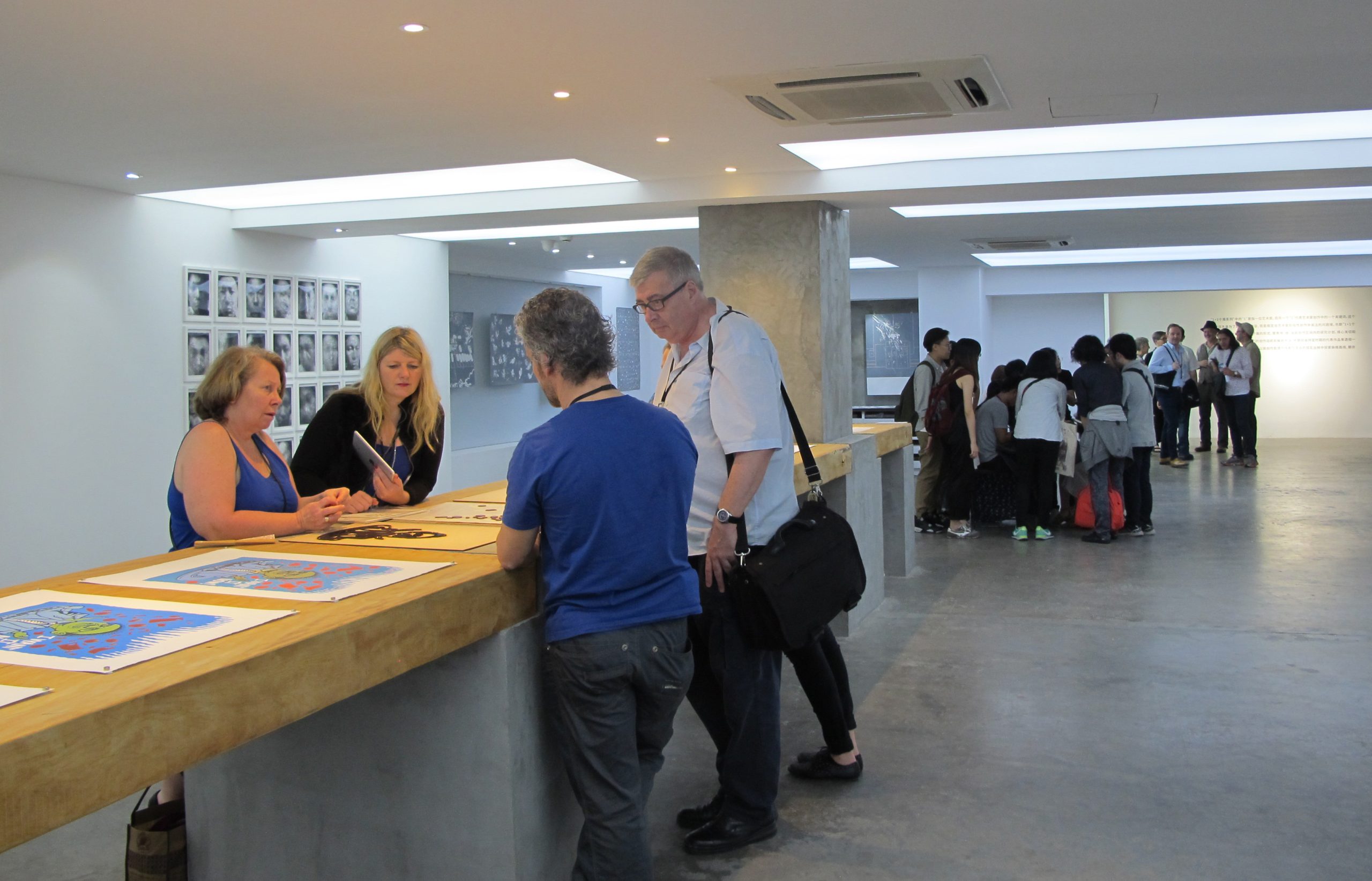
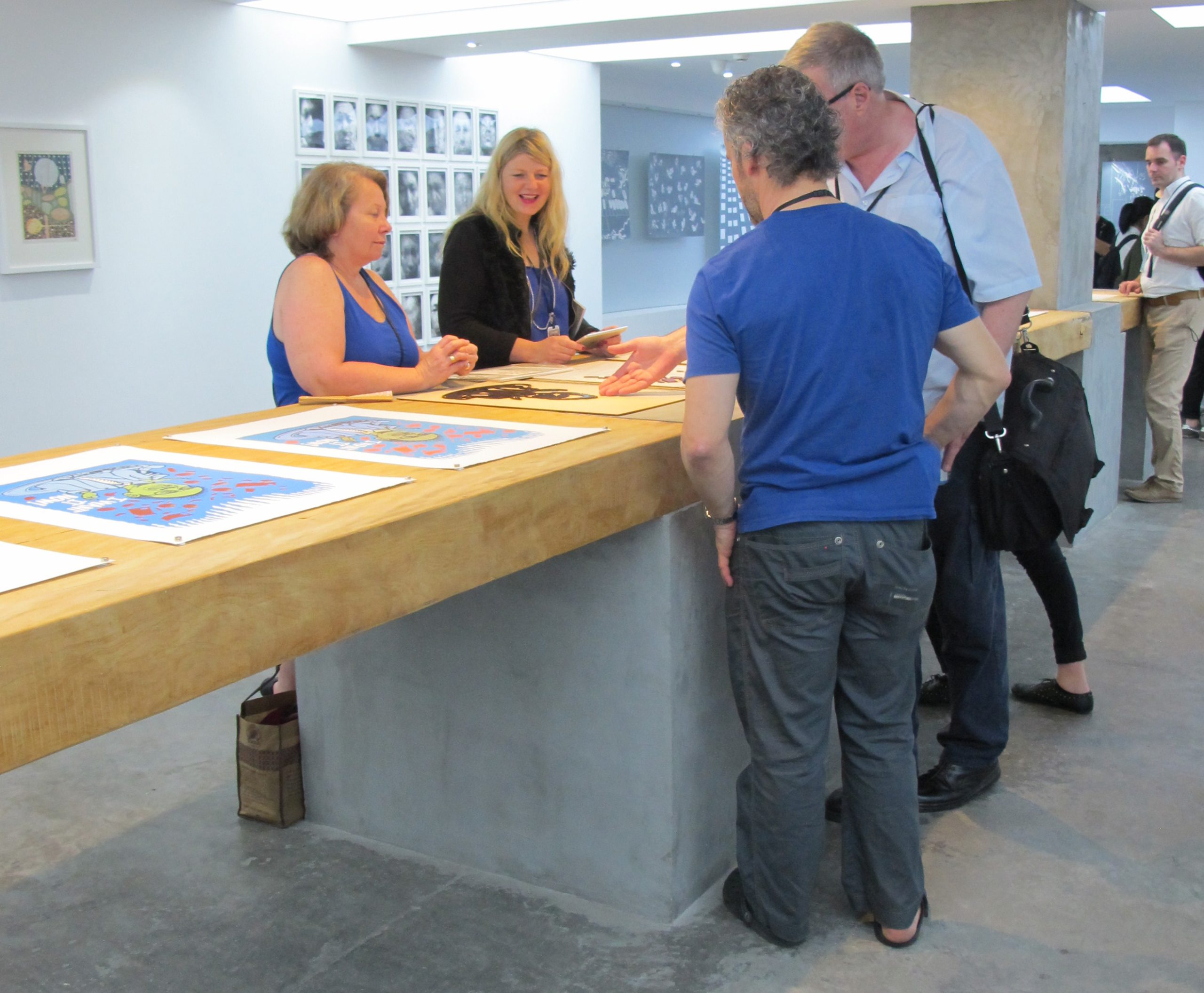
At the conference, the professors from the China Academy of Arts (CAA) assigned students to assist exhibitors in the establishment of their exhibition spaces. For us, this included a purpose built table in the Sanshang Art Gallery at 52-2 South Yan’an Road, Hangzhou. The Exhibition was held for a month, and the works were returned once the viewing dates were complete.