$23.00 GST incl.
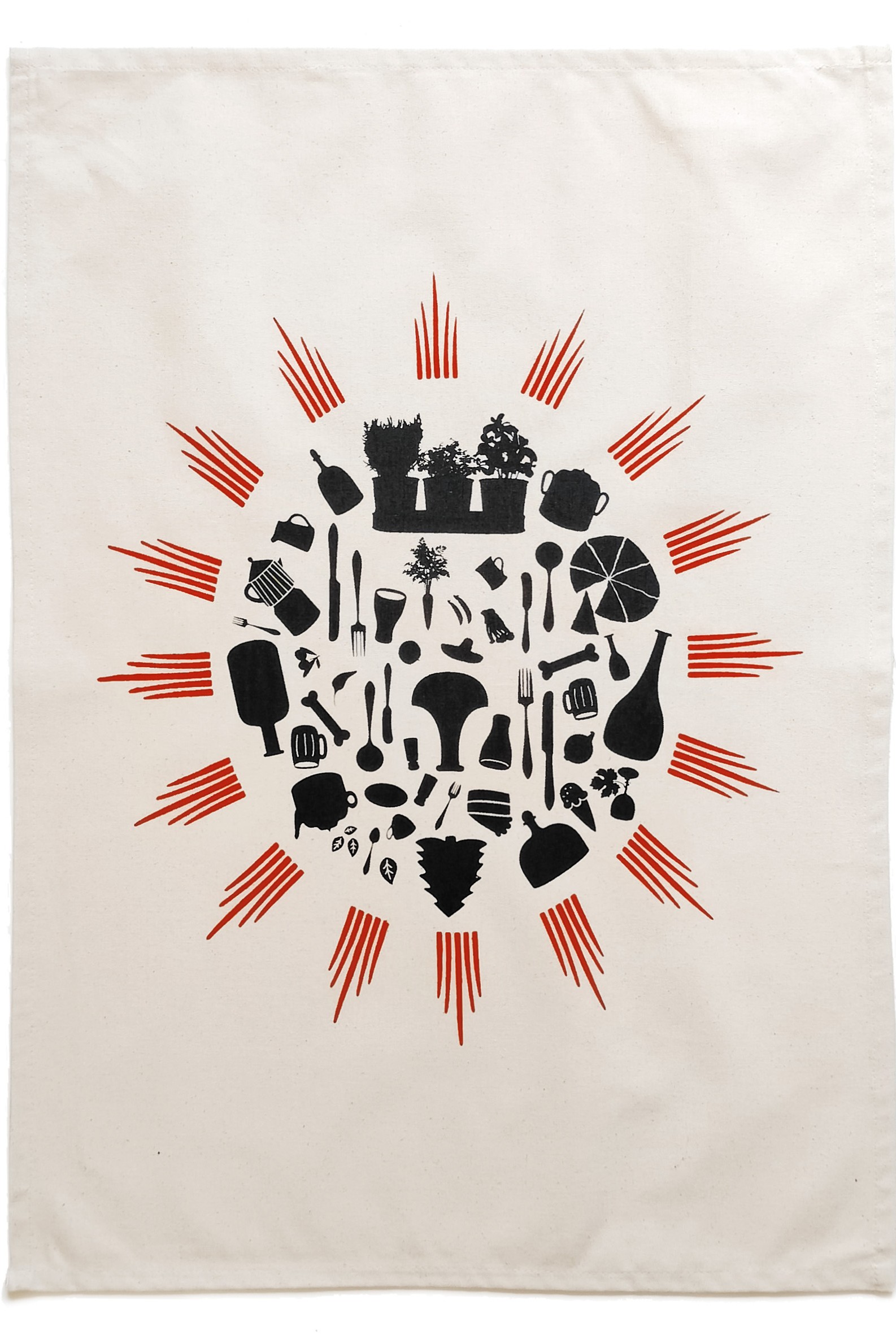
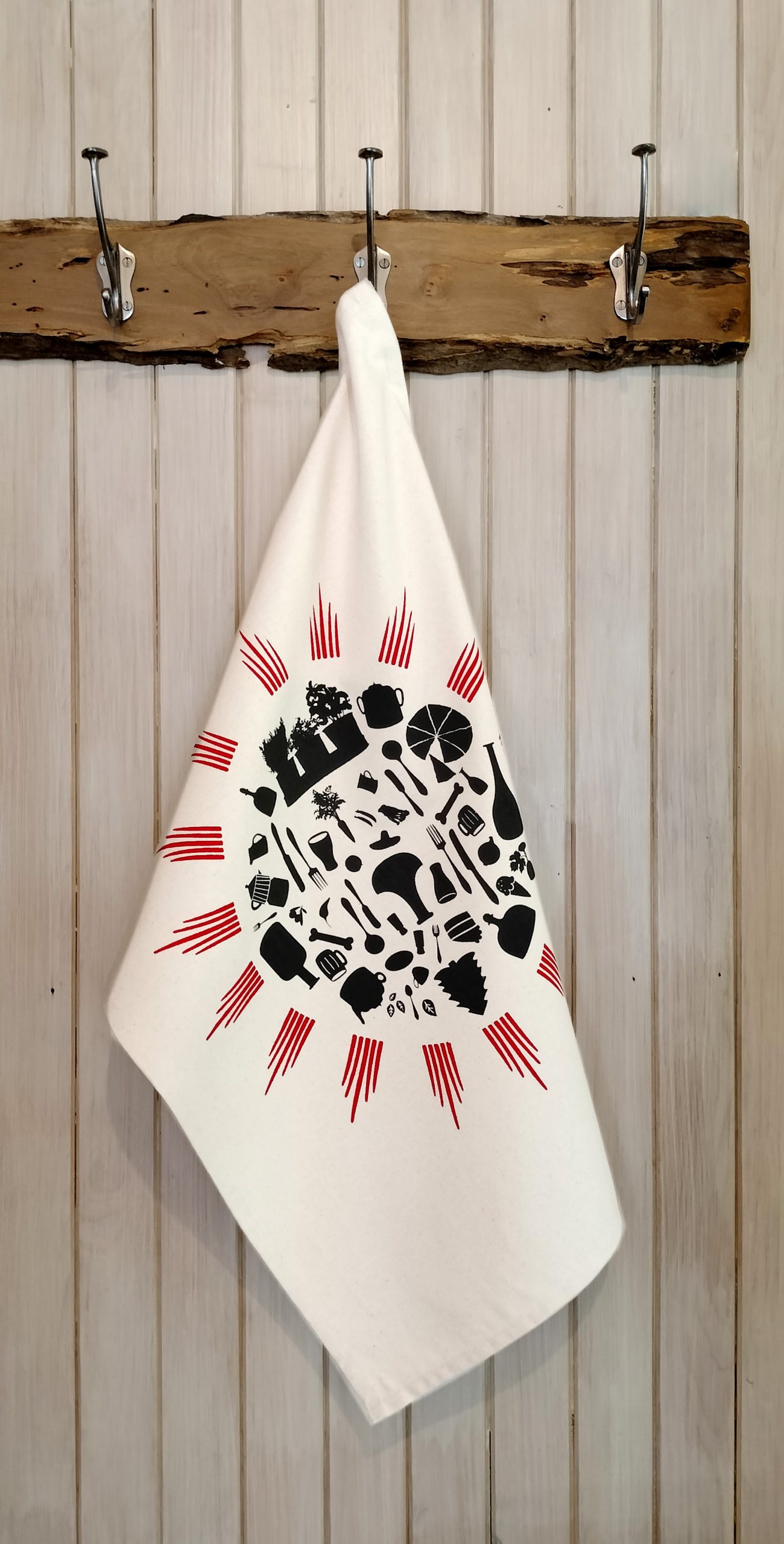
Kitchen Towel Kitchen Things isn’t your ordinary dishcloth. It’s a celebration of all kitchen essentials, a snapshot of the heart of your home. Those playful silhouettes of pots, pans, and utensils remind us of the joy of cooking and the warmth of shared meals. But of course, a kitchen towel isn’t just for show. It’s a workhorse, ready to tackle spills, dry dishes, and even protect your hands from hot pans. It’s like a trusted friend, always there to lend a helping hand.
In stock (can be backordered)
Kitchen Towel Kitchen Things isn’t your ordinary dishcloth. Look at it! It’s a celebration of all kitchen essentials, a snapshot of the heart of your home. Those playful silhouettes of pots, pans, and utensils remind us of the joy of cooking and the warmth of shared meals.
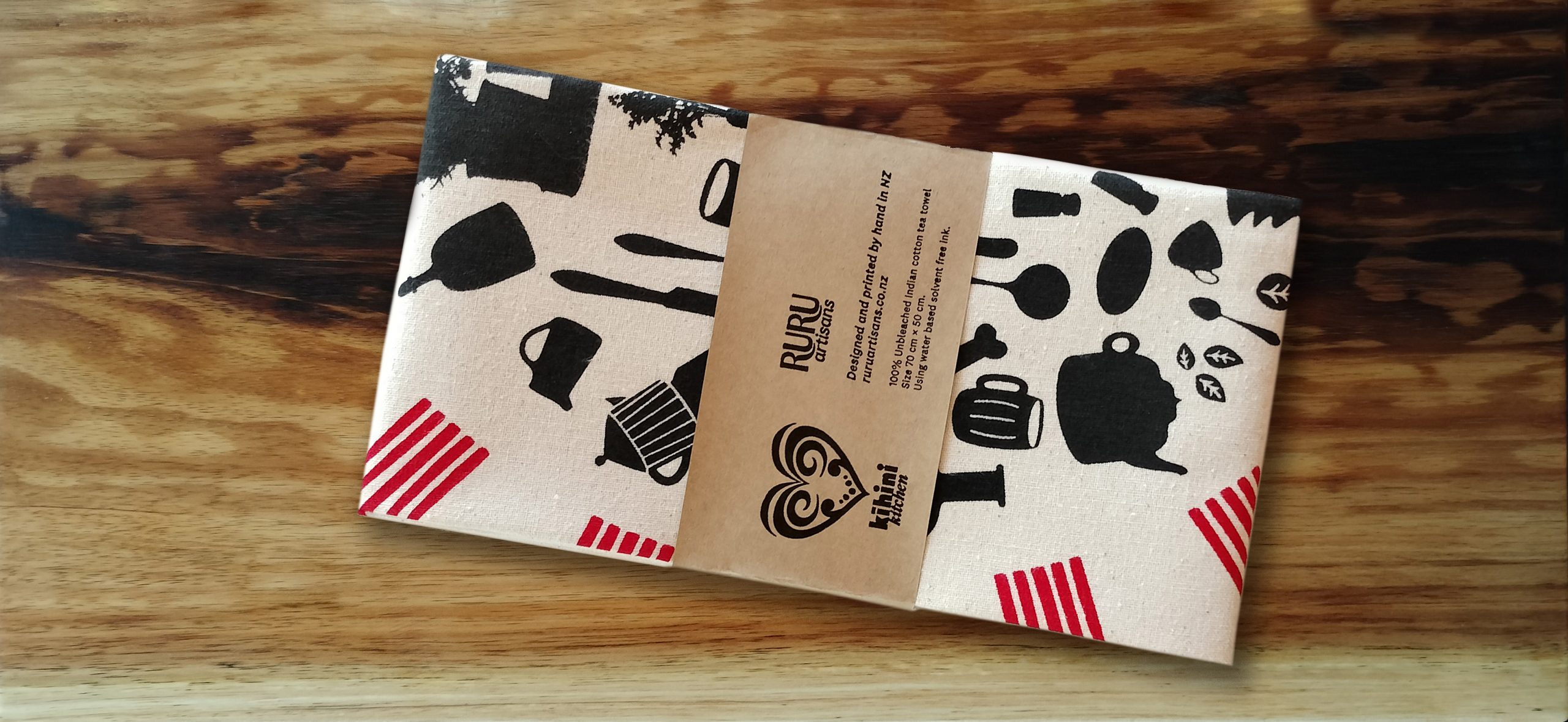
The primary attraction of Kitchen Towel Kitchen Things lies in their unique aesthetic soul. Unlike mass-produced linens printed by high-speed digital rollers, hand-screen printing is a rhythmic, labor-intensive craft. Artisans manually align screens and apply pressure to push pigment through the mesh, a process that ensures no two towels are identical.
What you get from hand screen printing:
Depth of Colour: The ink sits richly on the fibres, often resulting in a vibrancy that synthetic processes can’t replicate.
Artisanal Character: Minor variations in registration or ink weight are not flaws, they are the fingerprints of the maker, giving each piece an organic, lived-in charm.
India has been the world’s authority on cotton for millennia. The Kitchen Towel Kitchen Things is typically crafted from long-staple cotton, prized for its exceptional durability and high absorbency.
In a kitchen environment, performance is non-negotiable. Indian cotton is naturally breathable and becomes softer with every wash. Because the fibers are robust, these towels resist the pilling and thinning common in cheaper alternatives. They aren’t just decorative; they are “workhorse” textiles designed to dry heavy stoneware and delicate glassware alike without leaving lint behind.
In today’s market, the “how” is just as important as the “what.” Ethically sourced kitchen towels provide a guilt-free luxury that resonates with the conscious consumer.
When you choose ethically sourced Indian textiles, you are supporting:
Fair Wages: Ensuring that the master printers and weavers receive a living wage that reflects their high level of skill.
Safe Working Conditions: Moving away from the “fast fashion” factory model toward small-scale workshops that prioritize artisan well-being.
Preservation of Heritage: Many of these techniques are passed down through generations. Ethical sourcing provides the financial stability needed to keep these traditional art forms alive in a digital age.
Finally, there is the attraction of longevity. We live in a disposable culture, but a hand-printed Indian cotton towel is built to last for years. By investing in high-quality, ethically made goods, you reduce household waste. Furthermore, many ethical producers use eco-friendly, water-based inks and traditional sun-drying methods, significantly lowering the carbon footprint of your kitchen decor.
| Weight | 0.474 kg |
|---|---|
| Dimensions | 230 × 165 × 25 mm |
| Material | 100% Indian Cotton |
| Colour way | Black and Red |
| Height (mm) | 700 |
| Width (mm) | 500 |
| Please Note | Due to being hand crafted, the tea towel series may have slight variations. |


We use cookies to improve your experience on our site. By using our site, you consent to cookies.
Websites store cookies to enhance functionality and personalise your experience. You can manage your preferences, but blocking some cookies may impact site performance and services.
Essential cookies enable basic functions and are necessary for the proper function of the website.
These cookies are needed for adding comments on this website.
You can find more information in our Privacy Policy.